
Introduction
The fighting game genre is about to get a major shake-up, and the source is Riot Games—the studio behind League of Legends and VALORANT. Their newest project, now officially called 2XKO (previously known as "Project L"), has gamers and esports fans buzzing worldwide. The hype is real: Riot isn’t just promising another beat-'em-up. They’re merging iconic League of Legends characters with cutting-edge tag-team mechanics, aiming to create a title that could truly redefine its genre.
I find this fascinating because Riot has a proven track record of not only launching successful games but influencing entire communities and competitive scenes with their approach. In a fighting game space filled with legacy franchises, their fresh angle and willingness to engage with both casuals and hardcore players stand out, making 2XKO one of the most significant upcoming releases in gaming.
Key Takeaways
- 2XKO is Riot Games' highly anticipated 2v2 fighting game set in the League of Legends universe.
- The game will be free-to-play, featuring tag-team mechanics and an emphasis on both casual and competitive play.
- 2XKO is set for release in 2025 on PlayStation 5, Xbox Series X|S, and PC with a full crossplay experience.
- The game has already sparked significant interest from both fighting game veterans and League of Legends fans alike.
- Riot is actively involving the community through alpha playtests and updates, hoping to build an esports scene from day one.
What's Happening
2XKO, previously codenamed Project L, was officially unveiled in 2024 with a new name and a more detailed look at its gameplay and development philosophy. This marks the first time Riot Games has ventured into the fighting game arena, leveraging their rich League of Legends IP and competitive esports expertise.
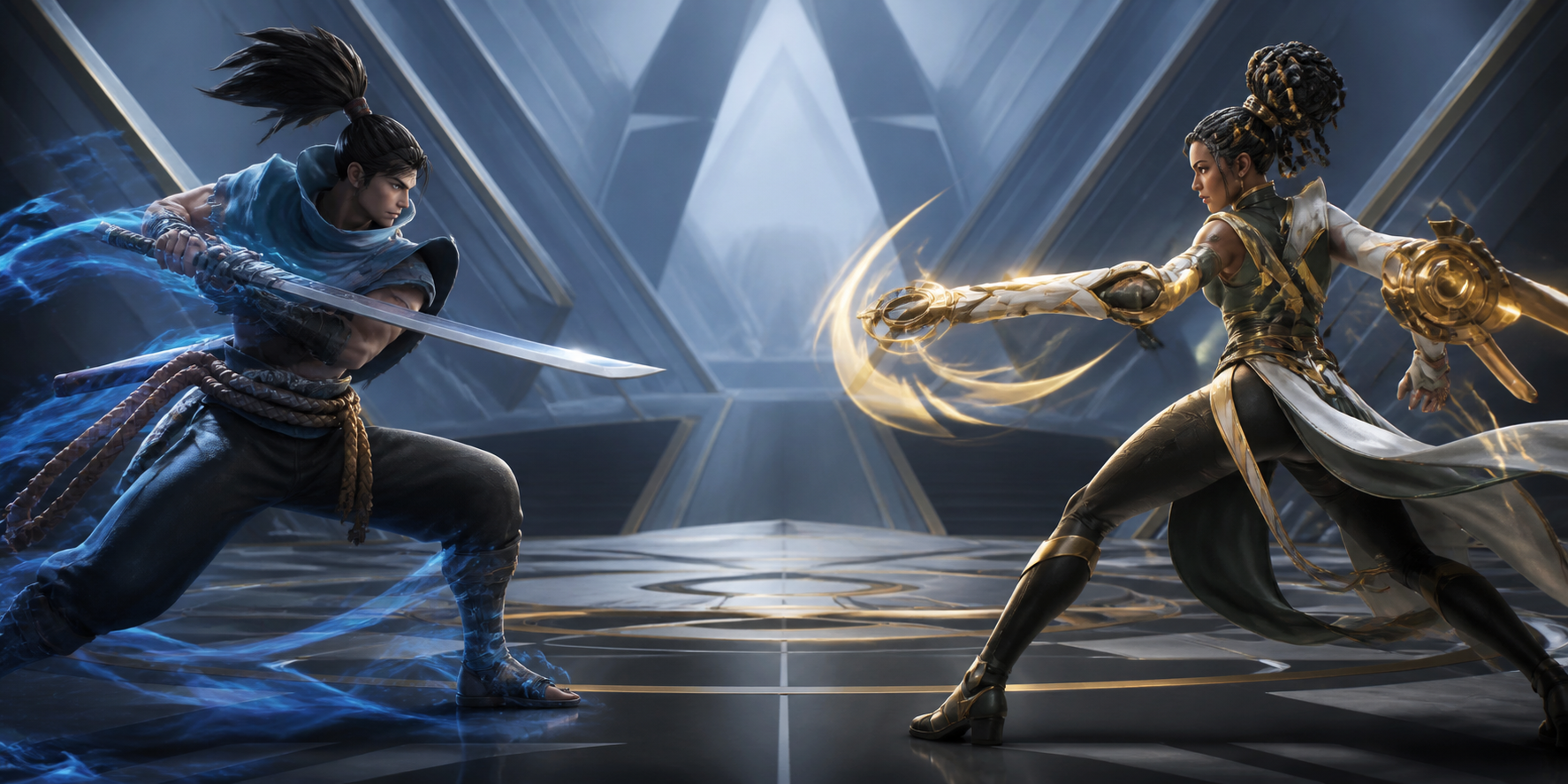
What strikes me about this title is its unique combination of tag-team (2v2) mechanics—players will control two champions, switching between them and coordinating attacks, much like classics such as Marvel vs. Capcom. Early developer footage showcases fast, visually impressive combat featuring champions like Ahri, Darius, Ekko, Illaoi, and Yasuo, each with distinct fighting styles and abilities.
- Riot emphasizes accessibility, stating 2XKO is for both newcomers and fighting game veterans.
- The free-to-play model is consistent with Riot’s other major titles, lowering barriers to entry.
- They’ve promised robust online play with rollback netcode, hoping to create a seamless, worldwide competitive scene.
- Open playtests are being rolled out, allowing players to offer feedback as the title is shaped.
The official release is slated for 2025 on all major platforms (PS5, Xbox Series X|S, and PC), and crossplay will be available from the start, indicating Riot’s ambition for a unified, global player base.
Why This Matters
For the fighting game community, 2XKO is more than just another release—it has the potential to invigorate a genre that sometimes struggles with high entry barriers and fragmented ecosystems. Riot’s focus on accessibility and connections to League of Legends could attract a much broader audience, from casual players seeking fun to hardcore competitors eyeing a new esport frontier.
This matters for the wider esports industry as well: with Riot's history of building strong competitive scenes (see: LoL Worlds), their support for 2XKO hints at an ambitious future for fighting game tournaments, sponsorships, and content creation. For existing fans of League and the FGC (Fighting Game Community), it could be the beginning of a transformative era that blends communities and gameplay styles.
Different Perspectives
Fighting Game Veterans
Many longtime FGC members welcome Riot’s entry, seeing potential for expanded events, prize pools, and recognition. However, some worry about "casualization"—that the game might sacrifice mechanical depth for mass appeal.
League of Legends Fans
LoL fans are excited to see their favorite champions reimagined in a new genre and hope the narrative and stylistic flair of League carries over. Some are unfamiliar with fighting games but are open to learning because of their attachment to the universe.
Esports Organizers
Tournament organizers and teams see a major opportunity in Riot’s support for structured online and offline play. However, they remain watchful for how monetization, competitive balance, and spectator tools will develop compared to existing staples like Street Fighter or Tekken.
Game Designers and Critics
Game analysts are intrigued by the challenge of blending deep fighting mechanics with the more accessible, broad-appeal elements Riot is known for. There’s curiosity about whether this balance can truly satisfy both casual and competitive players.



