Introduction
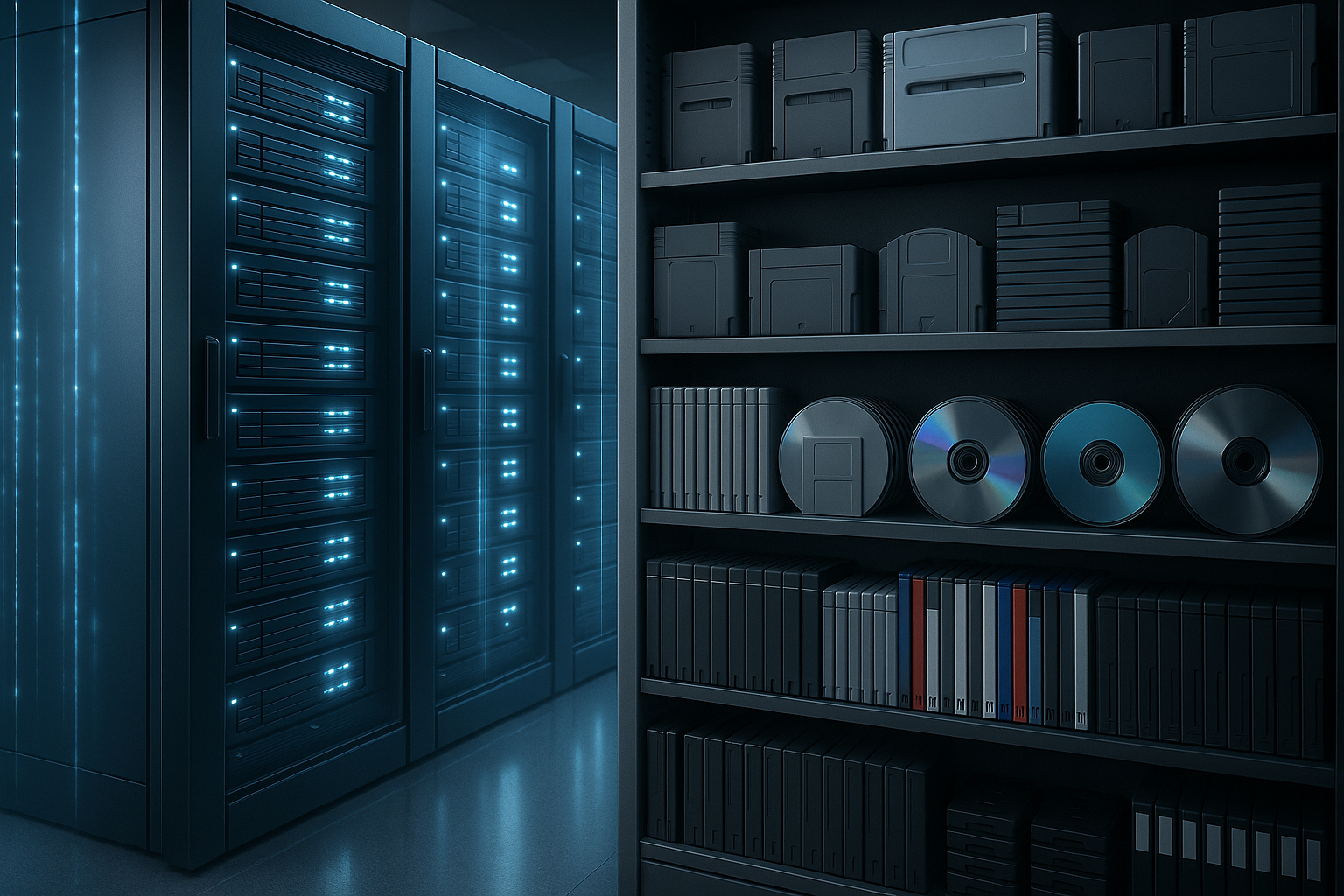
This month, the digital world was rocked by the unexpected arrival of the 385TB Myrient Video Game Archive. For video game enthusiasts, historians, and internet archivists, it feels like a seismic event — a treasure trove from gaming's past to its streaming present, suddenly made available as a single, massive collection. What makes this so momentous, and why is everyone talking about it now?
I find this fascinating because the archive prompts questions far beyond gaming: about copyright, digital preservation, and how we define cultural heritage in a digital age. Just as libraries once became the guardians of printed knowledge, we’re watching digital guardians emerge — and sometimes clash — over the legacy of interactive entertainment.
What's Happening
On May 21, 2024, users discovered a 385-terabyte collection of video games and related media available for public download and browsing on Myrient, a prominent online file hosting and archival platform. The Myrient Video Game Archive instantly became one of the largest video game archives ever assembled, dwarfing previous efforts by groups like The Internet Archive. Key details include:
- The archive contains more than four decades of games, spanning console, PC, arcade, and handheld systems.
- It includes ROMs, disk images, emulator software, artwork, and even manuals for thousands of games.
- Data is divided into platform-specific bundles (NES, SNES, Game Boy, Sega Saturn, PlayStation, PC, etc.), some weighing in at dozens of terabytes per platform.
- The total size is so immense that downloading the entirety would take weeks, requiring considerable storage and bandwidth.
The archive appeared organically, with no clear organizational authority, though contributors traced many files to longstanding preservationists and public-domain archivists. As news spread, Myrient began experiencing heavy traffic — some users reported slowed access or temporary outages due to demand.
The collection is not only a feat of gathering and curation, but also a lightning rod for debates over legality and ethics. While some of the content is abandonware or public domain, much is copyrighted. The sheer scale exposes gaps between official game publishers’ preservation efforts and grassroots archiving communities.
Why This Matters
The emergence of a single, openly accessible archive of this magnitude immediately impacts several major groups:
For preservationists, it’s a proof-of-concept that full-spectrum documentation of digital entertainment is possible, even for a form as ephemeral and frequently lost as video games. For players, educators, and researchers, it’s a remarkable resource for experiencing and studying games long out of print or forgotten by publishers.
Yet, for copyright holders and the broader industry, Myrient’s collection is a potential legal minefield. It revives the struggle over who gets to control — and profit from — the legacy of games, especially as remasters and retro compilations become lucrative business. The issue isn’t just about law, but about cultural stewardship and society’s right to its digital artifacts.
Different Perspectives
The Preservationist View
Preservationists argue that the archive is essential cultural work. Most games become unplayable or lost within decades due to hardware obsolescence, as companies shift focus or close down. From this angle, Myrient is an act of communal memory, resisting the erasure of digital art forms.