Introduction
Imagine gliding through airport security and boarding your plane with barely a pause. This vision is quickly becoming reality at Dallas-Fort Worth (DFW) International Airport, thanks to American Airlines’ new self-boarding e-gates. As travel rebounds and technology rapidly evolves, the way we move through airports is transforming before our eyes.
The debut of these e-gates matters now more than ever. With traveler expectations soaring for fast, seamless, and touchless journeys—especially in the wake of the pandemic—airlines and airports are in a race to modernize. I find this fascinating because what’s happening at DFW is a preview of the wider future of air travel around the world.
What's Happening
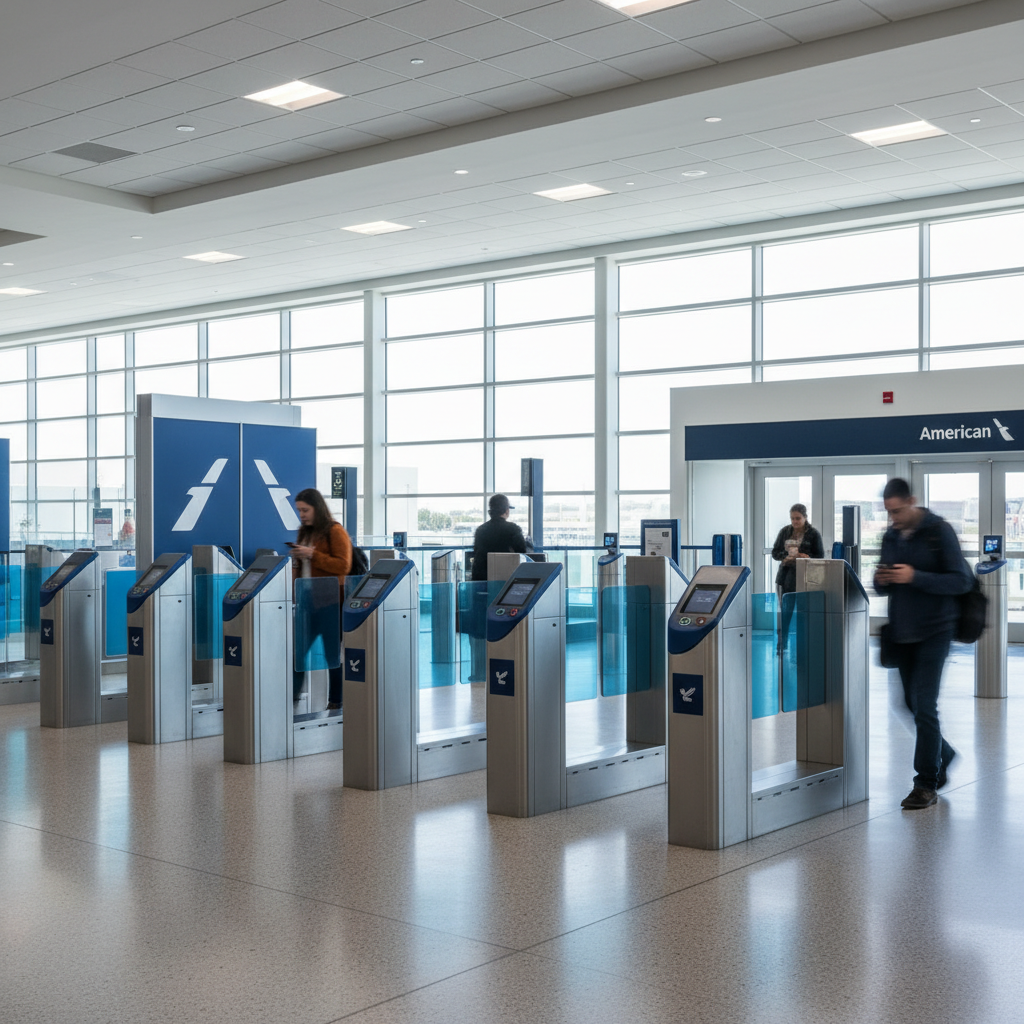
On April 2024, American Airlines became the first U.S. carrier to launch self-boarding e-gates at their Dallas-Fort Worth International Airport hub. These aren’t just fancy turnstiles: they blend biometric verification and scanning technology to streamline the boarding process for both passengers and staff.
- How it works: Passengers tap or scan their boarding pass (digital or paper) at the gate. Some systems also use facial recognition to verify traveler identity.
- Contactless experience: The e-gates swing open automatically for authorized passengers, allowing them to proceed directly onto the jet bridge, reducing the need for manual staff checks.
- Expansion plans: Currently, the e-gates are in select terminals at DFW, with American and other airports watching closely to evaluate further rollout.
- Industry trend: Biometric and self-boarding tech is popular in Europe and Asia. The U.S., however, has lagged behind until these DFW e-gates went live.
The collaboration includes technology partners like NEC and SITA, leveraging advanced AI and security protocols. Initial feedback from travelers and crew suggests shorter lines and less congestion at boarding—a win in a notoriously stressful part of flying.
Why This Matters
The e-gates touch almost every aspect of the travel ecosystem. For passengers, faster and touchless boarding could mean less stress, smaller crowds, and fewer missed flights. For airlines, automation can lower labor costs and improve operational efficiency. Airports, too, can move more people through gates, better managing today’s record-breaking passenger volumes.
But it’s not just about speed—this is about reshaping what it means to move through public spaces. These e-gates signal a shift toward “smart” airports, where data flows seamlessly and physical friction points disappear. How society adapts to and governs these changes is as important as the tech itself.
Different Perspectives
Travelers: Convenience vs. Privacy
Many passengers welcome the convenience, especially frequent fliers weary of bottlenecks. One traveler remarked,
“I got to my seat faster and avoided the usual crowd at the gate—I hope this comes to every airport soon.”But others are cautious about widespread facial recognition and digital data collection, raising questions about privacy and data security.