Introduction
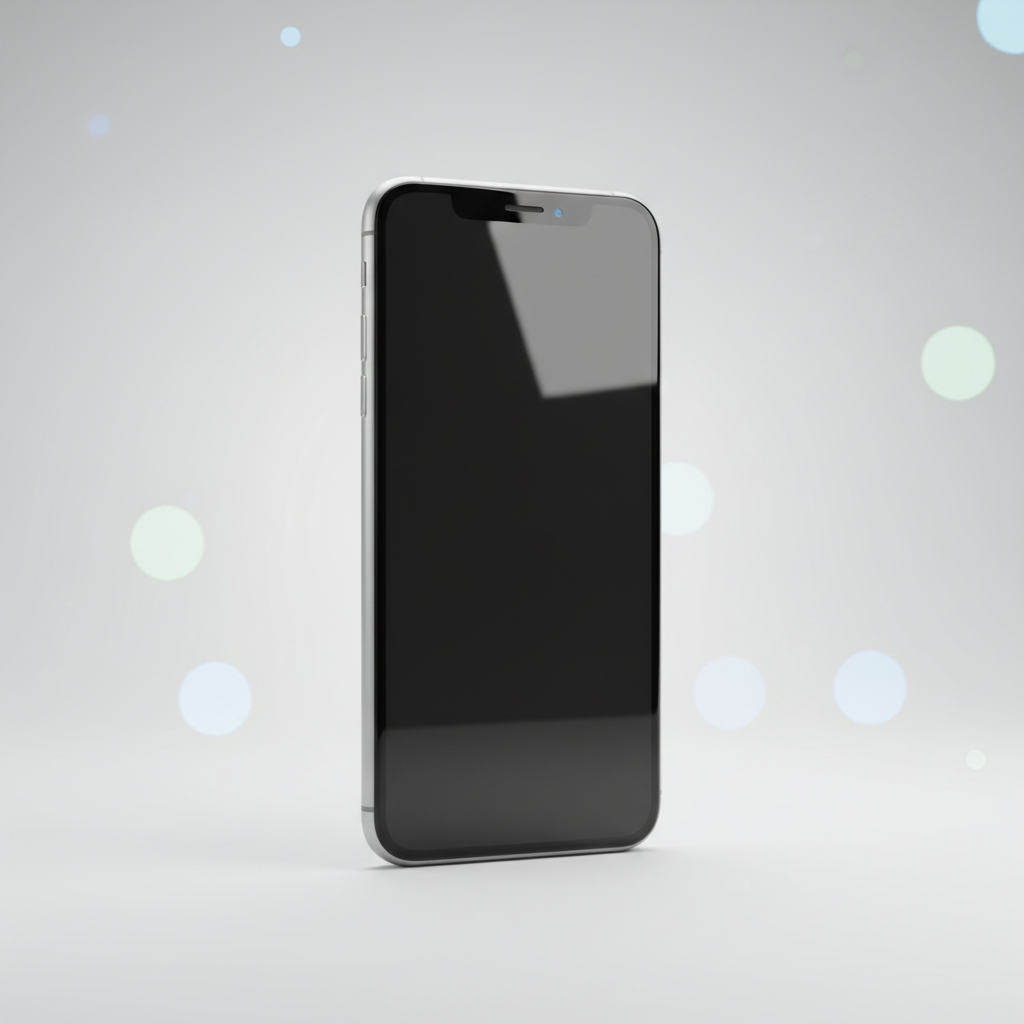
The Apple iPhone is back in the tech spotlight with the launch of iOS 26.4.1—a seemingly routine update that’s capturing widespread attention. Why are so many iPhone users talking about this one? Beneath surface-level bug fixes, there’s a story of evolving user expectations, privacy concerns, and Apple’s strategic choices in a competitive smartphone market.
I find this fascinating because iPhone updates aren’t just about the software—they reflect how Apple navigates consumer needs, security threats, and broader shifts in technology culture. With every new iOS release, millions re-discover how tightly their digital lives are intertwined with their devices. What should we really make of iOS 26.4.1? Let’s dig in.
What's Happening
On June 2024, Apple rolled out iOS 26.4.1—the latest operating system update for recent iPhone models. This update follows a series of incremental releases, building on feedback and addressing newly identified issues. The official changelog is concise, but some core elements stand out.
- Bug Fixes: Apple targets a persistent battery drain issue affecting users since iOS 26.4, and tweaks some minor UI glitches.
- Security Patch: A critical vulnerability—potentially exposing data through the Messages app—has been patched, according to Apple’s release notes and independent security researchers.
- Performance Improvements: Users report faster Face ID unlocks and smoother multitasking, though individual experiences vary.
- Limited New Features: This is not a major overhaul, but rather a stability and security-focused update—the kind that often flies under the radar but impacts millions worldwide.
The update is available for iPhone 12 models and newer, as well as select recent iPads. Most users are prompted automatically, while others might have seen news headlines urging a manual update due to security concerns.
As is common with Apple, details about the precise nature of the security vulnerabilities are released with care—to protect users who haven’t updated yet, and to prevent exploitation by malicious actors.
Why This Matters
Every iOS update shapes the daily digital lives of millions. Even minor changes can alter device performance, user habits, and personal security. In the case of iOS 26.4.1, there’s more at stake than just optimization.
The patched vulnerability could have left user data exposed to potential attacks—a reminder of how quickly cyber threats evolve. For Apple, maintaining trust means acting swiftly on reported bugs, especially with growing competition from Android and persistent privacy debates.
For end users, these kinds of updates often fly under the radar. Yet, skipping them can have outsized impacts—making the conversation around timely updates more important than ever as digital dependency deepens.
Different Perspectives
Apple’s Official Position
Apple emphasizes user security and seamless experience: “We’re committed to providing the safest, most reliable iPhones in the world. iOS 26.4.1 continues to build on that promise, closing vulnerabilities and increasing performance for all users.”