Introduction
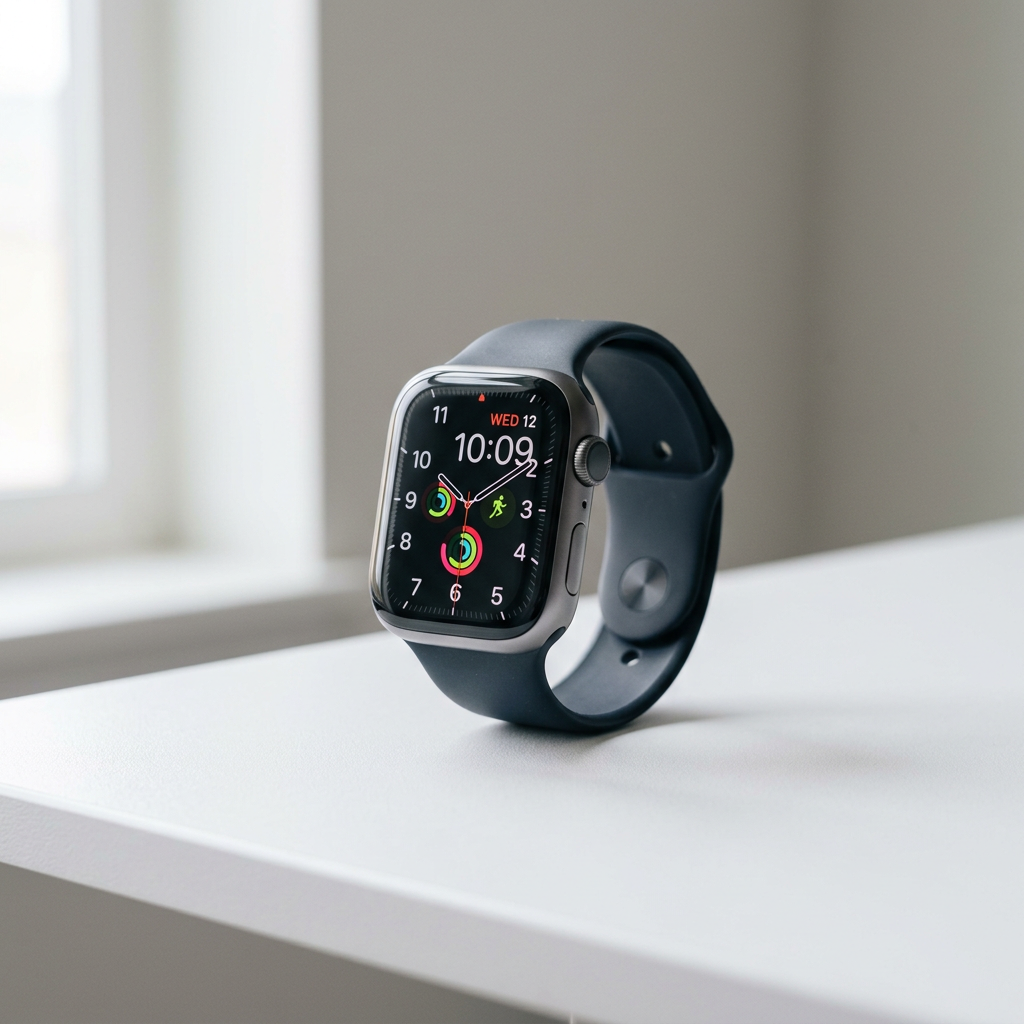
The unveiling of the Apple Watch Series 12 has attracted widespread attention—not just for its new hardware, but for what it signals about our evolving relationship with always-on technology. Apple’s latest wearable offers a cutting-edge Health Sensing System and introduces AI features that are quietly, yet continuously, listening in.
I find this fascinating because the Apple Watch sits at the crossroads of health, privacy, and convenience. As more people rely on wearables to monitor wellness and manage their day-to-day lives, the implications stretch far beyond tech enthusiasts and reach deep into everyday routines.
Key Takeaways
- The Apple Watch Series 12 introduces a new Health Sensing System aimed at deeper wellness insights.
- Apple has added advanced AI features that enable more context-aware assistance by continuously listening for cues.
- This iteration of the Apple Watch further cements wearables as essential tools for proactive health management.
- Privacy concerns are being raised as the line between convenient AI and continuous monitoring blurs.
- The global popularity of Apple Watches demonstrates a shift towards integrating technology with personal well-being.
What's Happening
The Apple Watch Series 12 was recently announced, featuring an all-new Health Sensing System that promises more accurate data on heart health, sleep quality, and even stress levels. Apple claims this system is the “most advanced” they’ve ever offered, pushing the boundaries of what wearable technology can detect and report.
One of the headline features is the implementation of sophisticated AI listening capabilities. The watch now uses on-device intelligence to tune in to verbal and non-verbal cues, offering reminders or suggestions at moments that matter—like noticing signs of fatigue, or when it “hears” a user mention feeling unwell.
- This new AI system is designed to process data privately, with much of the analysis happening directly on the watch, reducing reliance on the cloud.
- Apple has emphasized user control by offering detailed privacy settings and transparency reports, although some users remain skeptical.
The Series 12 continues Apple’s tradition of integrating fitness tracking, communications, safety alerts, and now an increased role for AI across its suite of health and lifestyle features. The company has pitched this device as a “guardian on your wrist,” providing proactive advice and, if needed, rapid notifications to contacts or emergency services.
Why This Matters
With each new release, the Apple Watch subtly changes how people relate to both health and technology in everyday life. The integration of AI and continuous health monitoring makes it easier for users to catch early warning signs, potentially leading to improved outcomes for issues like atrial fibrillation, sleep apnea, and heightened stress.
At the same time, the Series 12 ushers in a more normalized experience of always-available, always-listening technology. For many, this means greater convenience and security. For others, it raises questions about the price of such immediacy in terms of privacy and personal agency.
Different Perspectives
Health Advocates
Many in the health and wellness community applaud the Apple Watch Series 12 as a valuable tool for democratizing proactive wellness. They argue that granular health data and timely alerts can empower people to take control over their physical and mental well-being.
Privacy Advocates
Some privacy experts express concerns about the normalization of always-on, AI-driven listening devices. Even with on-device processing, doubts remain about how much personal information is captured, retained, and potentially vulnerable to misuse or breaches.
Tech Enthusiasts
Gadget fans view the Series 12 as another leap forward, appreciating the seamless fusion of hardware and AI. For them, the trade-off between convenience and privacy is acceptable—especially given Apple’s stance on encryption and user control.