
Introduction
The roads, bridges, and highways of Arizona connect more than just cities—they link communities, economies, and entire ways of life. Recently, the Arizona Department of Transportation (ADOT) has been trending, with projects and decisions drawing public attention. From bold infrastructure initiatives to technological upgrades and policy debates, ADOT is shaping Arizona's future in ways that spark widespread discussion.
I find this fascinating because transportation agencies often operate in the background, yet the ripple effects of their work touch everyone. As I sift through the swirling coverage and commentary, it's clear: what happens at ADOT truly matters right now, not just to motorists but to all Arizonans.
What's Happening
ADOT is responsible for planning, building, and maintaining Arizona’s state highways and transportation systems. Over the past year, the department has introduced several high-impact projects and hit the headlines for both innovation and controversy. Key developments include:
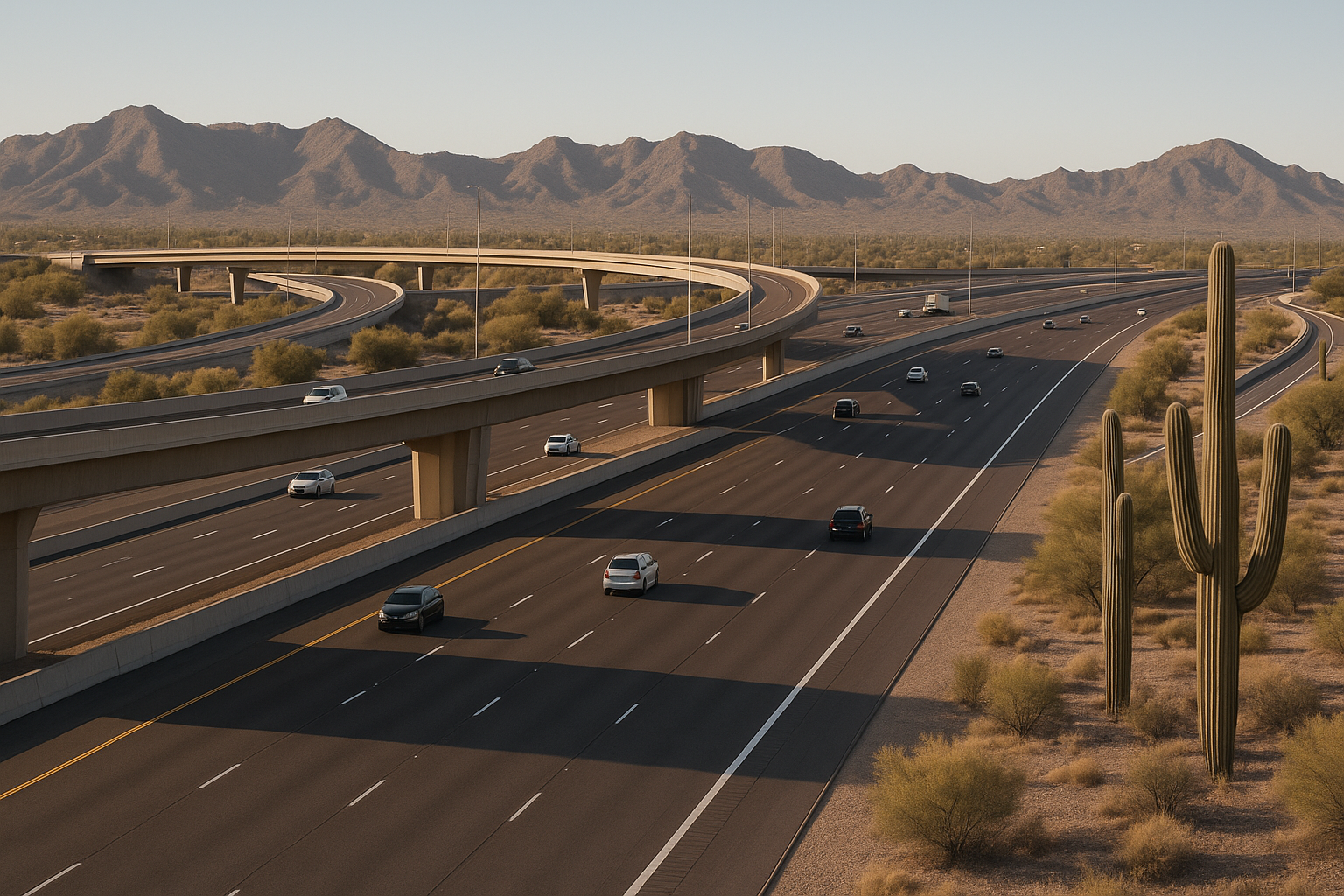
- Major highway expansions in growing corridors around Phoenix, Tucson, and Flagstaff—aimed at easing traffic and supporting business growth.
- High-profile technology pilots, such as smart traffic signals, expanded use of drones for infrastructure inspection, and digital driver’s licenses.
- Public debates over funding, toll road proposals, and how to prioritize sustainability and environmental concerns in new projects.
- A focus on road safety—with targeted efforts to reduce fatalities, especially in rural and tribal regions where accident rates are high.
- Increasing engagement with communities, encouraging feedback on construction timelines, design plans, and potential disruptions.
Recent projects like the I-10 Broadway Curve Improvement and Loop 202 South Mountain Freeway have drawn both applause and sharp critiques. ADOT’s modernization drive—including exploring autonomous vehicle infrastructure—marks Arizona as a leader in some circles, even as others question costs and long-term viability.
At the same time, Arizona’s rapid population growth puts additional pressure on the agency to balance capacity, environmental stewardship, and budgetary realities.
Why This Matters
Transportation decisions shape economic vitality, environmental health, and daily quality of life. ADOT’s actions influence how quickly goods move, where new housing gets built, and whether alternative transit options like biking or buses are feasible for Arizona’s citizens.
With federal infrastructure funds flowing and Arizona continuing as a migration hotspot, the department must juggle competing interests from business leaders, environmental advocates, rural residents, and city planners. The stakes are high—how ADOT sets priorities today determines what Arizona will look, feel, and move like for decades to come.
Moreover, ADOT’s approach to integrating new technologies—such as smart roads and advanced safety analytics—could become a blueprint for other states, magnifying the impact of its decisions beyond Arizona’s borders.
Different Perspectives
Business & Economic Growth Advocates
These groups welcome ADOT’s mobility upgrades, arguing that better highways mean faster commutes and stronger supply chains. Faster roads are seen as crucial for attracting companies, especially in logistics, manufacturing, and tech.



