
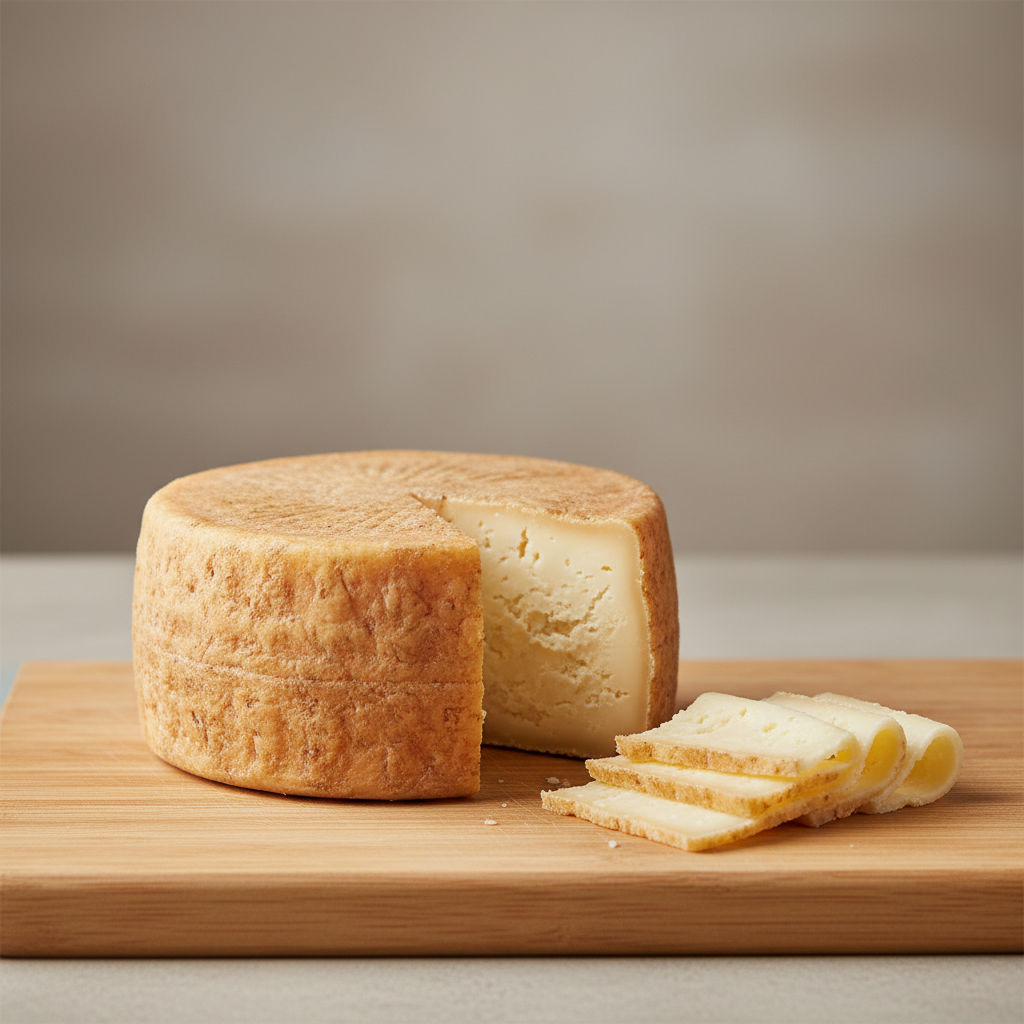
Introduction
It’s not every day that a cheese earns a sudden spotlight, but Asiago has recently captured the culinary world’s imagination. Scrolling through food trends, I see Asiago making its way into everything from upscale charcuterie boards to viral TikTok pasta recipes. But why now, and what sets it apart from other cheeses with Italian roots?
This matters because what we eat and celebrate in our kitchens tells a bigger story — about culture, globalization, and even agricultural traditions. As Asiago enjoys a renaissance, digging into what makes it unique can illuminate how something as simple as cheese weaves into complex patterns of taste and identity.
What's Happening
So, what is Asiago and why the buzz? Originally from the Asiago plateau in northern Italy, this cheese has surged in popularity, both as an imported delicacy and in local production worldwide.
- Traditional Roots: Authentic Asiago, known as "Asiago DOP," is protected by EU regulations and produced in the Veneto and Trentino regions.
- Versatile Flavor Profiles: Fresh Asiago (Asiago Pressato) is soft and mild, while aged Asiago (Asiago d’allevo) develops a crumbly texture and sharper, nutty notes.
- Culinary Versatility: It’s showing up shredded over pasta, baked into breads, and featured on cheese boards alongside heavyweights like Parmigiano Reggiano and Pecorino Romano.
- Social Media Fuel: Viral recipes and cheese-pull videos have amplified its reach, with influencers praising its functionality and flavor punch.
Producers outside Italy, especially in the U.S., are making Asiago-style cheeses, sparking conversations about authenticity and local adaptation. The growing demand is reflected in increased imports and a wave of new domestic varieties.
Why This Matters
Cheese isn’t just food — it’s a cultural currency. Asiago’s surge highlights how consumer preferences are evolving: people crave both authentic heritage and convenient, modern uses. This trend underscores a broader appreciation for artisanal foods and the stories they carry.
For producers in Italy, increased attention raises export opportunities, but also challenges in protecting "true" Asiago’s identity. Meanwhile, consumers benefit from more choices but may encounter confusion over what constitutes genuine Asiago versus generic versions.
Different Perspectives
Traditionalists
Some Italian producers and food purists argue that only Asiago DOP deserves the name, emphasizing the importance of terroir, traditional techniques, and local milk. They see mass-produced or non-Italian versions as diluting the reputation and economic value of the authentic cheese.



