
Introduction
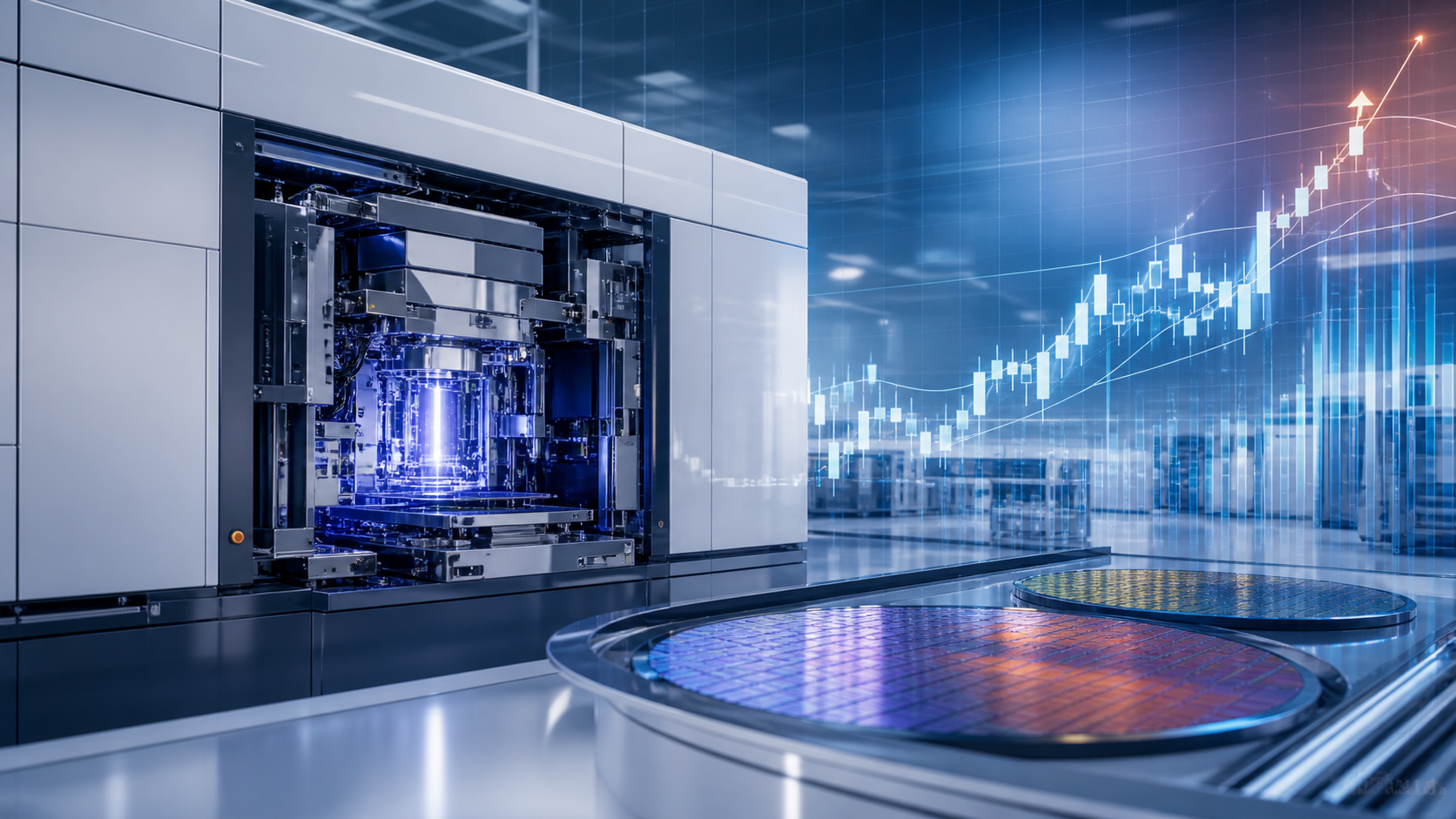
ASML, a Dutch company crucial to advanced chipmaking, is at the heart of an electrifying story in global finance and technology. With its latest earnings smashing expectations and demand for its lithography machines soaring thanks to the AI boom, investors are abuzz about what comes next. Yet, despite ASML’s standout performance, semiconductor stocks at large are in a slump, leaving many to wonder about the factors at play behind these mixed signals.
I find this topic fascinating because it intertwines cutting-edge technology, global economic forces, and shifting investor sentiment. The future of ASML stock isn't just about one company's numbers—it's a lens into how the AI revolution is reshaping entire industries, and how markets often move in surprising ways.
Key Takeaways
- ASML reported profits well above analyst expectations amid surging interest in its chipmaking technology.
- The company is seeing strong order interest for its equipment through at least 2030, fueled largely by AI-related demand.
- Despite ASML's strength, chip stocks more broadly have faced a decline due to cyclical pressures and investor caution.
- ASML's lithography machines are critical for manufacturing the most advanced semiconductors used in AI, data centers, and beyond.
- Analysts remain divided on whether ASML’s stock rally can withstand broader chip sector headwinds.
What's Happening
ASML, the world’s only supplier of extreme ultraviolet (EUV) lithography machines, recently posted earnings that not only surpassed Wall Street expectations but highlighted the company’s increasingly central role in powering the AI revolution. In its quarterly report, ASML revealed a profit jump, driven by robust sales of its advanced chipmaking equipment. The market response was swift: shares of ASML climbed, even as other chipmaker stocks like Nvidia and AMD experienced volatility.
Behind ASML’s success is its unique position in the semiconductor supply chain. Modern chips—especially those used in AI and high-performance computing—are only possible because of ASML’s cutting-edge lithography tools. Without ASML, leading foundries like TSMC and Samsung can’t fabricate the latest chips that fuel everything from cloud data centers to consumer electronics.
- ASML reported orders and interest stretching through 2030, indicating prolonged demand.
- The AI boom is a key demand driver, as more data centers and tech firms invest in advanced chips.
- Despite ASML's gains, other chip stocks declined amid concerns of oversupply, geopolitical risk, and cyclical downturns.
Even with flagging performance in the broader chip sector, ASML’s results point to a strong niche advantage. The company’s order book and technology roadmap suggest it may remain resilient, even in a shakier market.
Still, there are caveats: cyclical dynamics, export controls, and shifting capital expenditure plans by major chipmakers make the sector’s future anything but certain.
Why This Matters
ASML’s performance isn’t just a story for investors; it’s a signal for the entire technology ecosystem. As AI continues to expand into every industry, the need for state-of-the-art chips is unrelenting—and ASML holds the keys to this technological future. The company’s machines are expensive (sometimes over $200M each) and complex, meaning production bottlenecks or order slowdowns could have ripple effects throughout tech supply chains.
For policymakers and business leaders, ASML’s trajectory also highlights the geopolitical importance of semiconductor equipment. With export restrictions and tech competition intensifying, ASML’s supply chain decisions can influence global innovation and economics. For retail investors, the stock stands at the intersection of hype, real growth, and sector risk—a potentially potent but volatile mix.
Different Perspectives
Optimistic View: ASML as a Long-Term Winner
Many bulls argue that ASML is one of the few true "picks and shovels" plays in tech, indispensable to the AI revolution and cloud computing. These investors believe that with such a dominant technology, ASML’s growth runway is secure well into the next decade.
Bearish Take: Cyclical and Geopolitical Risks Loom Large
Others warn that the entire chip sector is cyclical and subject to boom-bust dynamics. Trade restrictions, economic slowdowns, or sudden demand changes could hit ASML just as hard as its peers, raising the odds of a correction.