
Introduction
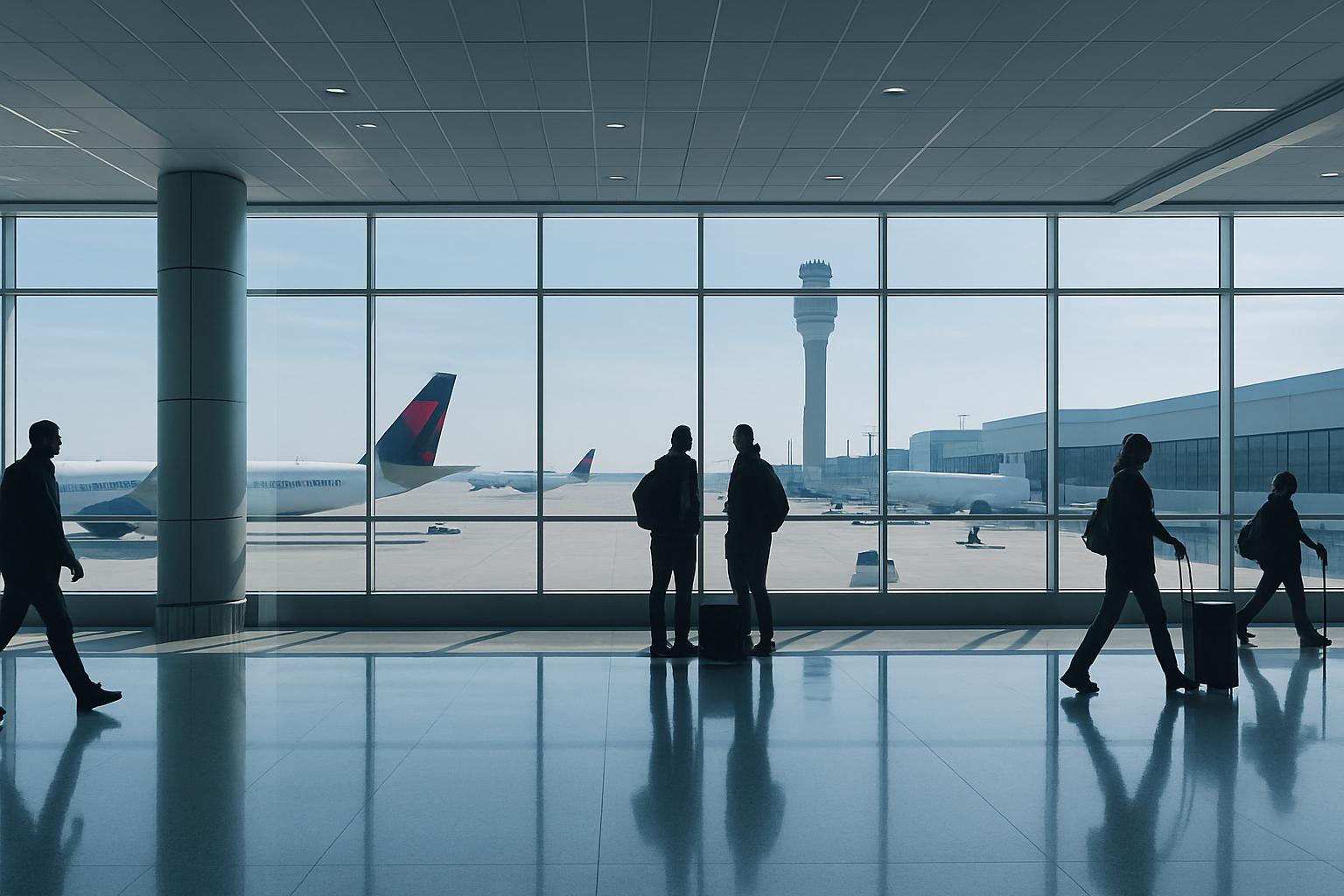
Atlanta's Hartsfield-Jackson International Airport often tops the headlines—and for good reason. As the world's busiest airport, its ripples reach far across global aviation and the daily lives of millions. In recent weeks, the airport has been in the news due to record passenger numbers, technology upgrades, and growing concerns around congestion and disruptions.
I find this fascinating because the story of Atlanta Airport is really the story of modern travel—where technology, infrastructure, and human behavior intersect at massive scale. What's happening here can reveal a lot about the evolving challenges of global mobility and city growth.
What's Happening
Hartsfield-Jackson Atlanta International Airport (ATL) is not just a transportation hub—it's an economic powerhouse and a microcosm of the modern travel experience. Recent updates include:
- Passenger Surges: In 2024, ATL broke records with over 110 million annual passengers, signaling a strong post-pandemic rebound.
- Technology Upgrades: The airport is rolling out advanced facial recognition systems, biometric boarding, and improved security screening to streamline the travel process.
- Infrastructure Expansion: Major construction projects are underway—new gates, expanded terminals, and enhanced amenities—to accommodate increasing demand.
- Operational Challenges: Despite innovations, ATL faces persistent issues like overcrowding, baggage delays, and staff shortages, especially during busy periods.
- Security and Disruption: Recent incidents, including severe weather and IT outages, have highlighted vulnerabilities in airport operations.
As the primary hub for Delta Air Lines and a gateway for numerous domestic and international carriers, ATL serves as the heartbeat of trans-American and global connections.
This wave of change isn't just technical—it's shaping how people, goods, and cultures move every day.
Why This Matters
The ripple effects of what happens at Atlanta Airport are immense. For travelers, even minor delays or innovations at ATL can cascade into broader disruptions or improvements nationwide and worldwide. As the airport handles a staggering volume of flights and people daily, operational efficiency here often sets the tone for the rest of the industry.
Moreover, the airport is a major economic engine for Atlanta and the southeastern U.S. Its performance influences business, tourism, and even the city's reputation on the world stage. The push for technological upgrades also becomes a test case for how human-centric and frictionless future travel might look—for better or worse.
Different Perspectives
Traveler Experience
Many travelers appreciate ATL's connectivity and convenience, but some find the airport overwhelming due to crowds and complex layouts. The technology upgrades are seen by some as a boon to efficiency, while others worry about privacy and confusion.



