
Introduction
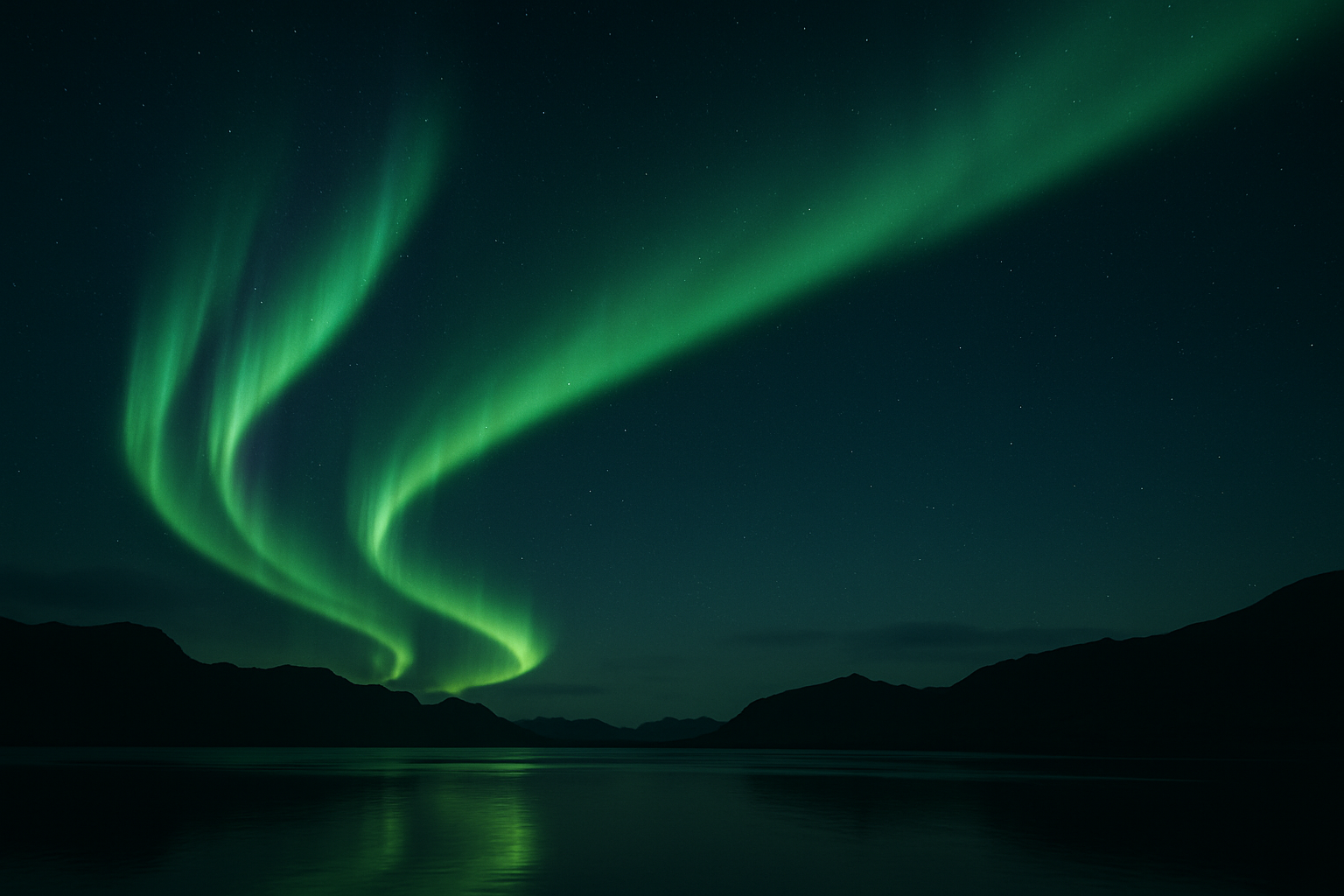
Few natural phenomena ignite wonder quite like auroras—those otherworldly curtains of shimmering color that ripple across polar skies. Lately, few news stories have captured so much attention: reports of brilliant northern lights (aurora borealis) sightings have flooded social media, with rare visibility as far south as regions typically untouched by the spectacle. Why is everyone buzzing about these luminous displays right now?
I find this surge in interest fascinating because auroras bridge ancient mystique with modern science. Their sudden prevalence has not only enchanted millions but sparked new curiosity about what triggers these vivid sky shows and what they reveal about our planet’s relationship with the cosmos.
What's Happening
In recent weeks, intense geomagnetic storms—driven by powerful solar activity—have generated exceptionally vivid auroras visible across large portions of the Northern Hemisphere. Usually reserved for high-latitude regions, these dancing lights have painted the skies over unexpected places, including parts of the United States, Europe, and even the Mediterranean.
- Solar Flares: Solar activity, particularly coronal mass ejections (CMEs), has increased. These eruptions spew charged particles toward Earth.
- Magnetosphere Interaction: When the solar wind collides with Earth's magnetosphere, energy is transferred, exciting atmospheric gases and creating the glowing patterns people see as auroras.
- Unusual Reach: In May 2024, a historic geomagnetic storm pushed the aurora's reach far south, with reports from cities unaccustomed to such views.
- Social Sharing: Social media networks lit up with stunning images and videos, fueling global fascination with the phenomenon.
According to space weather services, the recent storms were the strongest in over two decades. Scientists are closely monitoring the Sun for additional flare activity, as the current solar cycle is approaching its peak.
Why This Matters
On the surface, auroras are simply beautiful. But their presence can have far-reaching effects beyond the sky's aesthetic transformation. Geomagnetic storms powerful enough to trigger widespread auroras can also disrupt radio communication, GPS systems, power grids, and satellite operations.
The recent surge has prompted national agencies to issue advisories for critical infrastructure operators. For everyday people, these events represent a rare opportunity to connect with nature’s drama—but for engineers and policymakers, they’re reminders of Earth’s underlying vulnerabilities in the face of solar weather.
Emotionally, auroras remind us of our shared place in the cosmos—uniting communities in awe, regardless of geographic or cultural boundaries. Their impacts, both practical and symbolic, ripple widely.
Different Perspectives
Scientific View
Researchers emphasize the importance of studying auroras as indicators of space weather. They use satellites and ground-based sensors to monitor solar activity and warn about potential disruptions to technology on Earth.



