
Introduction
Baghdad—the capital of Iraq—is a city whose very name evokes images of ancient empires, intellectual brilliance, and tumultuous modern history. Yet, beyond headlines and historical clichés, Baghdad today stands at a crossroads, grappling with both legacy and rapid transformation.
I find Baghdad uniquely compelling right now because it embodies the intersection of past and present. As the region shifts in response to global, political, and economic pressures, what happens in Baghdad ripples far beyond Iraq’s borders. Let's shine a light on what's unfolding in this vibrant metropolis and why it matters so much today.
What's Happening
Baghdad has seen a surge of attention recently for several reasons—political realignments, economic challenges, and significant social developments.
- Political Dynamics: Iraq's government has been navigating political gridlock amid rising public demands for reform. The country’s parliament, headquartered in Baghdad, is at the heart of ongoing negotiations and protests concerning corruption and governance.
- Security Concerns: While security has improved significantly since the height of conflict in the 2000s, Baghdad still faces threats from extremist groups and occasional violence, underscoring persistent instability.
- Cultural Renaissance: There’s a vibrant movement among young Iraqis—especially in Baghdad—using art, technology, and social media to revive the city’s cultural scene. Galleries, poetry readings, and tech meetups are gaining momentum.
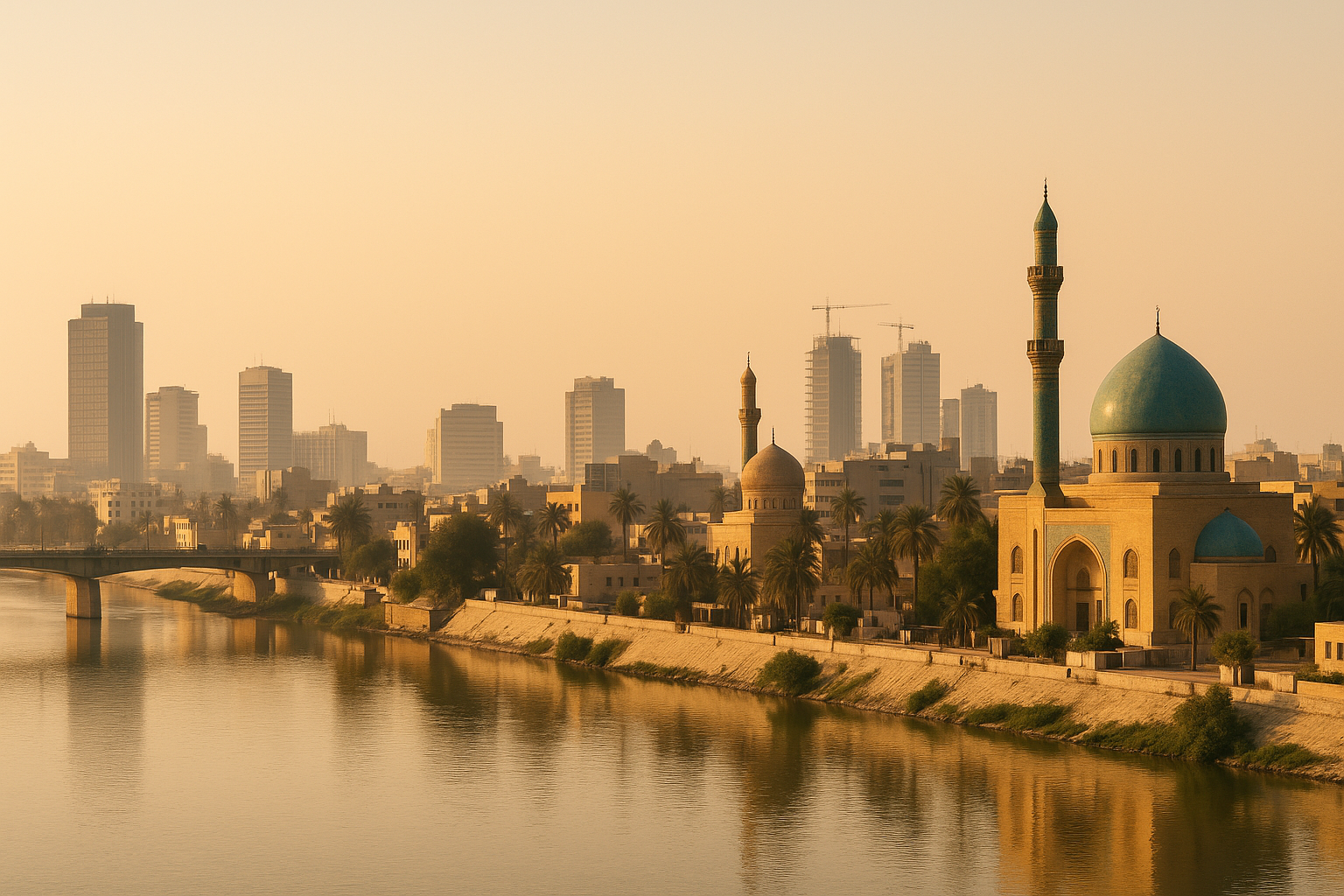
- Infrastructure and Urban Change: Baghdad's population has soared, putting pressure on infrastructure like roads, electricity, and public services. Reconstruction efforts are ongoing, but progress faces hurdles related to bureaucracy and funding.
Recently, the city made headlines due to a tragic fire at a wedding hall, sparking nationwide debates about public safety standards. Additionally, discussions surrounding foreign investment and regional diplomacy (including outreach to Gulf neighbors and Iran) have kept Baghdad in global conversations.
Why This Matters
Baghdad’s trajectory has deep implications for Iraq and the entire Middle East. As the political and economic hub of the country, what happens here often shapes national stability—or turmoil. If Baghdad thrives, there’s hope for broader Iraqi recovery. If it falters, the consequences can reverberate across the region.
The city’s ongoing struggles with governance, security, and infrastructure mirror global challenges faced by rapidly growing urban centers. Observing how Baghdad navigates these pressures offers valuable insight into resilience, adaptation, and the possibility for renewal after crisis.
Different Perspectives
Local Citizens
Many Baghdadis express both pride and frustration—pride in their heritage and resilience, frustration over corruption and uneven urban development. Some are optimistic about grassroots cultural revivals and entrepreneurial efforts.



