
Introduction
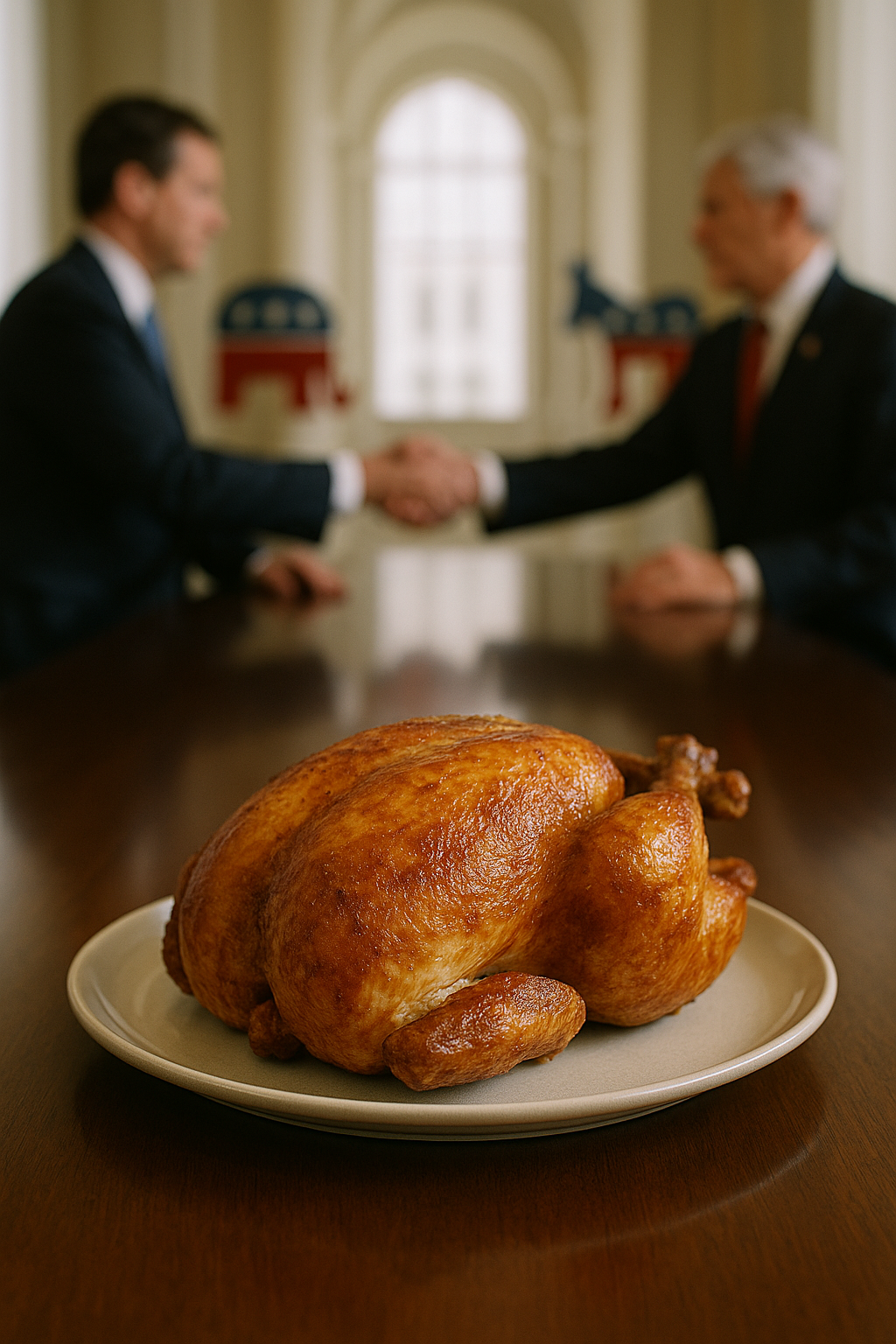
What do rotisserie chickens and Congress have in common? This week, they’re both heating up the news cycle. The introduction of the so-called Bipartisan Hot Rotisserie Chicken Act has set off both genuine curiosity and a fair share of internet chuckles. On the surface, it may sound quirky—or even trivial—but as I dig deeper, this discussion reveals larger truths about policy-making, everyday economics, and even American culture.
This act, despite its humorous name, captures attention for a reason: it touches on issues everyone can relate to—food, affordability, and government priorities. By unpacking it, I hope to shine light not just on the bill itself, but on why such seemingly mundane legislation matters now, and what it signals about the society that birthed it.
What's Happening
So, what is the Bipartisan Hot Rotisserie Chicken Act all about? At its core, this bill aims to allow people who use the Supplemental Nutrition Assistance Program (SNAP, formerly known as food stamps) to purchase hot prepared foods—specifically, store-bought rotisserie chickens—with their benefits. Right now, most SNAP benefits can’t be used for hot foods, which has led to frustration for many low-income shoppers.
- The bill is bipartisan: Sponsored by members of both major parties, signaling wide-ranging support.
- SNAP rules are outdated: The current ban on hot foods dates back decades, originally meant to distinguish between groceries (eligible) and restaurant or prepared meals (ineligible).
- Growing demand for change: Food banks, advocacy groups, and grocers have called for SNAP modernization, arguing that hot foods meet the needs of busy or unhoused families.
- Not just chicken: While rotisserie chicken is the catchy example, the act would permit SNAP use for all store-prepared hot foods.
This isn’t the first time Congress has debated food benefit restrictions, but rarely does such a specific—and culturally resonant—item take center stage. The ‘hot chicken’ angle isn’t just about lunch; it’s about social safety nets keeping up with real lives.
Why This Matters
On a practical level, changing SNAP rules could immediately improve daily life for millions. For many low-income individuals, especially those without stable housing, access to hot food isn’t just a convenience—it’s a necessity. Also, working families with limited time may rely on prepared foods as an affordable way to eat a nutritious meal.
Beyond that, the debate reveals the way public policy intersects with dignity. Is it right that those using SNAP face different choices at the grocery store than everyone else? Some argue this sends a stigmatizing message—even if the intention is fiscal responsibility.
Finally, the bipartisan support for this seemingly small change may signal a broader desire in Congress to find common ground on food issues, at a time when political polarization dominates headlines.
Different Perspectives
Supporters of the Act
Backers say the act is overdue and practical. They argue that current restrictions are arbitrary and outdated, and that allowing hot foods would address real needs—especially for those without a home or access to a kitchen.



