Introduction
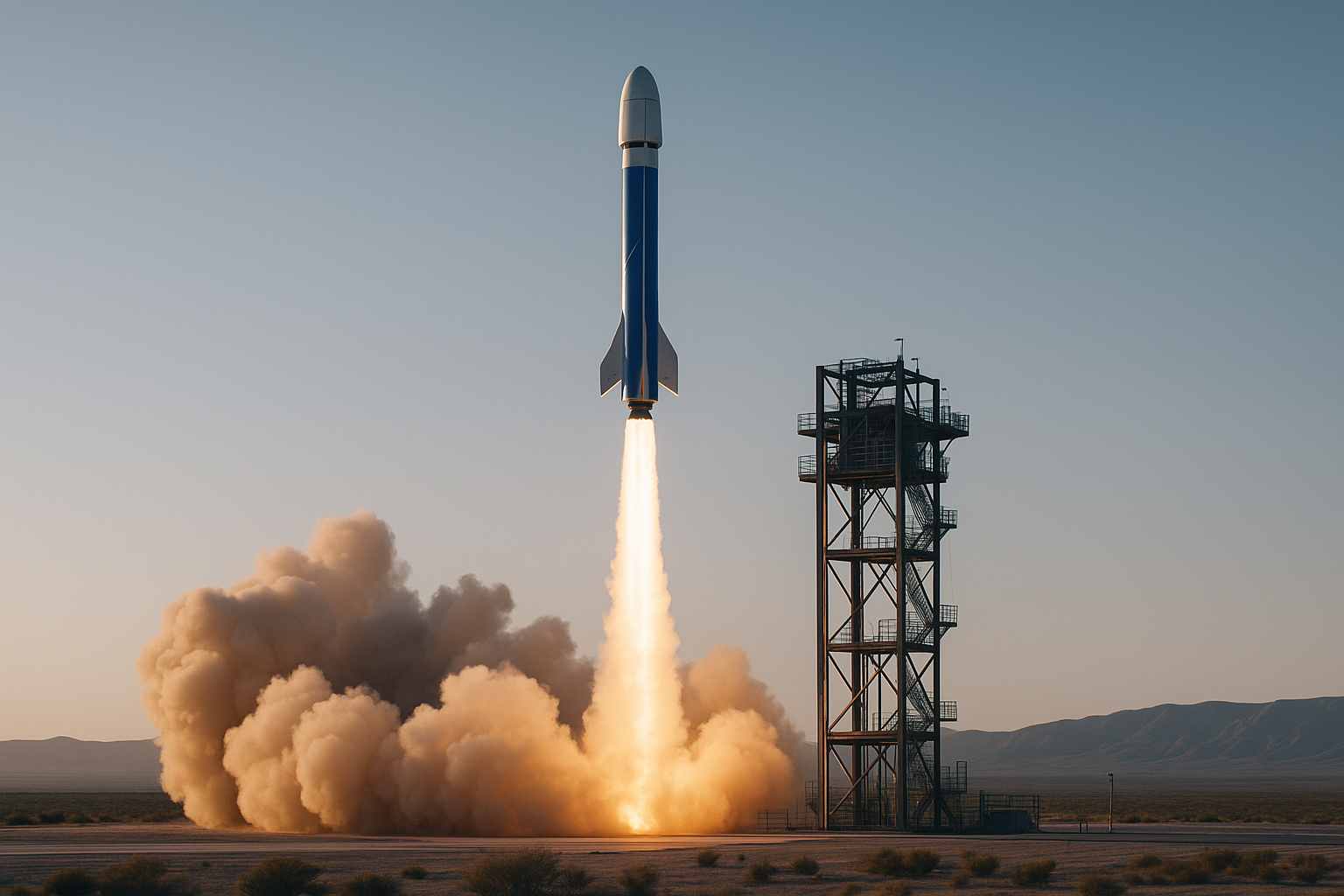
With every new rocket sent skyward, the landscape of space exploration shifts just a little. Today, all eyes are on Blue Origin as it attempts to launch its highly anticipated New Glenn rocket. In the fast-evolving world of private spaceflight, the stakes are high—and so is the curiosity.
What makes this launch so significant? It's more than just another payload or technical milestone. As Blue Origin, the brainchild of Jeff Bezos, enters a new phase with its largest rocket to date, the entire space industry stands poised for potential transformation. I find this fascinating because the ripple effects of an event like this can shape not only technology but economics, policy, and even our collective imagination.
What's Happening
Today, Blue Origin is preparing to launch its New Glenn rocket from Cape Canaveral, Florida. This event marks the company's boldest move since its suborbital space tourism flights, and represents Blue Origin’s entry into orbital launches—a domain previously dominated by SpaceX, United Launch Alliance, and international players.
- New Glenn is a massive, two-stage orbital rocket, designed for commercial and government missions to low Earth orbit and beyond.
- The rocket stands over 300 feet tall, is partly reusable (with a landing first stage), and is capable of delivering approximately 45 tons of payload to space.
- This launch is being closely watched by both industry and the public because New Glenn’s success—or failure—will influence contracts, investments, and government policy.
- The rocket will be carrying a suite of demonstration payloads to showcase its capability and reliability.
Prominent headlines today—such as “Blue Origin | New Glenn Launch | Rocket Launch Today”—show just how much attention this event is commanding. The immediate outcome will set the tone for the next phase of private spaceflight competition.
Why This Matters
The New Glenn launch could represent a significant democratization of space access. By fielding a new heavy-lift rocket, Blue Origin may provide increased launch capacity and lower costs for commercial, scientific, and even national security payloads.
This matters for several key reasons:
- Market Competition: Blue Origin’s entry challenges existing launch giants, potentially driving down costs and increasing innovation.
- National Security: Reliable American launch vehicles are vital for defense missions and maintaining U.S. presence in space.
- Commercial Expansion: More launches mean more satellites—powering everything from internet connectivity to climate monitoring.
Thousands—if not millions—of people may ultimately benefit, whether through advanced technologies, economic opportunities, or scientific breakthroughs enabled by new payloads sent aloft.
Different Perspectives
Enthusiastic Supporters
Advocates see New Glenn as a critical leap forward. They emphasize Blue Origin’s commitment to reusable technology, which could reduce costs and environmental impact. Some also hope increased competition will stimulate more frequent launches and faster progress toward Moon and Mars missions.