Introduction
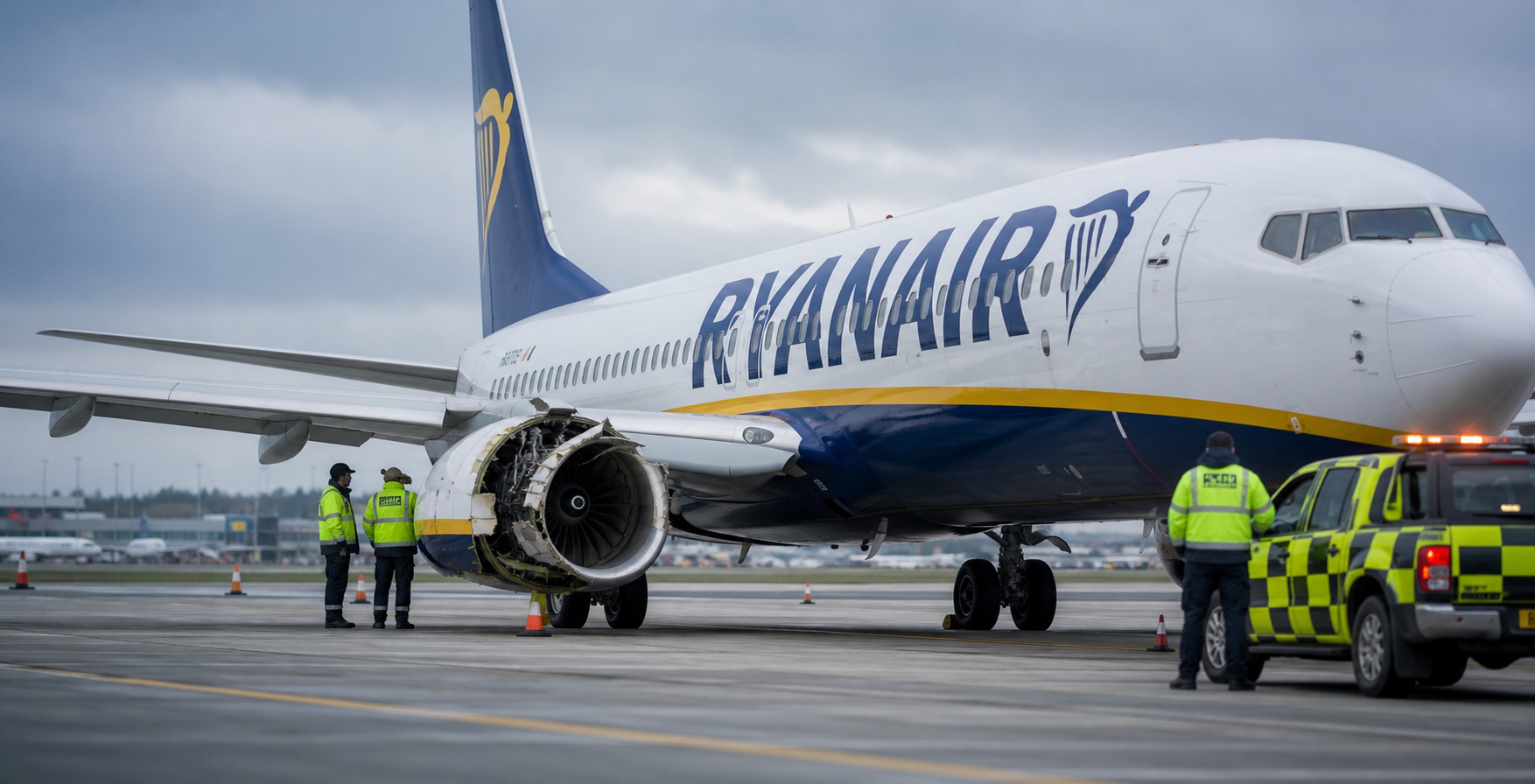
In recent days, reports surfaced of a Boeing 737 operated by Ryanair experiencing engine damage, sparking renewed debates on airline safety. The circumstances, reportedly involving an airplane window and subsequent engine issues, have left many passengers and observers unsettled — especially with Boeing already under scrutiny from prior incidents.
What strikes me about this situation is how quickly such stories ripple through public conversation, amplifying both legitimate concern and sometimes, fear. As air travel rebounds worldwide, understanding what happened and how the industry responds is not just a matter for aviation professionals, but for anyone who flies — which, in today's world, is nearly all of us.
What's Happening
The incident involves a Ryanair Boeing 737 aircraft reportedly experiencing engine damage during or shortly after takeoff. Initial reports link the damage to foreign object debris, with some sources mentioning an airplane window, though details remain under investigation. Here’s what is currently known:
- The flight was operating out of a major European airport and was scheduled for a short-haul route.
- Shortly after takeoff, the crew noticed irregular engine performance and followed emergency protocols.
- The aircraft safely returned to the airport, with no injuries reported among passengers or crew. However, images of an engine with visible damage and references to window issues added to public anxiety.
- Regulatory investigations are ongoing to determine the exact cause — whether the event was related to a window failure, ingestion of debris, or another mechanical fault.
The airline and Boeing have both issued preliminary statements, affirming their commitment to safety and pledging full cooperation with authorities. No evidence has, as of this writing, pointed to intentional wrongdoing or wider systemic faults with the 737 fleet; however, the close timing to other high-profile incidents has intensified scrutiny.
Why This Matters
When any aviation incident makes headlines — especially one including words like “engine damage” and “window” — it reverberates far beyond technical circles. For travelers, it raises concerns about the reliability of aircraft, the adequacy of inspections, and the transparency of airline communications.
For Ryanair, Boeing, and the broader industry, it’s a stress test of crisis response systems and reputational resilience. Regulators, too, are under pressure to demonstrate vigilance, given recent events in aviation safety (including unrelated Boeing 737 MAX issues and increased social media attention on airborne anomalies).
Trust in the safety of flight is built not just on technical facts, but also on how those facts are shared and explained. This episode is another reminder of how vital both the reality and the perception of safety remain in keeping the modern world connected.
Different Perspectives
Passengers and the Public
Many travelers understandably feel anxious, with memories of past aviation issues resurfacing. Some demand more information and reassurance, or even seek compensation or avoid flying temporarily. The spread of dramatic images or speculative claims, especially online, intensifies these reactions.