
Introduction
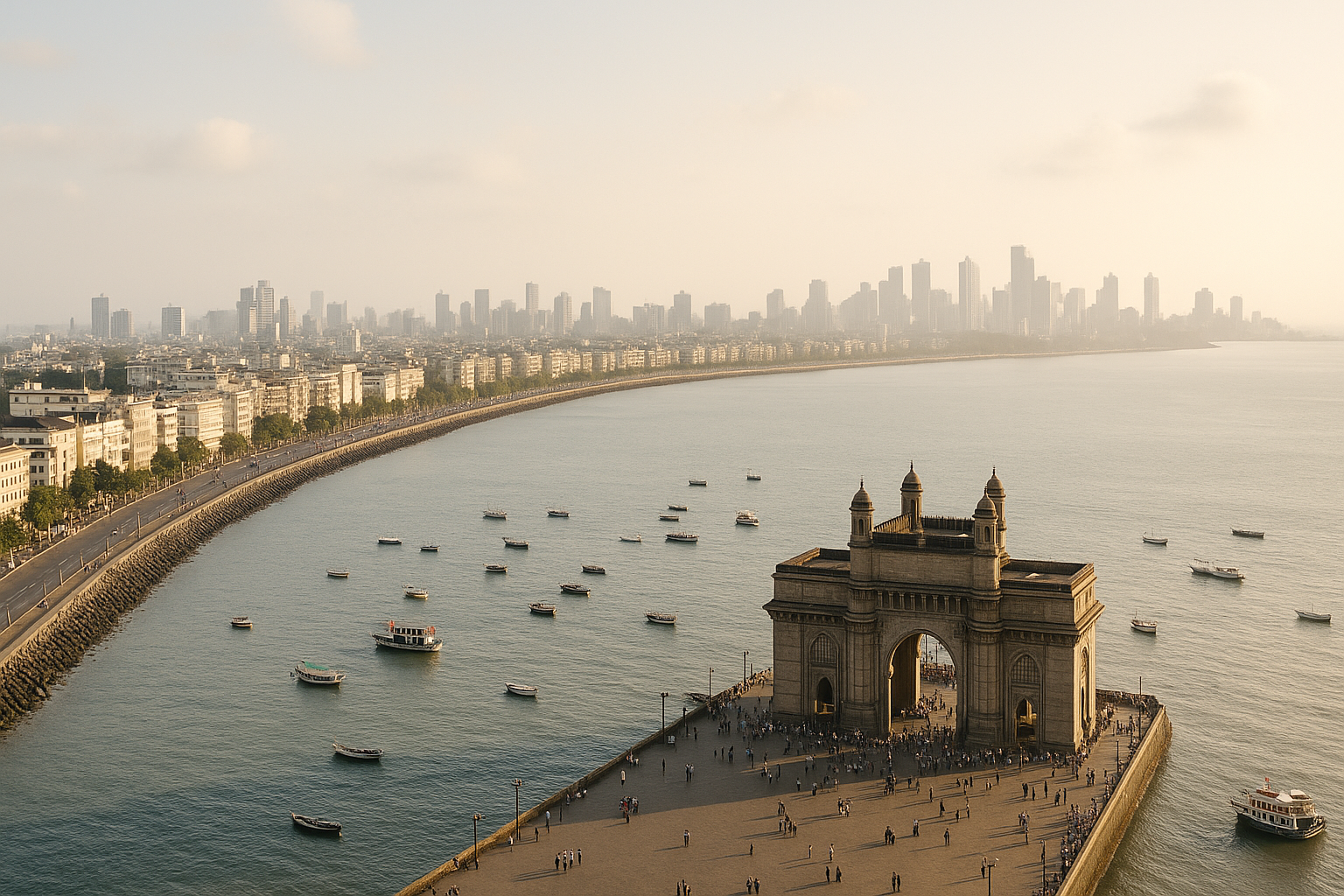
Bombay—a name that still echoes in conversations, songs, and memories—now officially known as Mumbai, is more than just a city. To many, it is India’s beating heart: frenetic, diverse, and perpetually in motion. As global shifts spotlight urban migration, cultural identity, and economic innovation, Bombay’s story grows increasingly relevant in our interconnected world.
What makes this city so intriguing right now? Mumbai has resurfaced in trending dialogues thanks to recent cultural milestones, ongoing debates over its name, and its rising status as an Asian tech and creative hub. I find this fascinating because Bombay is not just a place—it’s a persistent idea, sparking passionate conversations about heritage, progress, and belonging.
What’s Happening
Mumbai (formerly Bombay) is experiencing dynamic change on several fronts:
- Cultural Renaissance: Major Bollywood releases and diaspora-driven art exhibitions have put the city’s creative pulse in international limelight.
- Name Debate: The official renaming from Bombay to Mumbai happened in 1995, but controversy continues. Many citizens and institutions still use "Bombay" out of nostalgia or identity.
- Urban Renewal: Infrastructure projects like the coastal road and metro expansion are rapidly reshaping the city, even as heritage conservation stirs debate.
- Economic Growth: Mumbai remains India’s financial powerhouse, drawing startups and global investors while grappling with inequality and housing shortages.
Key recent developments include new policies for affordable housing, festivals celebrating Marathi and cosmopolitan cultures, and international investments in Mumbai’s tech sector. The world is watching as this ever-evolving metropolis balances tradition and transformation.
Why This Matters
Mumbai’s journey matters globally because it exemplifies the challenges and opportunities emerging megacities face—especially in the Global South. Its growth story is a microcosm of urban migration, economic disparity, and cultural negotiation experienced worldwide.
The tensions underlying the Bombay/Mumbai identity debate reflect deeper questions about language, heritage, and who gets to define a city’s soul. For millions, the city is a hope-filled frontier, but also a landscape of struggle—making its evolution a mirror for countless aspiring urban centers.
Furthermore, Mumbai’s resilience in the face of adversity—be it monsoon floods or social unrest—offers real-world lessons on adaptation and community, resonating in broader global discourse on climate and social change.



