
Introduction
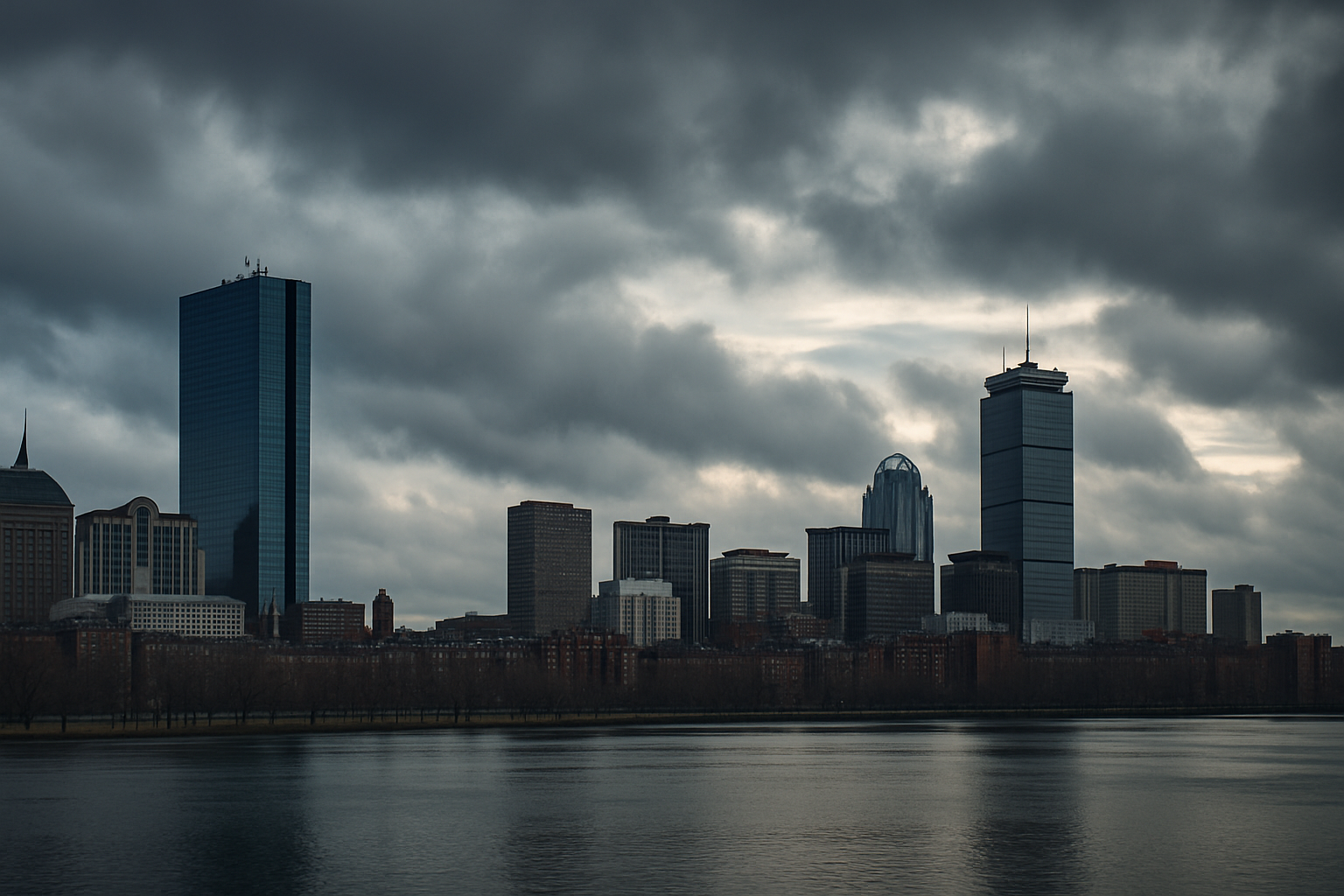
Boston weather is often the subject of jokes, frustration, and admiration all at once—known for being famously unpredictable. Recent headlines are buzzing about record-breaking temperature swings, unusual storms, and how it’s all impacting daily life in the city. As climate events draw more attention, understanding Boston’s changing weather has become more urgent and relevant than ever.
Why does this matter now? The city just experienced a spring with record highs and unexpected chilly snaps. These dramatic fluctuations affect everyone, from commuters and college students to Red Sox fans and marathon runners. Let’s dig into what’s actually unfolding above Boston’s skyline, and why the conversation is shifting right now.
What's Happening
Boston is in the midst of a season marked by dramatic weather events, sparking conversation across local news and social media. Historically, the city’s weather was a mix of snowy winters, mild springs, hot summers, and colorful but crisp autumns. Lately, however, patterns have become more unpredictable—and sometimes more extreme.
- March brought several days in the upper 70s (°F), shattering previous records for warmth.
- Unseasonable cold snaps followed, causing frost advisories even in late April.
- Rainfall has fluctuated, with some neighborhoods facing flash flooding while others had dry spells.
- Intense nor’easters—a regional term for powerful coastal storms—have struck much later (or earlier) than normal, disrupting travel and power.
Local meteorologists are noting the increased frequency of ‘weather whiplash’—temperature and precipitation swings within days. National Weather Service data shows a trend toward less predictable, more volatile weather, echoing broader climate patterns seen across New England and beyond.
Social media amplifies these shifts, with Bostonians turning to Twitter and Reddit to share photos of snow-covered crocuses or backyard thermometers registering summer-like heat in early spring. All these threads are stoking interest and debate: is this the new normal for Boston?
Why This Matters
The changes in Boston’s weather have far-reaching implications for the city’s daily rhythm and its long-term planning. For one, unpredictable weather can complicate transit, school schedules, and outdoor events, challenging residents and city officials alike.
On a broader scale, such volatility puts stress on infrastructure—think: pothole-prone roads, unstable power grids, and water management systems facing both drought and deluge. For a city rich in history but dense in population, being ready for anything the sky delivers is not just a convenience but a necessity.
Moreover, Boston’s universities, tourism sector, and healthcare services—crucial parts of its identity—are all affected by weather extremes. From marathon organizers bracing for unexpected heatwaves to hospitals prepping for spikes in weather-related illnesses, the changing climate’s ripple effects are deeply felt.
Different Perspectives
Climate Scientists
Many point to Boston’s evolving weather as evidence of global climate change. They highlight the increased variability and the fact that extreme events—like intensified nor’easters or historic temperature swings—are aligning with predictive climate models. Their focus is on resilience planning and carbon reduction.



