
Introduction
The ongoing saga of Burmese pythons in Florida has evolved into one of the most fascinating stories in American wildlife management—and this week, it took a compelling turn involving unlikely heroes: possums. These invasive snakes have silently transformed Florida's ecosystems for years, but new scientific efforts are unveiling just how deep their impact goes.
Understanding the trajectory of the Burmese python in Florida matters now more than ever. As researchers deploy creative tracking methods, like using radio-tagged possums to locate these elusive predators, we’re finally getting clearer data on their spread and effects. I find this intersection of ecology, technology, and problem-solving both urgent and revelatory.
What's Happening
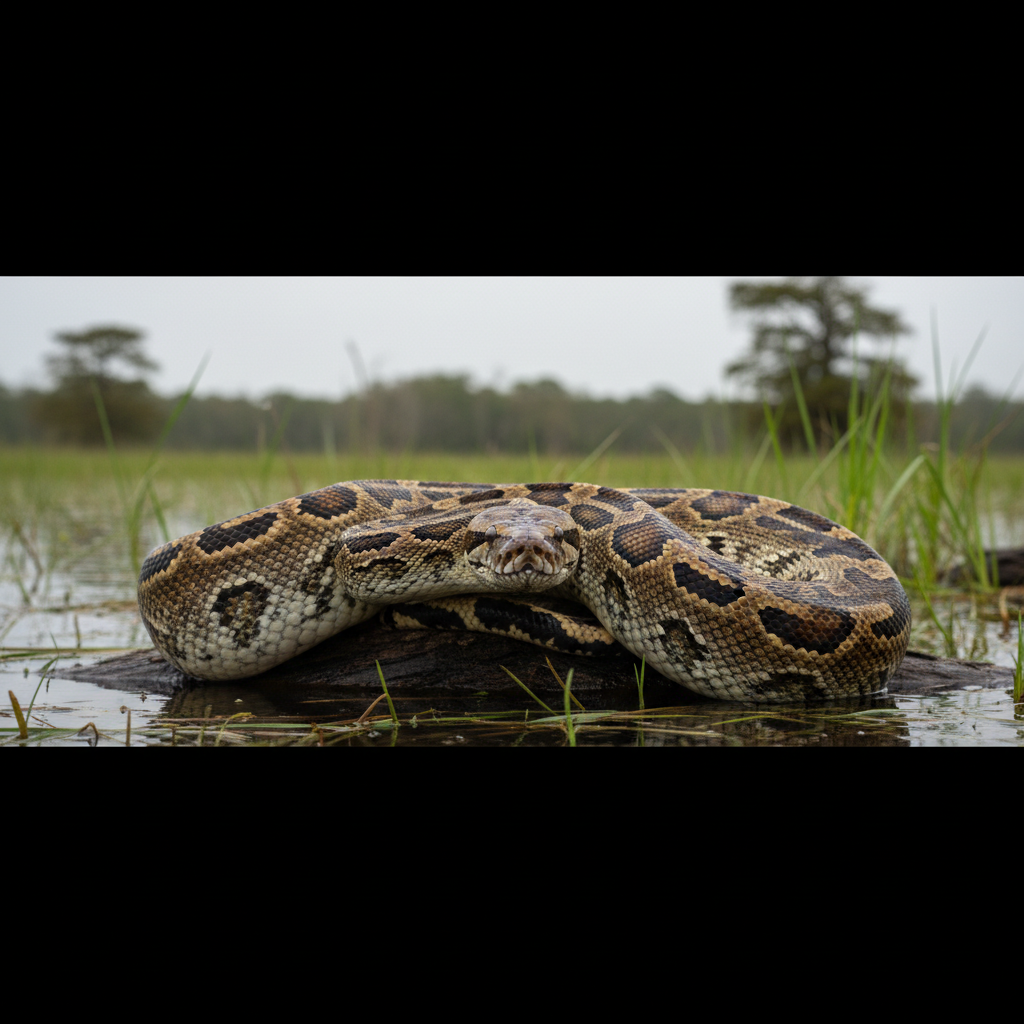
Burmese pythons, originally from Southeast Asia, were first spotted in Florida’s wilds in the late 20th century. Likely introduced via the exotic pet trade, their population has exploded in the Everglades and beyond, spelling trouble for native species.
Key developments include:
- Rapid spread: Burmese pythons have established breeding populations across southern Florida, displacing native predators and preying on a wide variety of wildlife.
- Ecological disruption: Extensive losses of small mammals (like raccoons, marsh rabbits, and possums) have been documented, with studies attributing these declines directly to python predation.
- Possum tracking breakthrough: In a recent headline-grabbing initiative, biologists have started tracking radio-collared possums, not to study them directly, but to use their movements—and sometimes their demise—to locate hungry pythons.
- Government intervention: State and federal agencies continue to invest in removal efforts, research, and public awareness to stem the python invasion.
The possum tracking strategy is both ingenious and sobering. Researchers recover python locations by following signals from tagged possums—frequently finding both the possum (post-predation) and the python in the same spot.
Each step in this process brings new insights into how these snakes navigate, the extent of their diet, and where eradication campaigns might focus most effectively.
Why This Matters
The rise of Burmese pythons in Florida isn’t just a local curiosity—it carries profound ripple effects for biodiversity, ecosystem function, and even the broader public. These snakes sit atop the new food chain, decimating populations of small mammals, birds, and reptiles while facing few natural challenges themselves.
Locals, scientists, and policymakers are grappling with questions about managing invasive species and safeguarding Florida’s fragile landscapes. There’s also an educational angle: tracking programs like the possum project are models of adaptive management that blend innovation with ecological necessity.
Different Perspectives
Conservationists
Conservation experts argue that aggressive intervention is critical. They see the python's spread as a direct threat to endangered species, ecological balance, and Florida’s natural heritage. They’re quick to advocate for increased funding and creative research, such as employing possum trackers and recruiting citizen scientists.



