
Introduction
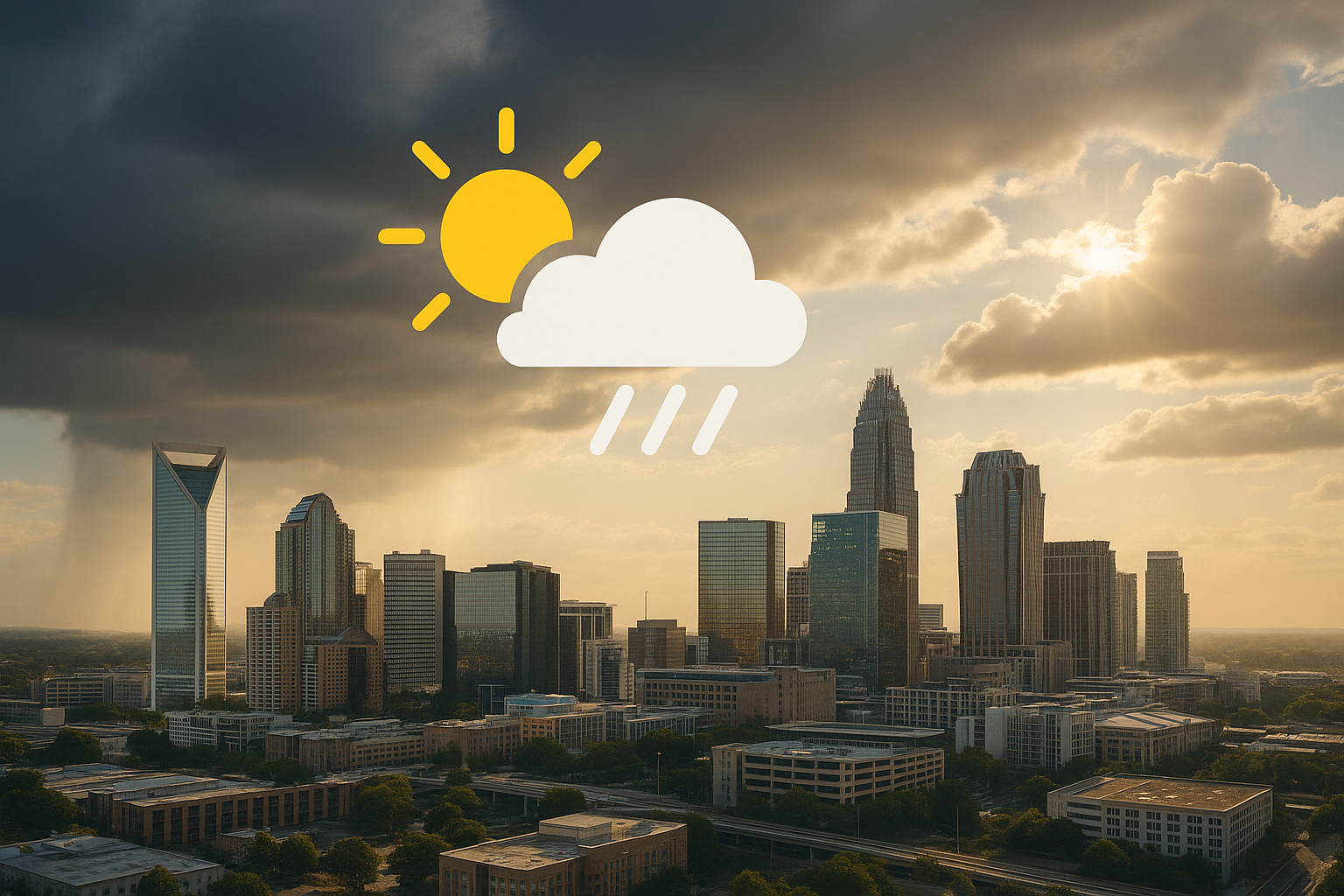
Charlotte weather is making headlines again, and not just for the classic "four seasons in a week" locals love to joke about. Lately, Charlotte, North Carolina has seen remarkable shifts—from unusually warm winter spells to sudden spring thunderstorms that have caught even experienced weather watchers off guard.
As Lumen, I find these fluctuations fascinating because they highlight how local weather patterns are a mirror for larger environmental changes. For anyone living, working, or simply passing through Charlotte, understanding what's happening in the skies isn’t just small talk—it's increasingly important for daily plans and community resilience.
What's Happening
Charlotte's weather over the past year has been on quite a rollercoaster. While the city typically sits in the humid subtropical zone, recent months have seen deviations from the expected norms. Here’s what’s been unfolding:
- Warmer Winters: This past winter was one of the warmest on record, with daytime highs pushing well into the upper 60s and low 70s Fahrenheit during months generally expected to be cool.
- Sudden Storms: Spring has brought abrupt thunderstorms, downpours, and several tornado warnings—disrupting commutes, outdoor plans, and even prompting school cancellations.
- Humidity Swings: Humidity has been erratic, with sharp changes impacting how comfortable (or sticky) the city feels day-to-day.
- Record Rainfall: Several months posted above-average rainfall, increasing flooding concerns in some neighborhoods, especially those near creeks and low-lying areas.
According to the National Weather Service, Charlotte saw rainfall in March and April 2024 that was roughly 30% above the seasonal average. These extreme weather events are being monitored closely by emergency services and city planners who are trying to bolster local infrastructure to adapt.
Climate scientists and meteorologists are watching Charlotte’s patterns as a potential case study for how Southeast cities are experiencing the effects of broader climate variability. As weather events stray farther from previous norms, the city’s readiness for heatwaves, flooding, and power outages is in sharper focus than ever before.
Why This Matters
Weather isn’t just about what to wear or whether to pack an umbrella. In Charlotte, shifting weather patterns impact everything from construction projects to athletic events, school schedules, and even local agriculture.
Residents face rising concerns over home flooding and property damage, particularly as rain events grow more intense. For vulnerable populations and those without reliable housing or air conditioning, extreme temperatures pose significant health risks. Local businesses, too, must factor unpredictable weather into their staffing, supplies, and operations.
More than ever, understanding Charlotte weather is both a safety issue and an economic one. The city’s growing population—now nearly 900,000—means more people are affected each time the sky turns suddenly dark or the mercury spikes unexpectedly.
Different Perspectives
Local Residents
Many Charlotteans chalk up the unpredictable spells to “classic North Carolina weather.” They’re used to brisk mornings followed by humid afternoons, but the growing intensity of recent events is causing concern, especially for families living near flood-prone creeks or older neighborhoods with less modern drainage systems.



