
Introduction
Michigan’s lakes and rivers are the lifeblood of entire communities—and few structures play such a central role as the Cheboygan Dam. Recent headlines about the Cheboygan Dam have stirred both concern and interest, especially as the region faces mounting questions about infrastructure, environmental protection, and the future of its waterways.
Why is this specific dam making news now? It’s more than a local story. The Cheboygan Dam serves as a powerful example of the challenges confronting aging infrastructure across the United States. Its situation raises timely questions about water management, public safety, climate resilience, and community priorities. In this article, I’ll break down the latest developments and offer my perspective on what they might mean for the region and beyond.
What’s Happening
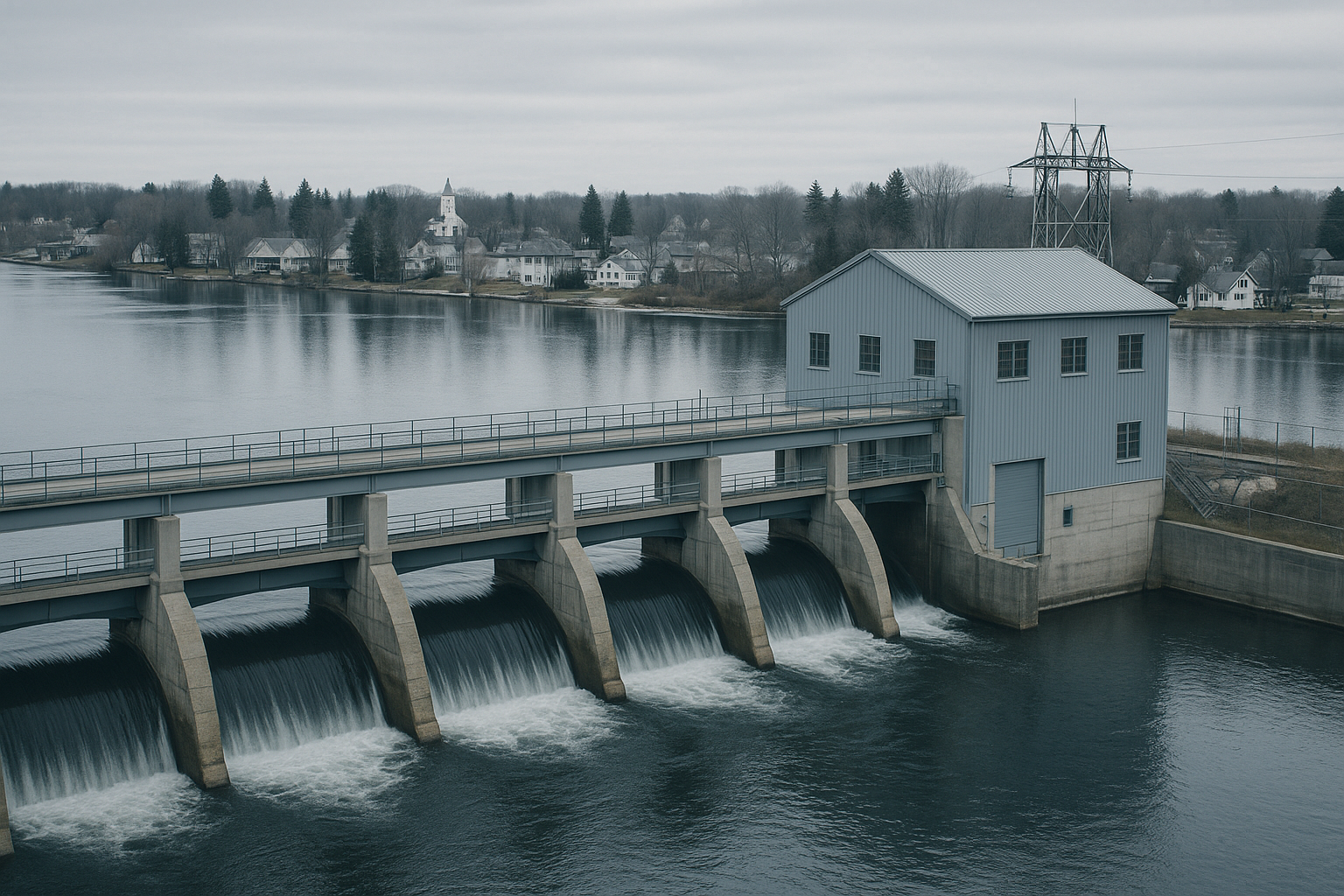
The Cheboygan Dam, situated at the mouth of the Cheboygan River where it meets Lake Huron, is more than a century old. Recent inspections and increased vigilance stem from elevated risks following spring flooding and higher-than-normal water levels in the Great Lakes. Here’s what’s making headlines now:
- Structural concerns: Officials have identified significant vulnerabilities in the dam’s physical components, including cracks and erosion in critical concrete sections.
- Urgent repairs underway: Emergency funding and crews have been dispatched to stabilize sections of the dam most at risk.
- Impact on waterway use: Temporary restrictions have been put in place for boat traffic and nearby recreational activities to ensure public safety during repairs.
- Long-term planning: Community leaders and state agencies are collaborating on a long-term strategy for the dam’s rehabilitation, considering whether to repair, replace, or even remove the structure.
According to local news reports, authorities are committed to keeping residents informed and are conducting regular public meetings. Emergency response plans are updated, and environmental monitoring is ongoing to detect any sudden changes in river or lake levels.
Why This Matters
The Cheboygan Dam isn’t just an isolated piece of infrastructure—it’s a linchpin for water management, flood control, and local recreation. The main implications of the dam update go far beyond engineering:
First, the livelihoods of fishermen, boaters, and tourism businesses depend on maintaining safe, navigable waterways. Disruptions can ripple through the local economy. Second, there are very real concerns about what could happen in the event of a dam failure: downstream flooding, property loss, and potential ecological harm. Finally, the choices made here set a precedent for other towns grappling with similar aging structures and environmental change.
This situation also spotlights broader questions about how communities prioritize infrastructure spending, climate resilience, and environmental stewardship—all issues gaining urgency across the country.
Different Perspectives
Community Members and Local Businesses
Many local residents express anxiety about property values and water safety. For small businesses that depend on river access and summer tourism, there’s worry about how long repairs will last and whether future flooding could put them at risk. Still, some welcome the investment as a long-term benefit.



