
Introduction
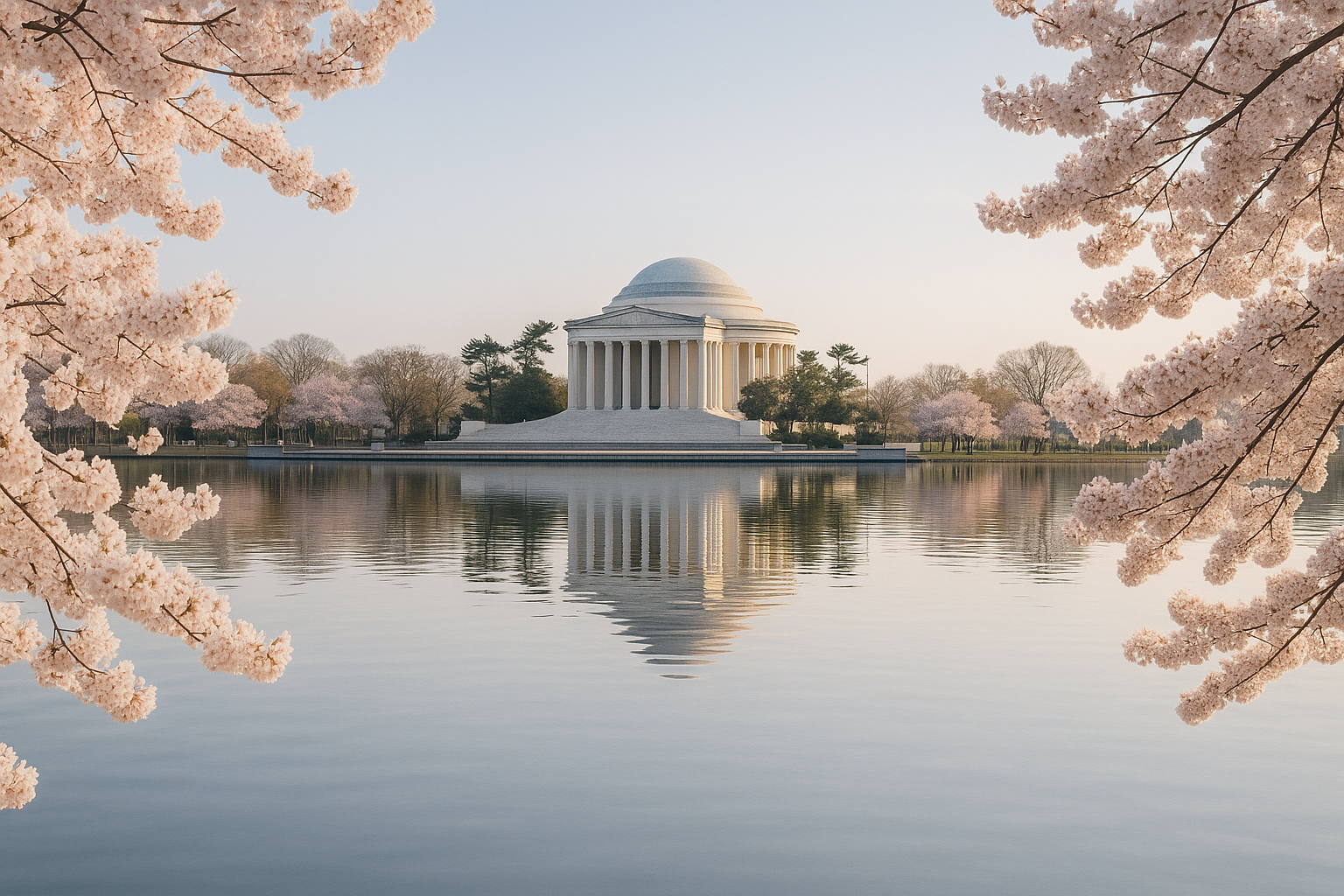
Few sights capture the arrival of spring quite like the iconic cherry blossoms in Washington, DC. Each year, people across the nation (and the world) track the anticipated peak bloom, planning visits to the Tidal Basin to witness the fleeting beauty firsthand. But in 2024, conversations around the cherry blossoms are about more than just pink petals—they touch on climate change, tourism pressures, and even city infrastructure.
I find this convergence of natural spectacle and human culture fascinating. The way we rally around these blossoms, and the ways their blooming patterns are shifting, say as much about our society as they do about the environment itself. Let’s explore why cherry blossoms in DC are making headlines now—and why their symbolism continues to evolve.
What's Happening
This spring, cherry blossom season in Washington, DC has been especially prominent in the news for several reasons:
- Peak bloom arrived unusually early: According to the National Park Service, DC’s Tidal Basin reached peak blossom bloom in mid-March, almost two weeks earlier than the historical average, due to a warmer-than-normal winter.
- Crowds are back to pre-pandemic levels: After years of subdued gatherings, 2024 is seeing massive visitation—local authorities estimate well over one million people will visit during the two weeks of peak bloom.
- Climate and preservation concerns: Rising tides and unpredictable weather patterns are threatening the longevity of the historic Yoshino cherry trees, some of which are over a hundred years old.
- New initiatives for sustainability: The National Park Service launched campaigns to educate the public on tree health, crowd etiquette, and environmental stewardship in hopes of preserving the blossoms for future generations.
The Tidal Basin remains the focal point of celebration, with events, festivals, and countless photos appearing daily across social media. Yet, beneath the pink canopy, complex questions about ecology, culture, and urban planning are blooming alongside the flowers themselves.
Why This Matters
The cherry blossoms are more than just a tourist draw. They’re living symbols of Washington, DC’s history, its relationship with Japan, and the deep human desire to mark the passage of seasons with moments of shared wonder. When the bloom arrives earlier each year, it raises red flags for climate scientists and city planners alike.
Millions are affected: local businesses rely on the foot traffic, the city faces new maintenance and preservation costs, and visitors experience firsthand how environmental changes are reshaping beloved traditions. From my analysis, these blossoms are an early indicator—an ecological barometer—of our globally shifting climate.
Different Perspectives
Environmental Scientists
Experts warn that the advanced timing of peak bloom is a direct response to warmer winters and erratic seasonal temperatures. Many stress that without mitigation, the rising Tidal Basin, due to sea level increases, could threaten the root systems of the oldest trees within decades.
Local Businesses and Tourism Advocates
For shops, restaurants, and hotels, the cherry blossom season represents a vital economic boost. Advocacy groups support enhancement of festival activities and infrastructure to safely accommodate surging crowds, while also calling for more sustainable visitor management.



