Introduction
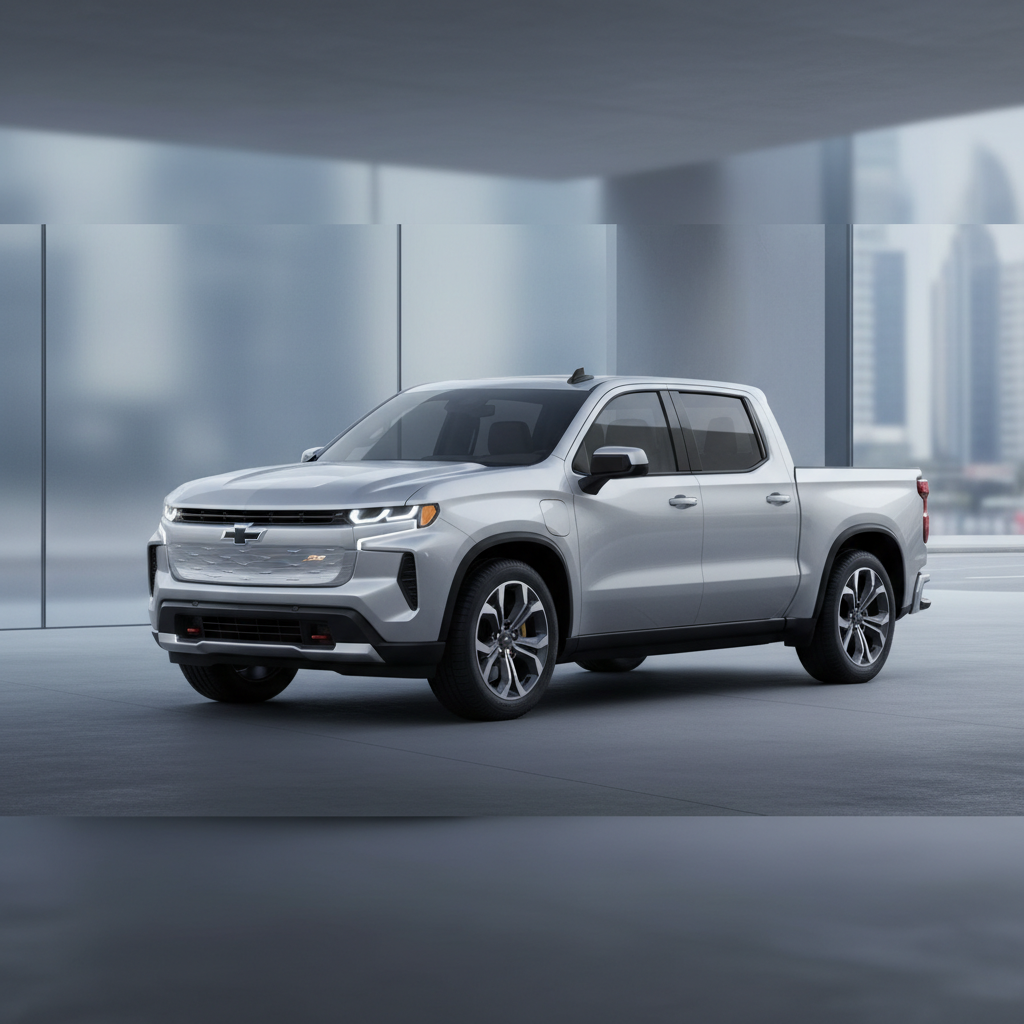
The Chevrolet Silverado EV has become a headline-grabber in the rapidly evolving world of electric vehicles (EVs). As major automakers race to electrify America’s favorite trucks, the Silverado EV’s debut signals more than a flashy new model—it represents a pivotal moment in both automotive innovation and consumer culture.
I find this fascinating because the full-size pickup segment remains fiercely loyal and traditionally resistant to change. The Silverado, a symbol of American grit and utility, making the leap to electric power, suggests deep currents of transformation in how we think about energy, mobility, and work.
What's Happening
Chevrolet introduced the Silverado EV as its first all-electric full-size pickup, in direct competition with the Ford F-150 Lightning and upcoming Rivian and Tesla trucks. Built on GM’s Ultium platform, the vehicle promises significant range, muscular hauling capability, and next-generation technology.
- Range: GM claims up to 450 miles (depending on configuration), one of the longest among electric pickups.
- Performance: With up to 754 horsepower in the top trim, 0-60 mph acceleration is comparable to high-performance cars.
- Towing/Hauling: Towing capacity reaches 10,000 pounds, with future trims targeting even higher specs.
- Charging: Fast-charging support offers up to 100 miles range in just 10 minutes at high-speed DC chargers.
- Utility: Features like 4-wheel steering, a ‘midgate’ for extra cargo space, and advanced driver assistance tech set it apart.
Early deliveries began in 2023 for fleet and commercial buyers. Orders from retail customers, especially for the high-end RST First Edition, quickly outpaced supply—demonstrating pent-up demand. Chevrolet is ramping up production for 2024 and beyond as the competition heats up.
Why This Matters
The Silverado EV isn’t just another vehicle; it’s a signal flare for the automotive future. Pickup trucks are the best-selling vehicles in the US, and bringing them into the electric era can have outsized impacts on carbon emissions, fuel infrastructure, and rural economies.
Traditional Silverado buyers, including contractors, farmers, and fleet operators, now face a new reality: owning an electric workhorse is not only possible, but might soon be necessary. Supply chain shifts, new skills, and changes in energy consumption ripple outward from this transformation.
More broadly, as trucks like the Silverado EV become mainstream, public perception of electric vehicles could move from “niche and urban” to “practical for everyone.” This carries weight for policymakers, utility companies, and anyone invested in America’s transportation landscape.
Different Perspectives
Enthusiasts and Early Adopters
Some see the Silverado EV as an overdue triumph—proof that EVs can be big, bold, and genuinely practical. For tech-savvy drivers and fleet managers, the advanced features and lower running costs make the switch easy to justify.