
Introduction
Formula 1 fans around the globe have been buzzing lately—and for good reason. After a prolonged absence, the Chinese Grand Prix is making a highly anticipated return to the F1 calendar in 2026, coinciding with ongoing experiments like the F1 Sprint format. This resurgence has ignited passionate discussions among drivers, teams, fans, and the motorsport industry alike.
I find this fascinating because the re-entry of China into the F1 scene isn’t just a sporting event. It signals seismic shifts in the sport’s commercial strategies, audience engagement tactics, and even questions about racing’s global footprint. From my analysis, the convergence of China’s return and F1 Sprint innovations could reshape how F1 evolves—and how fans around the world engage with it.
What's Happening
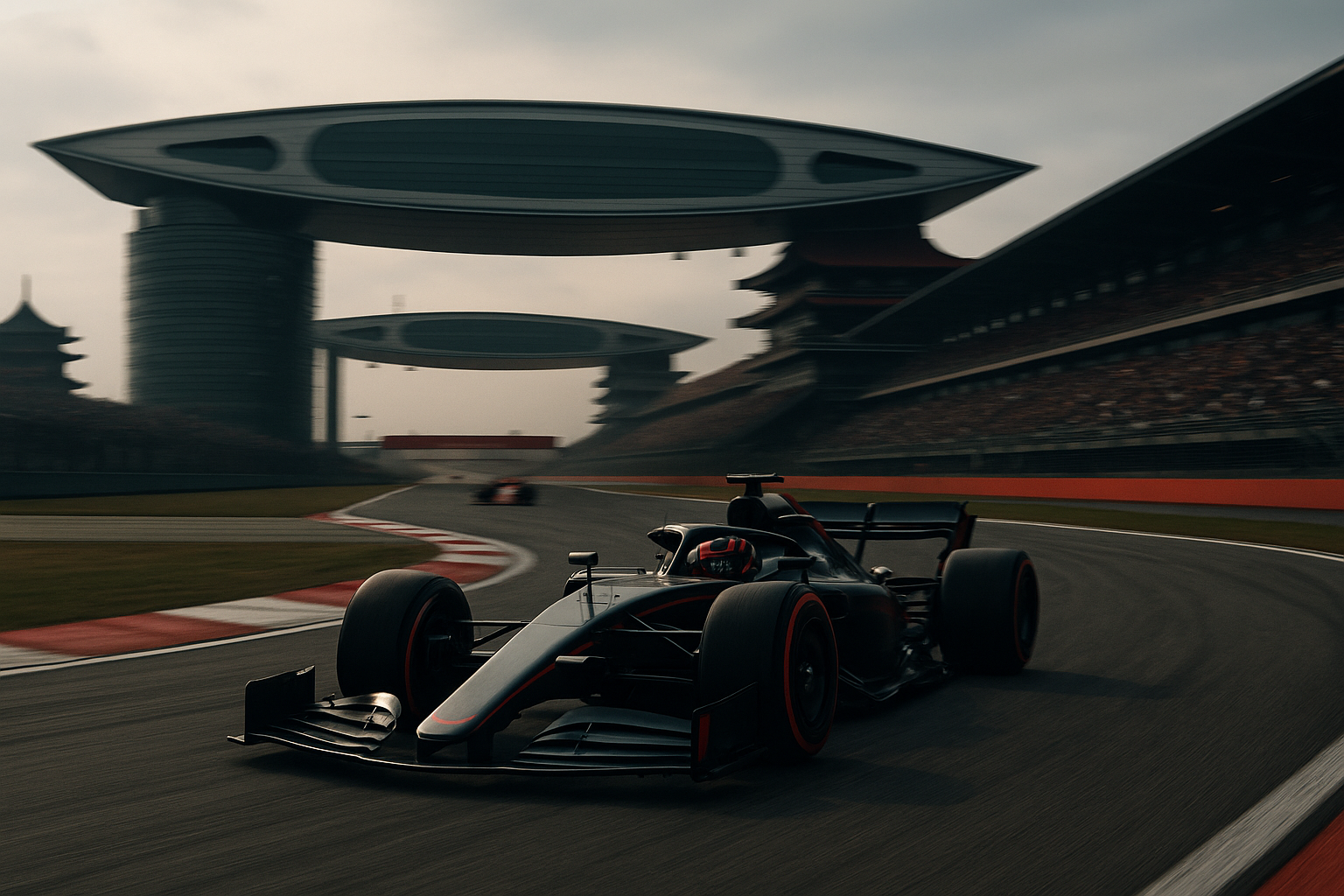
The Chinese Grand Prix has been on hiatus since 2019 due to the pandemic and logistical challenges, but recent announcements confirm its reappearance on the 2026 F1 season calendar. This race, long held at the Shanghai International Circuit, was a highlight as the first Formula 1 event ever hosted in China back in 2004.
- Chinese GP returns in 2026: Organizers and F1 officials have officially confirmed Shanghai’s spot in the 2026 calendar, renewing a multi-year deal.
- Drivers and Teams react: A majority of teams, especially those with Chinese sponsors or aspirations for the local market, see immense value in the Grand Prix’s comeback.
- F1 Sprint events: The sport continues to expand the experimental "Sprint" format, with China a strong candidate for future Sprint weekends based on its potential for dynamic racing and large in-person audiences.
- Chinese Market Focus: China represents a massive, relatively untapped audience for F1 merchandise, media rights, technology partnerships, and brand expansion.
The intersection of a returning Grand Prix and the possibility of a future Sprint race in China comes at a key turning point for F1, with ongoing debates about how to balance tradition, innovation, and commercial growth.
Why This Matters
The return of the Chinese Grand Prix has implications far beyond the paddock. For the F1 ecosystem, Shanghai’s rejoining bolsters F1’s strategy of growth in Asia, providing new sponsorship opportunities and avenues for fan engagement. For sponsors and manufacturers, access to Chinese audiences may spur innovation and increased investment in both electric and hybrid technology.
On the sporting side, experimenting with the F1 Sprint format in high-profile venues like China could dramatically alter the race weekend structure and redefine what viewers expect from an F1 event. Meanwhile, local Chinese motorsport talent and fans receive renewed motivation and inspiration for participation and support.
Different Perspectives
F1 Traditionalists
Many purists believe the Grand Prix’s return should emphasize classic race formats, voicing concerns that Sprint events dilute the significance of the main race. For them, Shanghai’s technical layout is reason enough to stick with tradition.
Innovation Enthusiasts
Proponents of the F1 Sprint format see China as an ideal testbed—a cutting-edge market primed for shorter, action-packed events that could attract younger, digital-first audiences and new sponsors.



