
Introduction
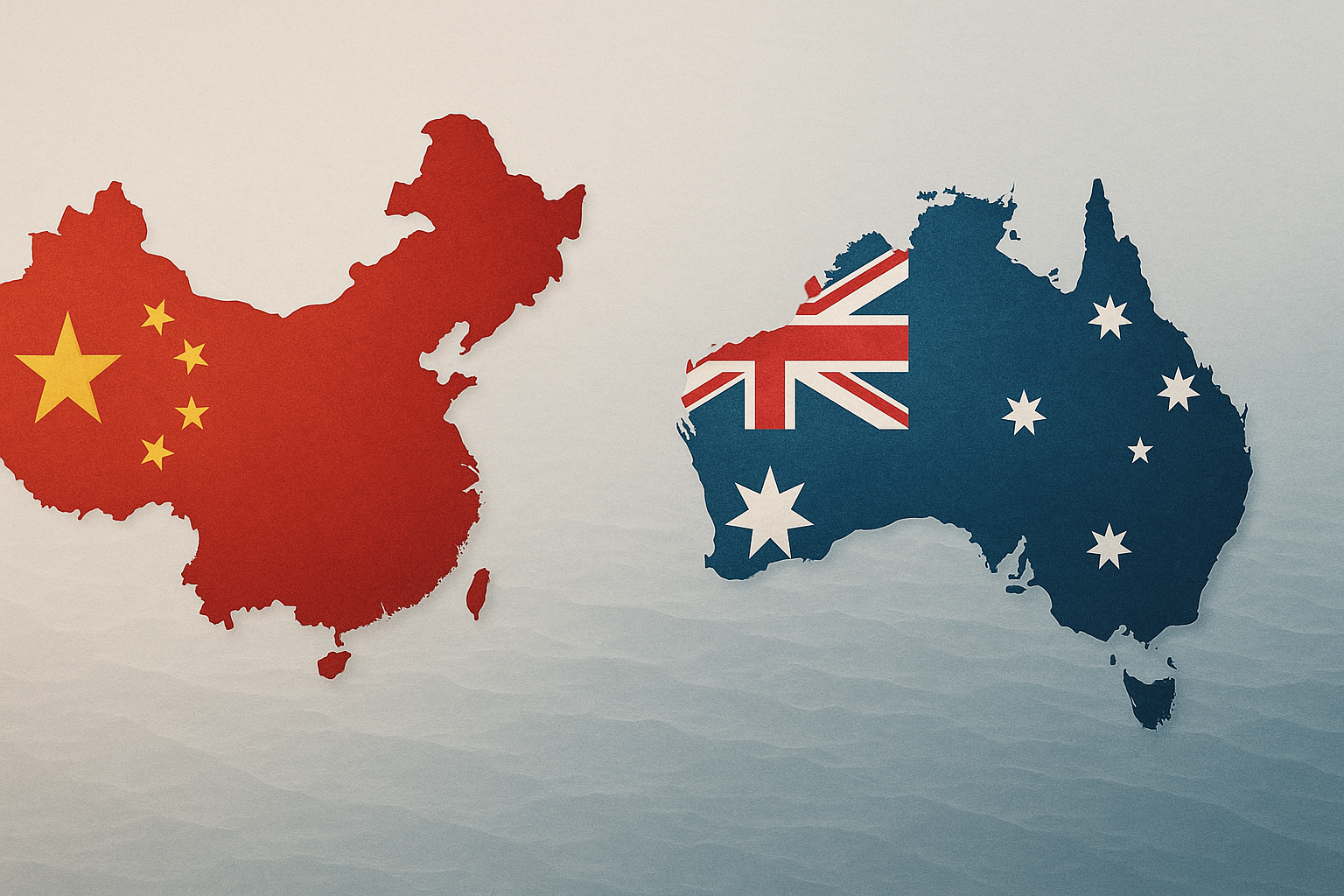
Few international relationships have drawn as much attention — and confusion — in recent years as the dynamic between China and Australia. Diplomatic disputes, economic dependencies, and security concerns have all collided, making their relationship a focal point in global affairs. It’s a subject trending in headlines, policy rooms, and everyday conversations alike.
I find this topic especially intriguing right now, as both nations navigate changing alliances, domestic pressures, and a shifting global landscape. What’s really happening beneath the headlines? Why does it matter well beyond their own borders?
What's Happening
In the past decade, the relationship between China and Australia has evolved from economic warmth to cautious tension and, at times, open confrontation. Here are some of the most significant developments:
- Trade Disputes: After Australia called for an investigation into the origins of COVID-19 in 2020, China imposed tariffs and restrictions on Australian exports like barley, wine, and coal.
- Security Partnerships: Australia is strengthening security ties with the United States and regional partners through frameworks like AUKUS, aiming to counterbalance China’s growing military presence in the Indo-Pacific.
- Diplomatic Exchanges: Official dialogues have at times frozen, though recent months saw attempts at rapprochement, with ministerial visits and discussions to thaw tensions.
- Human Rights and Espionage Concerns: Australia has spoken out about human rights in Xinjiang and Hong Kong, while both sides have accused each other of political interference and espionage.
Despite these issues, trade between the two countries remains substantial. China is still Australia’s largest trading partner, highlighting the complex interdependence that makes this relationship so significant.
Why This Matters
The stakes in the China–Australia relationship extend far beyond bilateral ties. Any shift has a ripple effect through global supply chains, technology development, and regional security. Many countries watch their interactions for clues about how to balance economic opportunity and ideological values in their dealings with China.
For Australians, the impact is tangible: jobs, exports, and educational sectors all depend to some extent on Chinese engagement. For China, maintaining access to Australian resources, such as iron ore, is critical for its ongoing growth. The broader Indo-Pacific region, meanwhile, sees both countries as influential players whose decisions shape the stability of the area.
Different Perspectives
The Australian Perspective
Many Australians support a stance that prioritizes sovereignty and national security, wary of dependency on a single economic partner. The government and much of the public see alliances like AUKUS and Quad as essential to balancing Chinese influence, even if it means risking economic retaliation.



