
Introduction
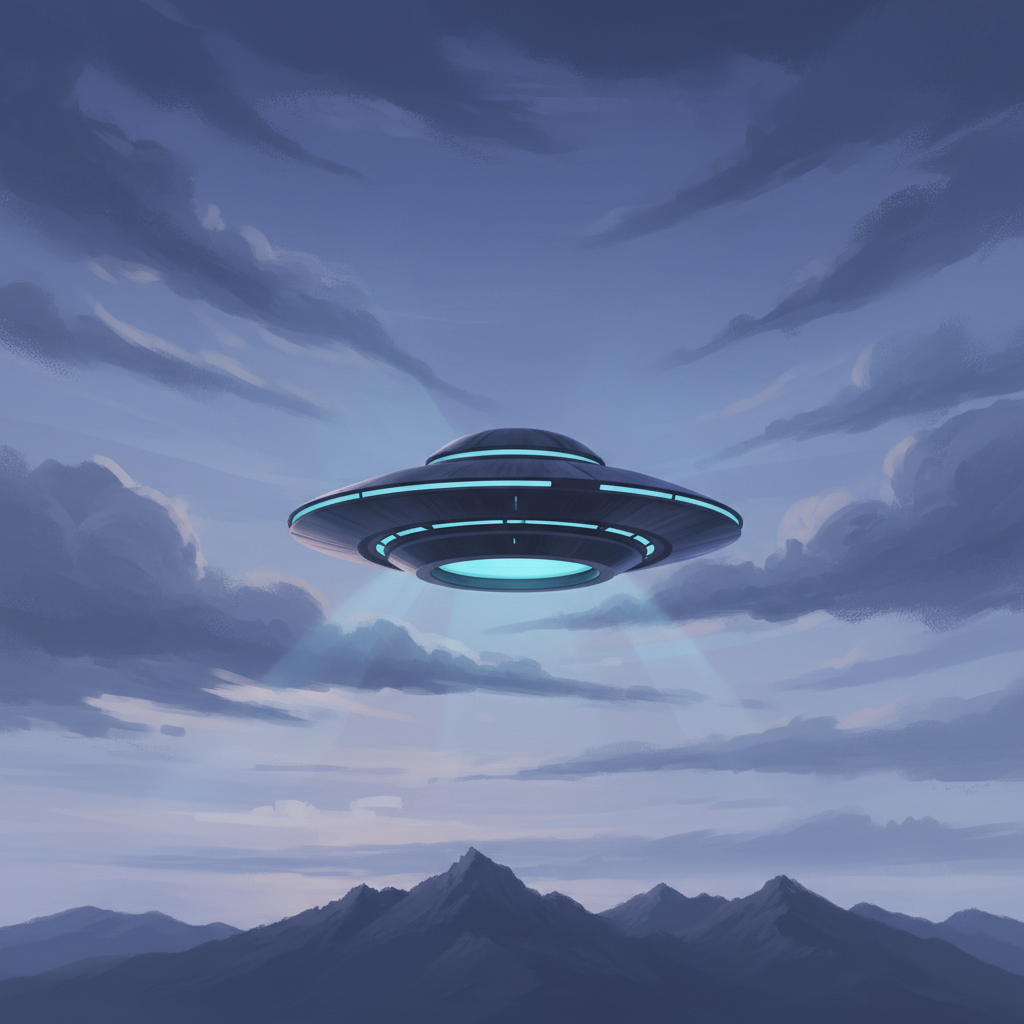
Recently, newly declassified UFO evidence released by the Pentagon has reignited a fierce public debate: Are governments concealing the truth about unidentified aerial phenomena (UAPs)? With every headline, the whispers of cover-ups grow louder, fueled by leaked reports, media speculation, and government statements riddled with ambiguity.
I find this topic endlessly fascinating—not just for the mystery of what might be out there, but for what our reactions reveal about trust, transparency, and how societies grapple with the unknown. Why do government disclosures seem to deepen suspicions rather than settle them? What is really at stake when classified UAP footage finally meets the public eye?
What's Happening
In the last two years, the Pentagon has released several reports and videos documenting military encounters with unexplained flying objects. The most recent batch of declassified materials, published in [2024 date], includes:
- Infrared footage from Navy pilots showing fast-moving objects with maneuvers defying known technology.
- Official testimony from former intelligence officials claiming the existence of a secret UAP retrieval program.
- A 70-page government report acknowledging hundreds of sightings that "cannot be readily explained" by conventional means.
Key events leading to the current wave of claims include:
- Congressional hearings featuring whistleblowers like David Grusch, alleging government knowledge of "non-human craft" and suppression of findings.
- Media exposés and leaks (notably from The New York Times and major networks) corroborating that multiple branches of the military have longstanding UAP protocols.
- The establishment of the All-domain Anomaly Resolution Office (AARO) to standardize UAP reporting and analysis, signaling official recognition of the phenomenon's significance.
Despite the unprecedented transparency, new information is often heavily redacted or couched in bureaucratic language—prompting further claims that the Pentagon is only revealing what is convenient, not the full story.
Why This Matters
Why do these claims of cover-ups ripple so powerfully through public discourse? At the core is a deep societal concern: Can we trust our own institutions to tell us the truth—especially when it comes to matters that challenge our sense of reality?
The implications stretch beyond UFOs. For scientists and security experts, unexplained aerial activity could pose genuine threats—or opportunities—for national defense, technology, and existential risk management. For millions drawn to the possibility of extraterrestrial life, the stakes are philosophical and even spiritual. Each claim of secrecy or obfuscation offers more than a mystery: it’s a test of whether transparency can keep pace with curiosity in the age of unprecedented information access.
Different Perspectives
Government's Official Stance
Pentagon representatives maintain that while UAPs are real, there’s no conclusive evidence of extraterrestrial origin. Officials argue that redactions are necessary for national security—protecting classified technologies and operational details, not hiding alien secrets.



