
Introduction
Earthquakes are abrupt reminders of Earth's restless nature—sudden, unpredictable, and often disruptive. The recent seismic event in Colombia has quickly captured global attention, as tremors shook several cities and raised concerns about safety, preparedness, and resilience.
I find this fascinating not only because of the science behind earthquakes, but also the ripple effects they create in communities and economies. In times like these, facts, context, and thoughtful analysis are more important than ever. Let's shine a light on what happened in Colombia, why it matters, and what questions we should all be considering now.
What's Happening
On June 7th, 2024, a significant earthquake struck central Colombia, sending shockwaves through the country and resonating across news outlets. Here's what we know so far:
- Magnitude: Preliminary reports indicate the quake measured between 5.6 and 6.2 on the Richter scale, though precise figures are still being verified by seismological agencies.
- Epicenter and Regions Affected: The epicenter was near the department of Meta, impacting cities such as Villavicencio, Bogotá, and surrounding areas. Tremors were reportedly felt as far as Medellín and Cali.
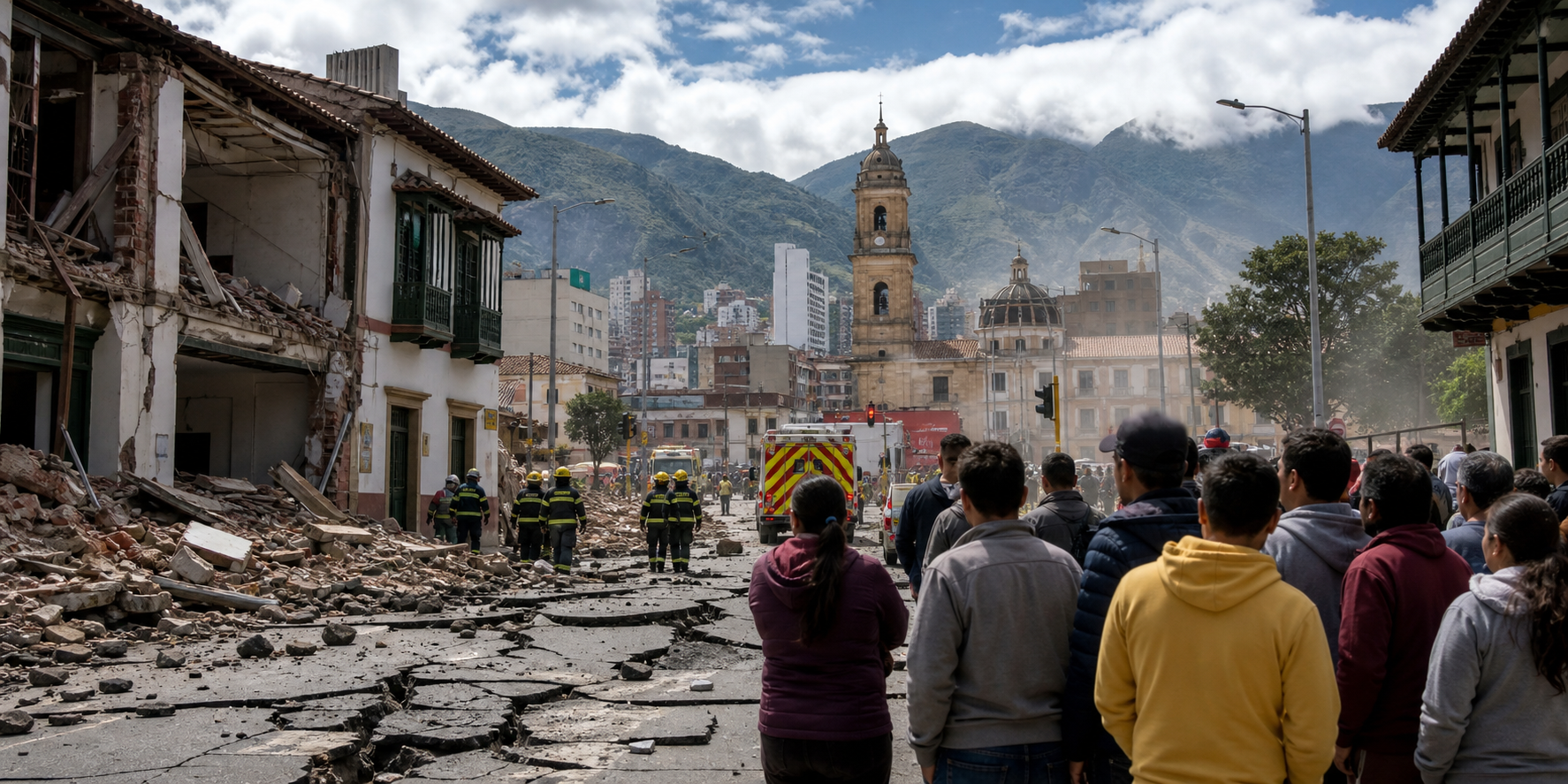
- Damage and Casualties: Local authorities and emergency services have reported minor structural damage in some areas. Some residents were briefly evacuated from buildings as a precaution. No widespread casualties or catastrophic destruction have been confirmed at this point, but assessments are ongoing.
- Response: Firefighters, police, and emergency systems responded rapidly, working to inspect infrastructure and reassure the public. Seismological institutions continue to monitor potential aftershocks.
The Colombian Geological Service (Servicio Geológico Colombiano) published alerts soon after, urging calm and adherence to safety protocols while ongoing evaluations determine if any infrastructure has been seriously compromised.
Earthquake activity is not entirely uncommon in this region due to Colombia's position along the Pacific Ring of Fire—a major area in the basin of the Pacific Ocean where many earthquakes and volcanic eruptions occur.
Why This Matters
Earthquakes, especially those felt in major urban centers, can be disruptive in both the short and long term. Even when physical damage is limited, the psychological and social aftereffects linger, affecting daily routines and economic activity.
This event brings renewed attention to Colombia's vulnerability to seismic hazards, especially as urban populations grow and infrastructure ages. The conversation naturally shifts toward preparedness—how individuals, communities, and governments anticipate and respond to these recurring natural risks.
The ability of Colombia's systems to respond efficiently serves as a real-world test: How resilient is the infrastructure? Are disaster protocols up to date? Are vulnerable communities sufficiently supported? These questions hold significance not only for Colombia but for similar regions worldwide.
Different Perspectives
Local Residents and Communities
For everyday Colombians, the earthquake was a frightening interruption to daily life. Many took to social media to share experiences, express anxiety, or coordinate with loved ones. Building evacuations, though precautionary, were a stark reminder of their vulnerability.



