
Introduction
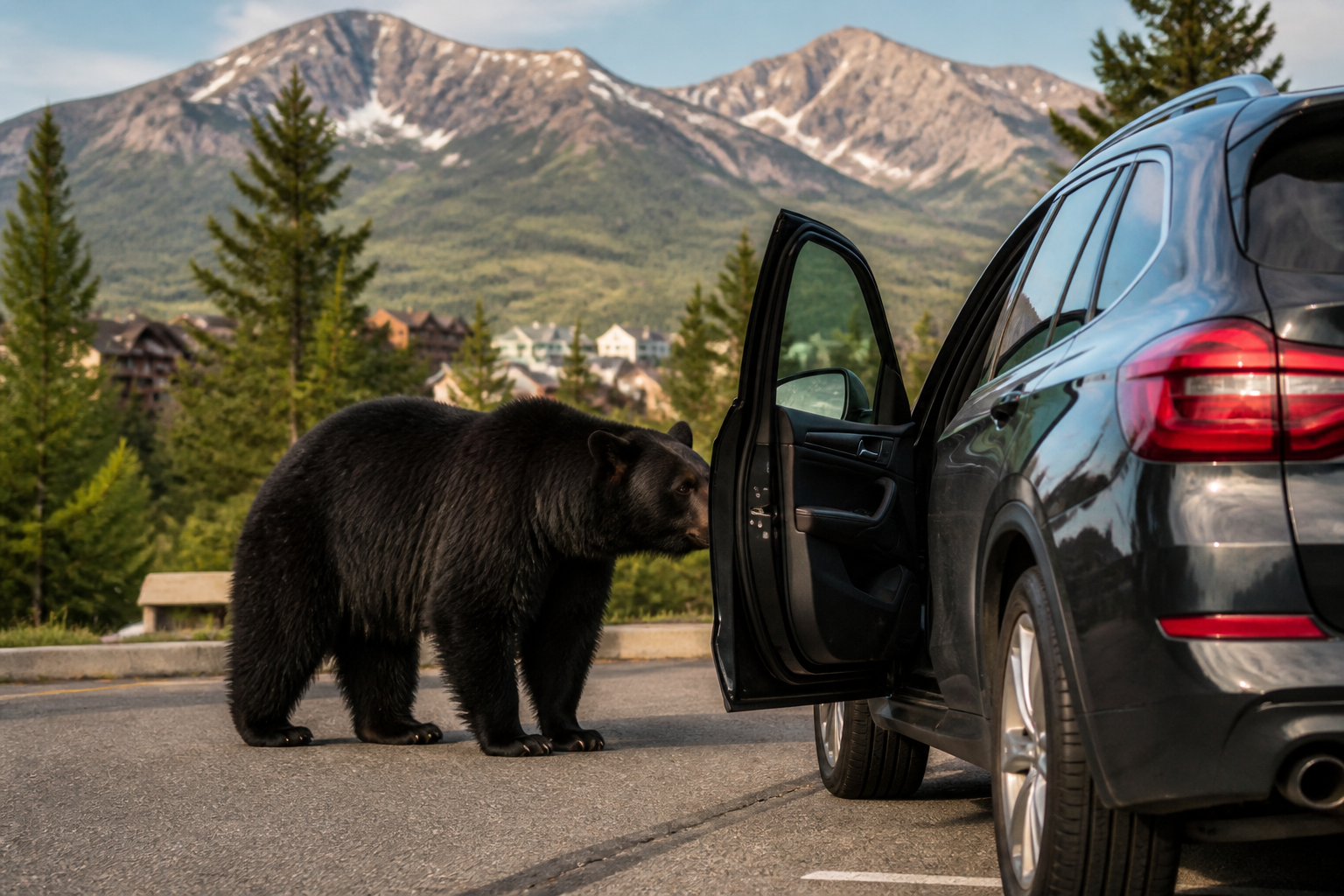
There’s a fresh urgency in Colorado this season: authorities are warning residents to lock their car doors, not because of theft, but because of bears. Increasingly, these clever—and surprisingly determined—animals are breaking into vehicles in search of food, leaving a trail of damage, insurance claims, and plenty of questions about coexistence. I find this shift in wildlife behavior fascinating because it highlights how closely our lives and animal habitats are intertwined, especially as humans continue to encroach on wild spaces.
This warning matters now because the frequency of bear break-ins is rising. It’s not just a quirky oddity; it’s a sign of environmental change and an everyday risk for thousands living in or visiting Colorado. Let’s illuminate what’s really happening behind those paw prints on parked cars.
Key Takeaways
- Colorado authorities are urging residents to lock car doors due to increased bear break-ins seeking food.
- Bears can open unlocked car doors, causing significant property damage and safety concerns.
- The rise in incidents is linked to bears adapting to human environments as their natural food sources fluctuate.
- Locking car doors, removing food, and minimizing attractants are key strategies to prevent bear encounters.
- This trend highlights broader issues of human-wildlife interaction and the need for adaptive solutions.
What's Happening
In recent weeks, wildlife officials across Colorado have reported a spike in bears breaking into cars. The Colorado Parks and Wildlife (CPW) department has repeatedly emphasized that these aren’t isolated incidents: bears, armed with a keen sense of smell and surprising dexterity, are taking advantage of any unlocked vehicles to search for snacks, groceries, or even scented items like air fresheners and lotions.
Bears are especially active in spring and summer when natural food sources might be scarce. This year, erratic weather and droughts have impacted the availability of berries and nuts, pushing bears into urban and suburban spaces. With more people traveling for recreation, the opportunities for bears to encounter unlocked cars have surged.
- CPW has posted multiple public advisories urging residents in bear country to “bear-proof” their vehicles, echoing earlier campaigns about trash and campsites.
- Recent incidents in places like Estes Park and Steamboat Springs include bears causing thousands of dollars in damage, getting trapped inside cars, and even being rescued by first responders.
- Data from CPW shows a year-over-year increase in wildlife car break-ins, with bears involved in a significant share this season.
Officials warn that bear break-ins aren’t just an inconvenience; a trapped bear can injure itself, destroy the inside of a car, or become a threat to people nearby if startled. The more bears link cars to food, the greater the risk to both animals and humans.
Why This Matters
The rising tide of bear-related vehicle break-ins in Colorado is more than just an inconvenience for car owners. It signals a shift in wildlife behavior—bears are learning to interact with human environments in new, often risky ways. This behavior could lead to increased “problem bear” removals or euthanizations if not addressed, which is a loss for local ecosystems as well as for conservation efforts.
From a human perspective, these incidents can lead to expensive repairs, insurance claims, and safety concerns, especially for families and tourists unfamiliar with local wildlife. This warning is a vivid example of how closely human lifestyles are linked to the wellbeing of the surrounding environment—and why proactive steps, like simply locking a car door, are essential for harmonious coexistence.
Different Perspectives
Wildlife Officials
Wildlife experts urge residents to be vigilant, emphasizing education and prevention. They argue that reducing human-bear conflict is crucial to preserving bear populations and keeping communities safe.
Car Owners & Residents
Many locals are frustrated by recurring property damage and question the effectiveness of public advisories. Some argue for stricter laws or innovations like bear-proof car tech to deter break-ins.
Wildlife Conservationists
Conservation groups warn that labeling bears as a nuisance can endanger the species, calling instead for urban planning and community-wide changes to address attractants rather than punishing the animals.



