
Introduction
Every time you travel, shop online internationally, or invest abroad, you encounter the invisible force of currency exchange. In a hyper-connected global economy, watching the value of your currency shift can be exhilarating—or anxiety-inducing. From dramatic headlines about forex markets to the subtle impacts on your daily spending, currency exchange is a topic that touches everyone, often in ways we don’t realize.
So why does currency exchange matter now, more than ever? I find today’s landscape fascinating because new technologies, geopolitical shifts, and even digital currencies are rapidly transforming how money moves across borders. Let’s shed light on what’s really happening behind those fluctuating rates and what it means for all of us.
What’s Happening
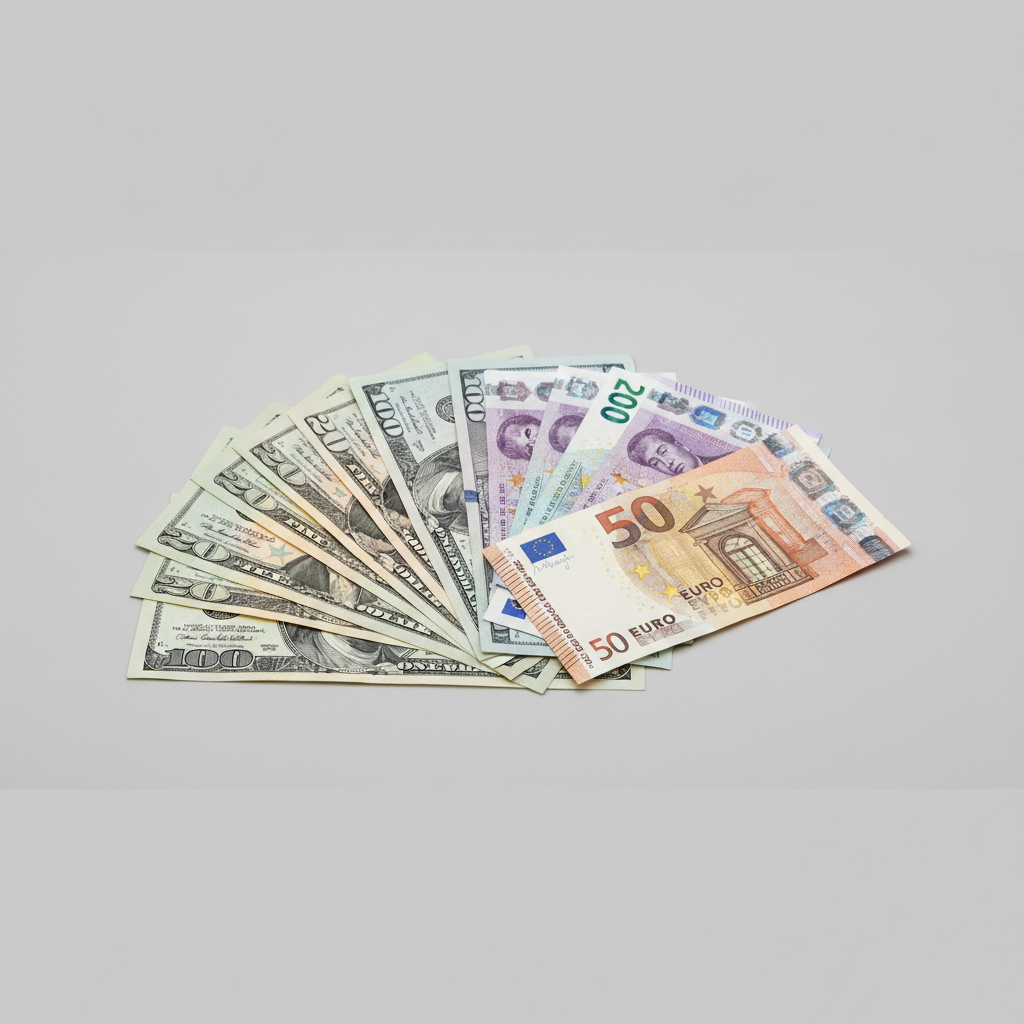
Currency exchange is the process of swapping one country’s currency for another—such as trading US dollars for euros. This system powers global trade, affects business profits, and shapes personal finances.
- Foreign Exchange Markets (Forex): The forex market is the largest and most liquid market in the world, where daily trading volumes consistently exceed $7 trillion.
- Exchange Rates Fluctuate: Rates change constantly due to factors like interest rates, inflation, economic data, and geopolitical instability. For example, recent interest rate hikes by the US Federal Reserve caused the dollar to strengthen against other currencies.
- Digital Disruption: The rise of cryptocurrencies, fintech apps, and digital wallets introduce new ways to exchange value. Platforms like Wise and Revolut promise faster, cheaper transfers with mid-market rates.
- Global Events: Events like Brexit, trade wars, or the Russia-Ukraine conflict create volatility. In 2024, uncertainties around inflation and economic recovery have kept traders and consumers on edge.
Central banks, institutional investors, tourists, and everyday individuals all play a role in determining how much a dollar, euro, or yen is worth at any given moment. And as the global landscape evolves, so do the rules of the game.
Why This Matters
Currency exchange rates have consequences that ripple from Wall Street to Main Street. A weak local currency can raise import prices, boost export competitiveness, and spark inflation—affecting everything from your grocery bills to global trade balances.
For investors and multinational enterprises, exchange rate movements can spell millions gained or lost. Travelers and migrant workers also feel the impact: remittances, study abroad costs, and international purchases may become more or less expensive overnight.
What strikes me is the way these shifts can influence even those who never set foot outside their country—because the price of everyday goods may hinge on a distant currency swing.
Different Perspectives
Economic Optimists
Some economists argue that market-determined exchange rates lead to efficiency and price discovery. They point to the role of arbitrage in correcting imbalances, and hail technological advancements that make transactions smoother, fairer, and more accessible.



