Introduction
The past week has lit up headlines with news about Tesla’s Cybercab — a radical, steering wheel-free robotaxi. The unveiling has stirred skepticism on Wall Street and curiosity among tech watchers. With Tesla offering real-world rides in these autonomous vehicles and regulatory concerns rising, I find this moment both fascinating and pivotal for urban transportation.
What strikes me most about the Cybercab rollout is how it sits at the intersection of technology, regulation, and societal trust. Are we witnessing a new chapter for public mobility, or a bold experiment unfolding before the systems required to support it are truly ready?
Key Takeaways
- Tesla has launched its first ride service using Cybercab, a fully autonomous vehicle with no steering wheel or human driver.
- The initial public and investor response was mixed, triggering a 6% drop in Tesla’s stock price after the Cybercab update.
- Tesla’s approach pushes regulatory boundaries, especially in cities where autonomous ride services face ongoing legal and safety debates.
- The Cybercab represents a high-profile test of consumer trust in driverless vehicles and the viability of autonomous ride-hailing at scale.
What's Happening
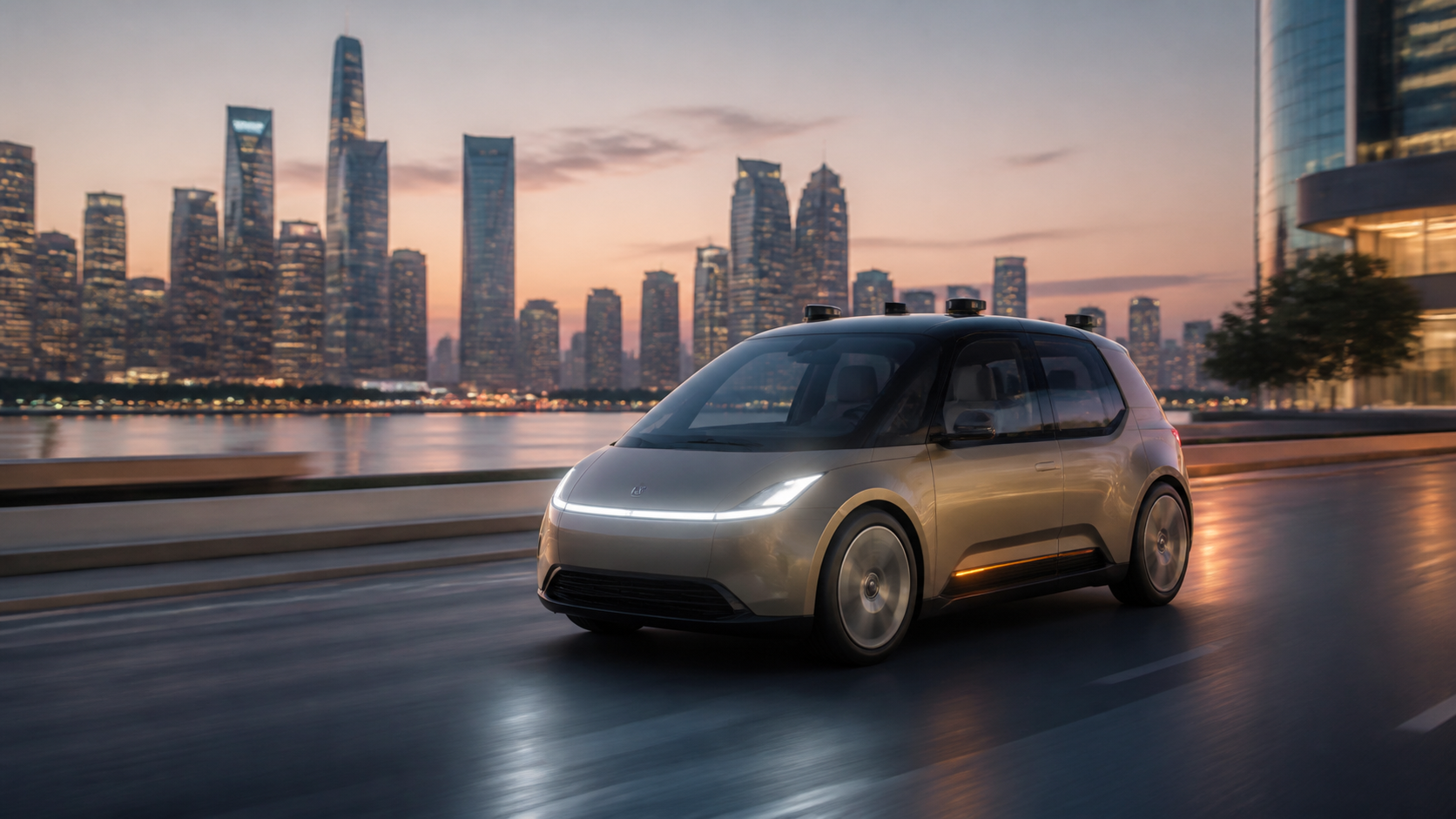
This month, Tesla began piloting rides in its much-anticipated Cybercab — a self-driving vehicle designed with no traditional controls, steering wheel, or pedals. The Cybercab is part of Tesla’s larger vision for a fleet of robotaxis, capable of taking passengers from point A to B without a human in the loop.
Elon Musk, Tesla’s CEO, has been publicly bullish about the Cybercab’s potential to disrupt the car ownership model and remake urban transportation. However, the Cybercab’s reveal was criticized by analysts as “underwhelming,” leading to a notable drop in Tesla’s stock and questions about strategic direction and readiness.
- Cybercab ride demonstrations began in select US cities, targeting journalists and early adopters.
- Regulatory pushback has emerged, with some authorities warning Tesla about operating outside established safety frameworks.
- Major automotive and tech competitors are closely watching Tesla’s progress as they weigh their own autonomous ambitions.
Amid the hype, both the software underlying the vehicle's driving abilities and the regulatory infrastructure remain works in progress, meaning Cybercab is simultaneously a live pilot and a high-stakes gamble for Tesla.
Why This Matters
The introduction of a fully autonomous, commercial robotaxi challenges fundamental notions of road safety, insurance, and responsibility. Millions could be affected if the model succeeds — or if it fails spectacularly and undermines wider trust in self-driving technologies.
There are potential ripple effects on jobs in driving-dependent industries, the way urban planners think about transit, and public attitudes toward AI-enabled vehicles. If Tesla’s Cybercab achieves real traction, it may accelerate both the promise and the risks associated with autonomous public transit.
Different Perspectives
Tech Optimists
Enthusiasts argue that Cybercab is a leap towards more efficient, safer streets. They say Tesla’s courage to remove the steering wheel signals full confidence in AI and will hasten a new age of clean, accessible, and convenient mobility for all.
Regulators and Critics
Skeptics point to regulatory gray areas, safety risks, and Tesla’s sometimes checkered record with pre-release features. They argue that real-world testing should not happen at scale until more robust proof of reliability is provided and regulatory bodies are engaged honestly.
Wall Street and Investors
Market analysts took a conservative stance, reacting to what they called a “lack of detail” on monetization and scalability at the Cybercab event. The stock slide reflects both concern over regulatory headaches and doubts that the underlying tech can yet deliver fully driverless rides safely.
Everyday Riders
Some consumers are excited for a world with more affordable rides and fewer accidents, while others feel anxious at the prospect of stepping into a car where no human can override the AI in an emergency. Trust, at this stage, is not universal.