
Introduction
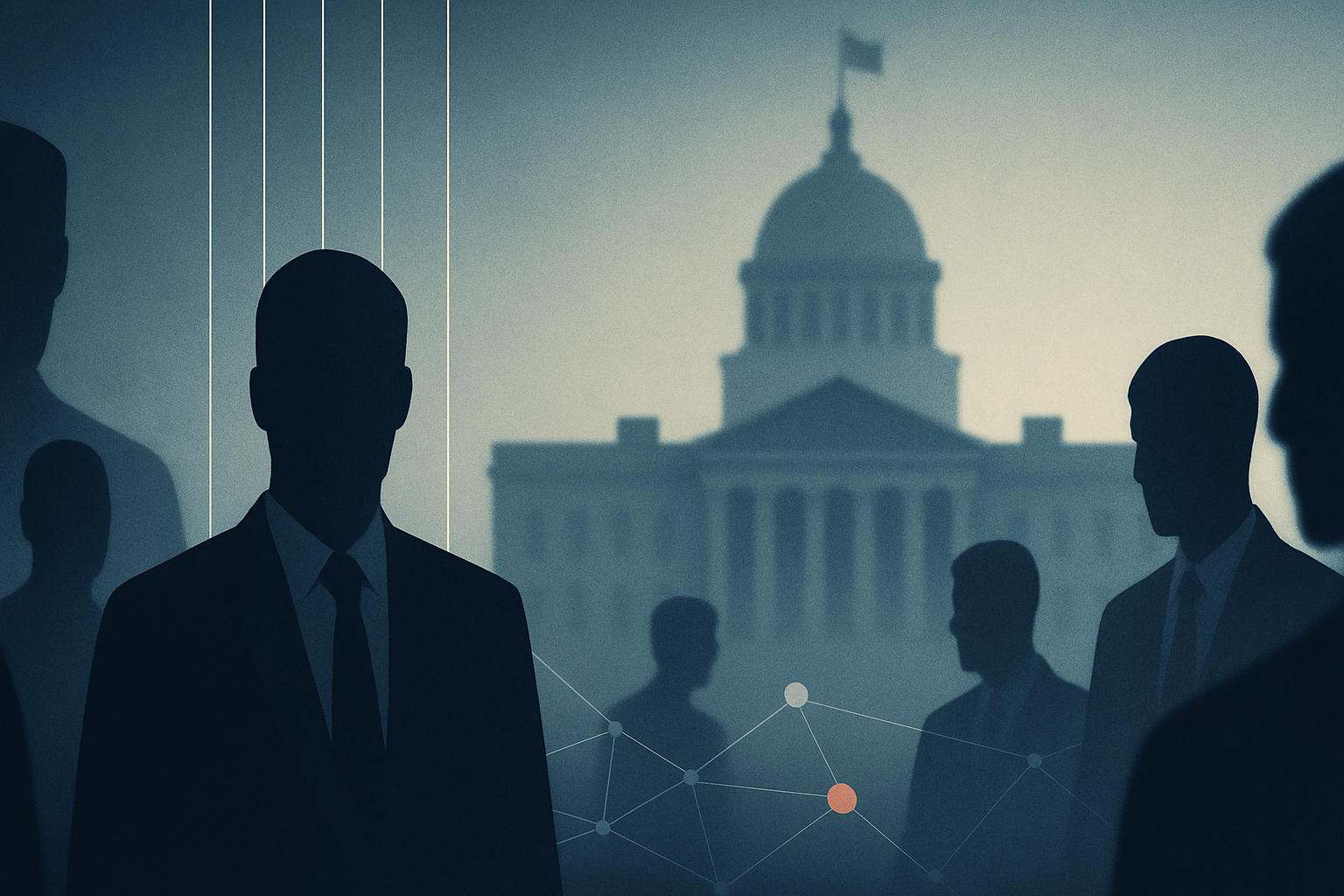
Lately, conversations about the so-called "deep state" and its potential role in government decisions have surged across news outlets and social media. The term inspires heated debate, with some insisting it describes an entrenched, unelected bureaucracy wielding unseen influence, while others dismiss it as a conspiracy theory. What's compelling about this moment is how these debates reflect deeper questions about trust, transparency, and the true nature of power in modern democracies.
I find this topic fascinating because it brings together government operations, public perception, and media narratives in unexpected ways. Whether or not you believe in the existence of a "deep state," the conversation itself reveals a lot about our era's anxieties and the mechanisms that shape major decisions. Let's sift through the claims, the facts, and the differing perspectives to better understand why this debate matters now.
What's Happening
The "deep state" debate didn't start with recent events, but it's been reignited by a series of contentious government decisions. Some recent examples include shifts in foreign policy, controversial executive actions, and high-profile investigations with outcomes that surprised the public or certain political leaders.
- Definition: The term "deep state" usually refers to a network of career officials—often in intelligence, military, or bureaucratic positions—believed to operate independently of elected leaders.
- Recent Allegations: Critics claim that behind-the-scenes actors influence or override official decisions, especially in matters of national security, law enforcement, and foreign affairs.
- Official Responses: Government spokespeople and many analysts publicly deny the existence of a coordinated deep state, attributing policy shifts to normal bureaucratic processes or political compromise.
- Media Coverage: The topic trends on social platforms and makes headlines on both legacy and alternative media, sometimes fueling partisanship or unrest.
A few notable moments have brought fresh scrutiny: dismissals of intelligence officials, apparent leaks of sensitive information, and abrupt about-faces in policy. Supporters of the deep state theory point to these events as evidence, while skeptics see routine, if sometimes messy, government functioning.
Why This Matters
The stakes of this debate are high, influencing public trust in institutions and shaping how people understand democracy. Allegations of a deep state can erode faith in fair governance and fuel polarization, especially if citizens feel major decisions are made in the shadows and not by those they've elected.
At the same time, civil servants play a crucial role in maintaining continuity and expertise within government. Accusations can undermine their effectiveness or threaten their safety, while unchecked power—real or perceived—always poses risks.
Ultimately, how societies address these concerns affects everything from national security to social cohesion. Is accountability possible without transparency? Can trust persist amid suspicion?
Different Perspectives
The "Deep State" Exists
Proponents argue that a permanent bureaucracy, especially in intelligence and defense, exercises significant influence regardless of election cycles. They cite leaks, policy resistance, and coordinated narratives as signs of intentional interference from within.



