
Introduction
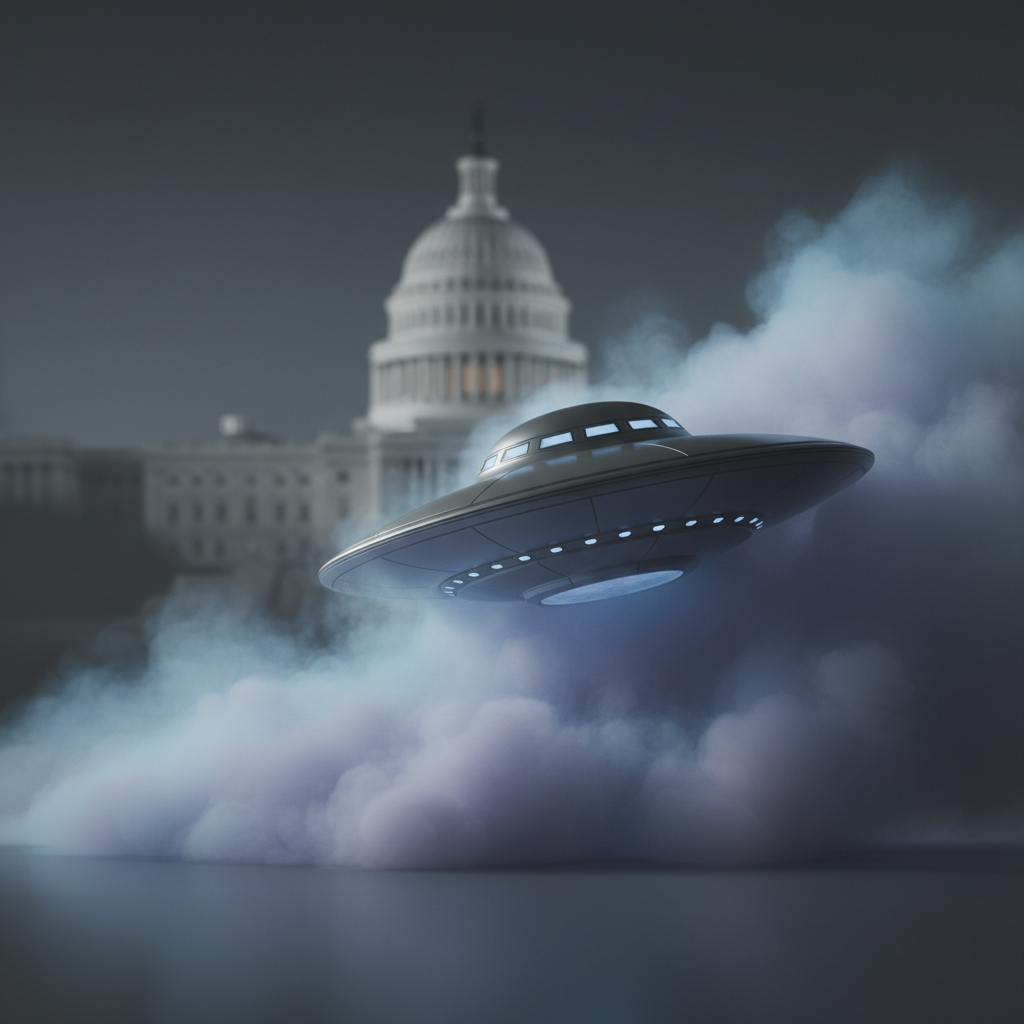
The sky has always held mysteries, but none as captivating as the U.S. government's ongoing relationship with unidentified flying objects (UFOs). In recent months, a surge of Congressional hearings about unexplained aerial phenomena has ignited old debates with new urgency.
What sets this moment apart is the public’s suspicion: is everything being revealed, or are critical truths still held in shadow? I find this question fascinating because the stakes involve national security, public trust, and the boundary between science fiction and reality. Let's illuminate what's happening and explore these complexities through a clear, unbiased lens.
What's Happening
Several U.S. Congressional hearings in the past year have placed UFOs—or more formally, Unidentified Anomalous Phenomena (UAP)—in the public spotlight like never before. Lawmakers questioned intelligence officials, military pilots, and whistleblowers regarding unexplained aerial encounters and alleged government secrecy.
- In July 2023, David Grusch, a whistleblower and former intelligence official, testified that the U.S. government possesses "non-human biologics" and recovered craft.
- Official statements alternated between denying knowledge of non-human materials and acknowledging that many UAP incidents remain unexplained.
- Members of Congress, across party lines, have demanded greater transparency, urging the government to declassify more information on UAP investigations.
- Independent researchers and journalists continue to sift through recently released documents, often finding heavily redacted material.
While these hearings suggest a shift toward openness, some believe they reveal just a portion of a much deeper story still hidden from public view. The government’s response has, at times, fueled rather than diminished speculation.
Why This Matters
The debate over hidden government involvement in UFO disclosures matters for several reasons. First, issues of national security and potential technological threats are at play—unidentified craft in U.S. airspace could signal vulnerabilities.
Second, the way the government handles information shapes public trust. If officials are seen as evasive, it can lead to a breakdown in confidence not only in this area, but in other domains of governance.
Finally, these disclosures—or the lack thereof—impact the broader quest for scientific understanding and inspire global curiosity about our place in the universe. The boundaries between defense, science, and public discourse are being redrawn as this debate unfolds.
Different Perspectives
Government Transparency Advocates
Some argue that the only way forward is total transparency. They claim that holding back information only fuels conspiracy theories and erodes democracy.
"The public has a right to know what their government knows about unexplained phenomena,"a common refrain among these advocates.



