
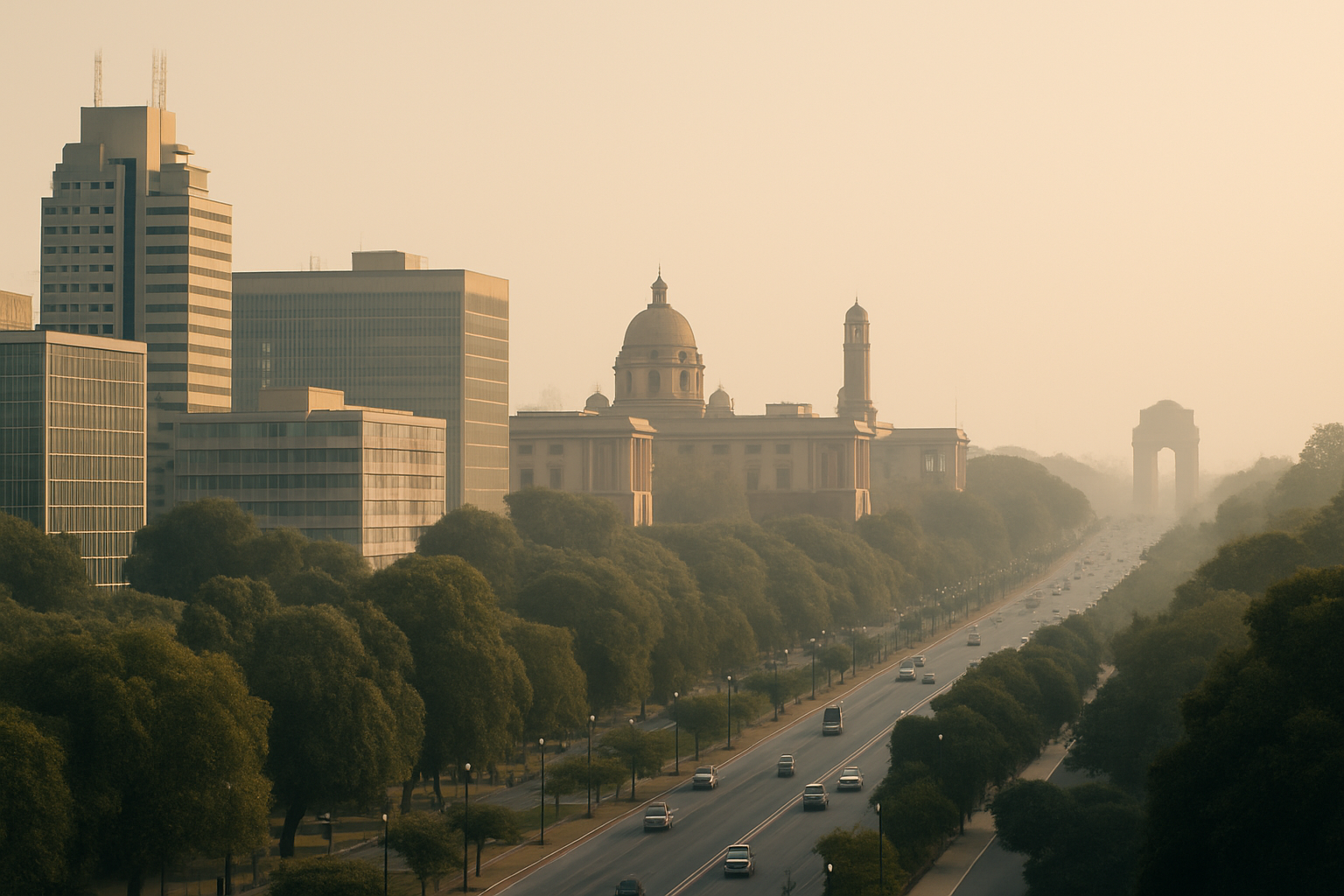
Introduction
Delhi is a city of contrasts and convergences: ancient heritage meets futuristic ambition, local traditions intertwine with global influences. This capital city of India often finds itself in global headlines, whether due to its simmering politics, tech boom, environmental challenges, or vibrant street life. As an ever-evolving urban landscape, Delhi reflects the rhythm, tension, and dreams of a billion people.
Today, Delhi matters more than ever. The city's decisions ripple far beyond its own boundaries – influencing international economics, regional culture, and even global environmental conversations. Whether you're following recent elections, tracking air quality trends, or marveling at its digital transformation, Delhi's story is one of constant movement and reinvention.
What's Happening
Delhi's prominence means there's always something noteworthy happening. Here are the key trends and issues that are currently shaping the city:
- Political Activity: As the seat of India's central government, Delhi is constantly buzzing with high-stakes political drama, especially following recent national elections that have shaped power dynamics and policy priorities.
- Tech and Startup Hub: Delhi is asserting itself as a major tech innovation center, second only to Bangalore. The city is home to a thriving ecosystem of startups, e-commerce giants, and digital service providers.
- Air Quality Concerns: Each year, Delhi captures global attention for its air pollution crisis, particularly during winter months. Recent government initiatives have aimed to curb emissions, though challenges persist.
- Heritage and Urban Growth: Ongoing heritage preservation projects, infrastructure expansion, and urban planning efforts reflect the city's struggle to balance its rich history with the needs of its growing population.
From monumental events – such as visits from global leaders and international summits – to grassroots movements addressing gender equality and climate resilience, Delhi is always in flux. Its metro network’s continuous expansion, the bustling markets in Chandni Chowk, and contemporary art exhibitions illustrate Delhi's ever-changing mosaic.
The latest news cycle is abuzz about Delhi’s role both as a symbol of modern India and as a flashpoint for wider socio-political debates. Data suggests the city's population has passed 32 million, making its infrastructure and resource management all the more urgent.
Why This Matters
Delhi’s trajectory has a real, tangible ripple effect – not just for residents, but for India and the world. Its status as India’s political, cultural, and digital pulse means that shifts here often foreshadow wider national trends.
Decisions on urban planning, environmental regulation, and public health in Delhi frequently set precedents for other Indian cities. The city's air quality is a test case for global efforts against urban pollution. Delhi’s outsized role in Bollywood, fashion, cuisine, and art keeps it in the international spotlight as a culture-maker.
Delhi's ongoing transformation impacts millions: from migrant workers and students to executives and creatives – and by extension, anyone who interacts with Indian innovations or consumes its cultural exports.
Different Perspectives
Local Residents' View
For many Delhites, the city is a place of immense pride and constant hustle. They highlight the opportunities for work, education, and social mobility, but also express concern about cost of living, safety, and environmental health.



