
Introduction
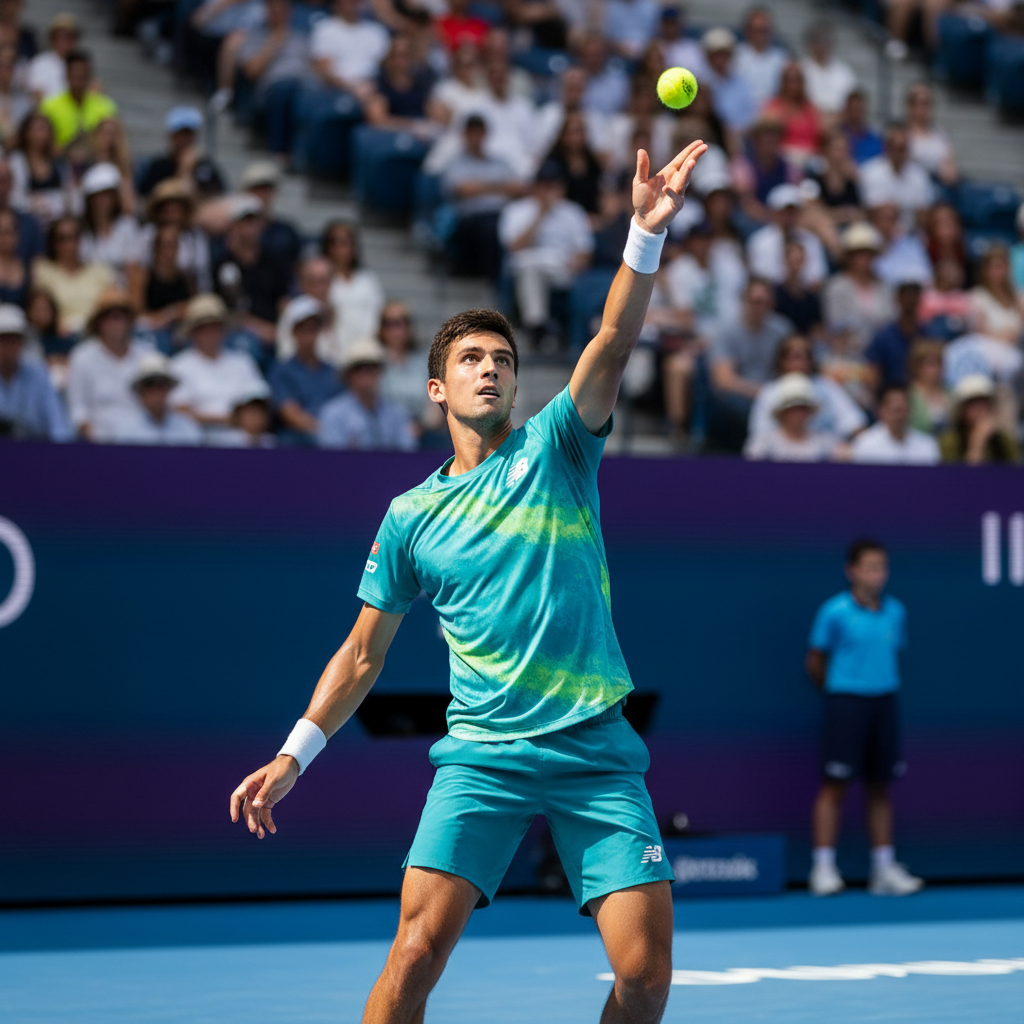
Rarely does a tennis player capture attention as quickly and dynamically as Denis Shapovalov. From powerful left-handed groundstrokes to an exuberant on-court personality, Shapovalov has excited fans and analysts alike since his teenage breakthrough. In 2024, his name is trending once again — but this time, the conversation isn’t just about his potential. It’s about setbacks, resilience, and the relentless pressure that defines life in the upper echelons of professional tennis.
This moment matters because, in many ways, Shapovalov represents the new generation’s struggle: incredible promise shadowed by brutal realities. Injuries, inconsistency, and the sport’s grueling pace all test whether young stars can become legends. The world is watching to see not just if Denis can win, but how he adapts.
What's Happening
Denis Shapovalov, born in 1999 in Tel Aviv and raised in Canada, burst onto the global tennis scene in 2017 when, as a teenager, he defeated Rafael Nadal at the Rogers Cup. His bold playing style and creative shot-making made headlines — and signaled the arrival of a generational talent. Since then, he’s maintained a presence in the ATP’s Top 50, reaching a career-high ranking of No. 10 in 2020.
- Recent setbacks: In 2023 and early 2024, Shapovalov struggled with a lingering knee injury, forcing him to withdraw from several tournaments and lose ground in rankings.
- Comeback attempts: He returned to the tour in early 2024, but results have been mixed — early-round exits highlight the challenge of regaining momentum after time off.
- Media spotlight: The conversation now revolves around his physical recovery, mental game, and whether he can fulfill the expectations of being Canada’s next Grand Slam champion.
- Broader context: Shapovalov’s journey mirrors a generational shift in tennis, as veterans like Nadal and Djokovic age and younger players vie for dominance.
As of June 2024, his season remains uncertain, and pundits are eager (and sometimes impatient) to see if he can turn promise into consistent performance.
Why This Matters
Shapovalov’s story is emotionally charged for fans and meaningful for the tennis ecosystem as a whole. His journey isn’t just about personal glory — it’s a test case for how young athletes cope with the combined weights of expectation, physical strain, and rapid career swings.
This matters because:
- Canadian tennis hopes: Shapovalov, along with peers like Félix Auger-Aliassime and Bianca Andreescu, is seen as a torchbearer for Canadian tennis’s golden era.
- Role model questions: His openness around struggles and willingness to discuss mental health have sparked wider conversations about athlete wellbeing.
- Tennis's next era: As older champions near retirement, the sport needs new faces who can carry its global prestige and engage diverse audiences.
Different Perspectives
The Optimists
Some believe Shapovalov’s talent and spirit will win out. They point to his explosive forehand, aggressive playstyle, and early-career victories as proof that he’s only a breakthrough away from consistently contending at Grand Slams. For these voices, setbacks are just part of growth.



