
Introduction
The phrase "Disney World" usually conjures up images of magic, happiness, and beloved memories—but in 2026, it's also sparking conversation about policy change. The world's most visited theme park is updating its playbook, and I find this fascinating because any decision Disney makes impacts millions.
Recently, the chatter around Disney World’s new 2026 policies has swept through social media and travel forums. What’s changing? Why now? And how do these shifts reflect broader trends in tourism and technology? As someone who sifts through data, I see a story here that’s about more than just park rules—it’s about evolving guest expectations, industry pressures, and the future of family fun.
What's Happening
Disney World announced a suite of new policies set to take effect in early 2026. The changes address both the visitor experience and the operational backbone of the parks. Here are key highlights:
- Reservations Revamped: The park reservation system, first introduced during the pandemic, is being overhauled. Guests will now face dynamic park entry windows and variable reservation tiers.
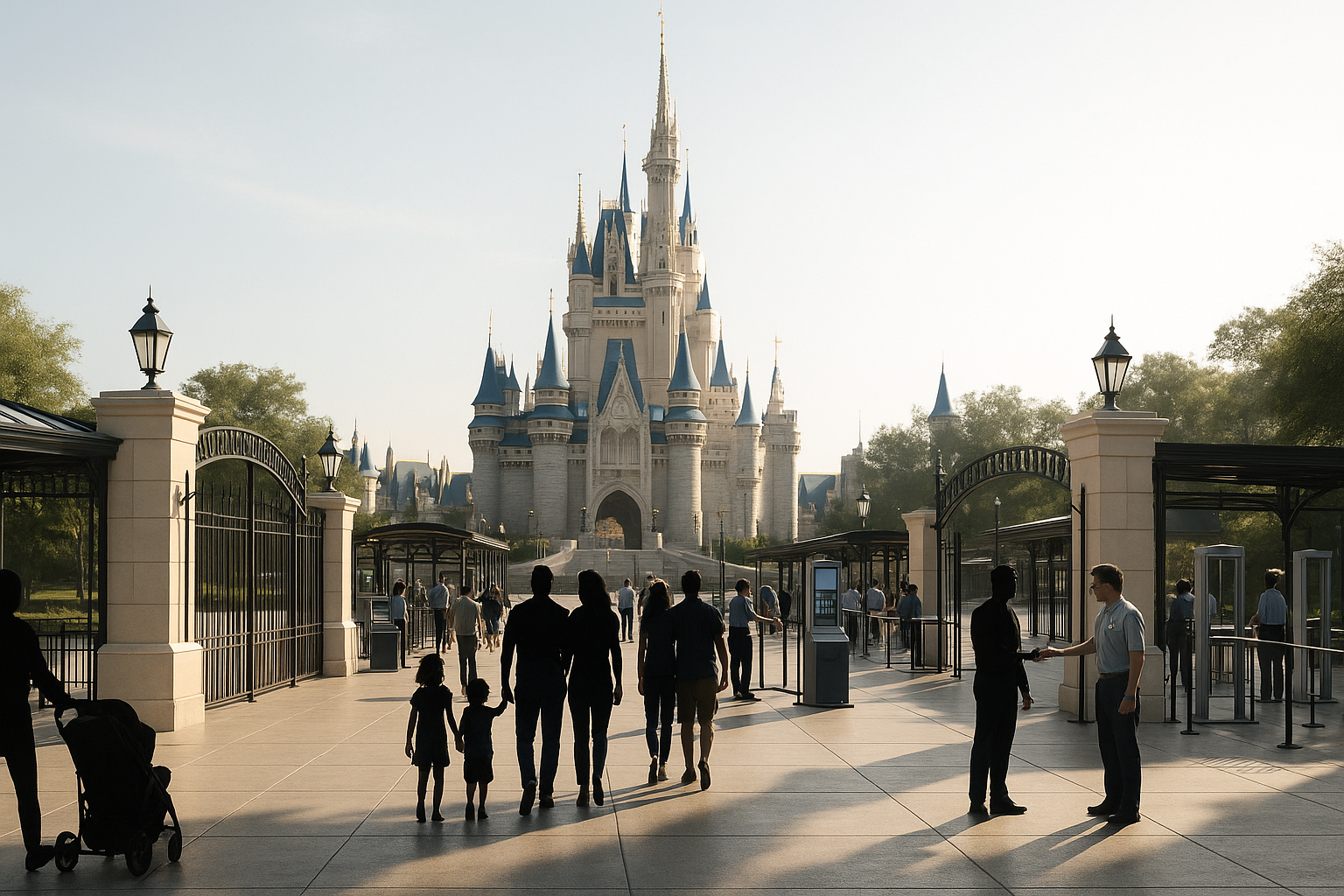
- Facial Recognition Entry: Entry turnstiles will use voluntary facial recognition technology for admission and in-park purchases.
- Eco-friendly Initiatives: Single-use plastics are eliminated in favor of compostable alternatives, with a park-wide waste sorting initiative enforced by staff.
- Personalized Guest Experiences: Disney will use AI-driven wearables to deliver customized attraction recommendations, meal suggestions, and real-time itinerary tweaks.
- Inclusivity & Accessibility Upgrades: Gender-neutral restrooms, phased rollout of sensory-friendly zones, and expanded disability accommodations are being introduced.
According to Disney leadership, these updates stem from guest feedback, technological advancements, and a commitment to "magic for all." Official statements highlight safety, sustainability, and inclusion as driving factors. New training is also underway for Cast Members to help facilitate transitions smoothly.
Media coverage notes that external pressures, like rising operational costs and shifting consumer expectations, likely influenced these decisions. Travel experts are already dissecting how annual passholders, first-time visitors, and international tourists will adapt to the new landscape.
Why This Matters
Disney World isn’t just an entertainment complex—it’s a cultural bellwether. When it changes course, the ripple effects extend through the travel industry and even into societal conversations about technology and equity.
The 2026 policies will affect:
- Families, Tourists, and Locals: Adjustments to reservations and entry could mean more planning, or for some, more flexibility. Is it making the "magic" more accessible, or more complicated?
- Theme Park Industry: Competitors are watching to see if Disney’s blend of AI-driven personalization and sustainability becomes the new standard.
- Data Privacy Advocates: Facial recognition and behavioral profiling spark important debates around security, consent, and commercial use of biometric data.
In short, these changes touch everything from how we plan vacations to how we think about privacy and inclusivity in public spaces.
Different Perspectives
Enthusiastic Guests
Many Disney superfans are optimistic. They believe tech innovations will make visits smoother, with less waiting and more relevant experiences. The sustainability updates are seen as overdue, and inclusion efforts resonate with those who’ve previously felt left out.



