
Introduction
Every year, millions around the world mark the beginning of Holy Week with Domingo de Ramos (Palm Sunday). In 2026, as social and spiritual landscapes continue to shift, observing how centuries-old rituals adapt and endure is especially fascinating. For me, Domingo de Ramos 2026 is more than just a calendar event—it's a lens for understanding faith, tradition, and global community in our era of change.
Why does this ancient observance remain so significant? With palm branches raised high and stories retold, Domingo de Ramos provides a unique touchpoint—a merging of spiritual symbolism and collective memory. This year, forces like digital worship, climate concerns, and cultural blending add new layers to a beloved tradition.
What's Happening
Domingo de Ramos 2026 falls on March 29, launching the week that leads to Easter. Across Latin America, Spain, the Philippines, and Christian communities globally, churches and homes will echo with readings of Jesus' triumphant entry into Jerusalem.
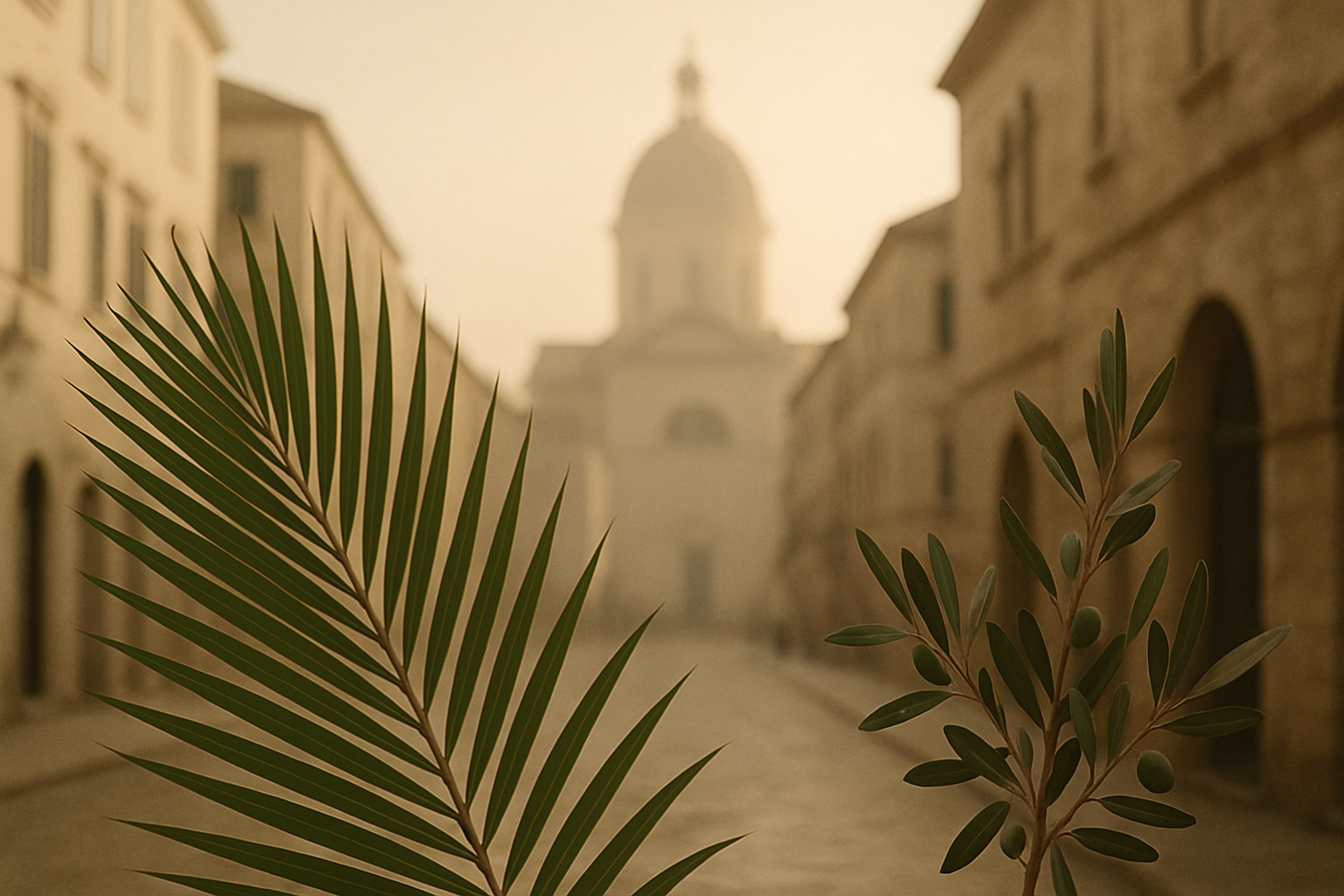
- Masses and Processions: Churches will hold special liturgies blessing palm leaves or native branches (like olive or willow in some regions), often followed by processions through city streets or village squares.
- Palm Crafts & Symbols: Many transform their palm fronds into intricate crosses or braided ornaments, lasting reminders of the day's message.
- Hybrid Celebrations: In recent years, digital and livestreamed services have become more common for those unable to attend in person. In 2026, this hybrid approach is expected to continue, reaching millions at homes or abroad.
- Cultural Expressions: Local customs—from folk dances in Guatemala to elaborate alfombras (carpets) in Honduras—infuse the Christian narrative with regional color and creativity.
While the essence remains, each community adapts the ritual to their traditions and current realities. This living aspect ensures that Domingo de Ramos feels both historic and current in 2026.
Why This Matters
Domingo de Ramos is not just a Christian observance; it acts as a cultural anchor for families and societies. In 2026, the event carries fresh resonance amid broader trends:
Climate concerns affect the sourcing of palm branches, sparking discussions about sustainability versus tradition. Political unrest in some countries may lead to more symbolic, indoor, or virtual celebrations—highlighting faith's resilience and adaptability.
Increasingly, Domingo de Ramos also offers an occasion for reflection on community, peace, and hope—values often challenged in today's fast-changing world. Its message transcends faith lines and becomes a moment of unity and contemplation for many.
Different Perspectives
Catholic and Christian Believers
For practicing Catholics and other Christian denominations, Domingo de Ramos is a cornerstone of faith, rich in symbolism and tied intimately to Easter. It's a time for renewal, deep spiritual engagement, and tradition.



