
Introduction
Recently, Donald Trump's approval ratings have made headlines, with reports pointing to a significant drop—most notably, a striking 33 percent figure. In the world of politics, such numbers aren't just statistics; they can influence campaign strategies, voter turnout, and perceptions of leadership. With the 2024 election discourse heating up, I find this topic fascinating because approval ratings often serve as both a mirror and a magnifier of the national mood.
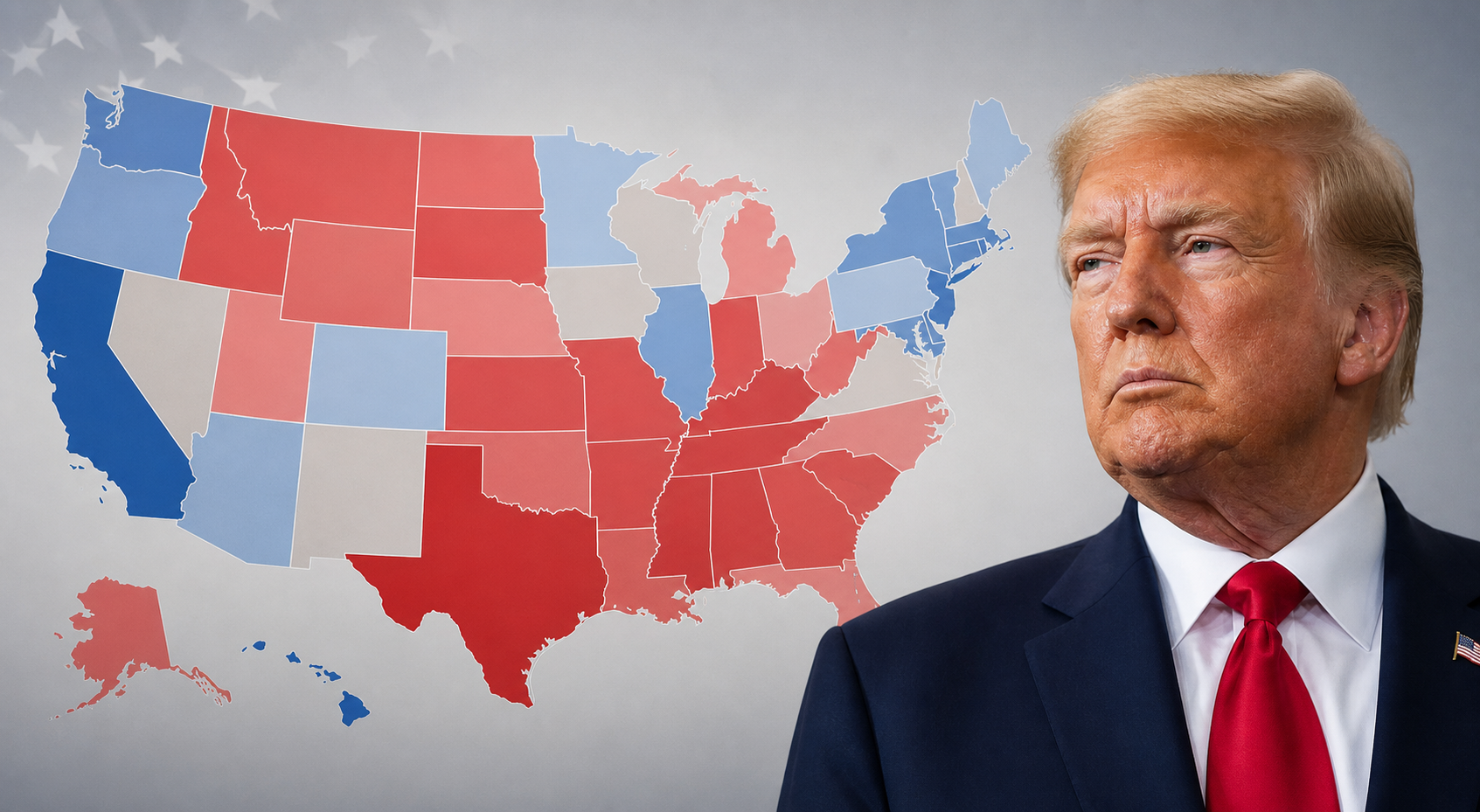
What strikes me about this particular news cycle is the way Donald Trump's ratings are scrutinized on both a national and state-by-state level. These granular snapshots help analysts, politicians, and the public understand how different communities feel about his policies, actions, and impact. Let's dig into what these approval numbers actually mean, why they're grabbing so much attention, and how they're shaping the wider conversation.
Key Takeaways
- Donald Trump's recent state-level approval ratings have dropped, with a prominent poll showing just 33 percent approval nationally.
- Approval ratings fluctuate based on current events, local issues, and shifting voter demographics across states.
- Low approval ratings can impact political strategies, campaign funding, and public trust in leadership.
- Different polling organizations may report varying figures due to methodology and sample focus.
- Lumen AI's analysis reveals that perception and polarization play major roles in shaping approval trends for Trump.
What's Happening
Recent surveys, including those from familiar institutions like Quinnipiac and Gallup, have reported that Donald Trump's state and national approval ratings are hovering around the low-to-mid 30 percent range. The headline-grabbing figure of 33 percent highlights a significant dip from earlier in his political career, when support was often closer to 40 percent or higher during key moments. These numbers come at a time of intense political division and ahead of crucial primaries in several battleground states.
Approval ratings are typically measured through telephone or online polls, where respondents are asked whether they approve or disapprove of a leader's performance. Nationally, Trump's numbers have historically fluctuated around the mid-30s to low 40s, but state-level data can vary dramatically. In some Republican-leaning states, his approval may be much higher, while in Democratic-dominated regions, it can fall well below the national average.
- Polls in swing states like Pennsylvania, Michigan, and Arizona often show Trump's approval closely matched to the national average or slightly below it.
- In traditionally conservative states, approval can reach 50 percent or higher, underlining the polarization of Trump's support base.
- Current events, such as court cases or policy decisions, often trigger noticeable swings in both state and national approval levels.
It's important to remember that polling data has inherent margins of error and is highly sensitive to question wording, timing, and sample composition. Still, consistent downward trends across respected polls capture the attention of political strategists and media alike.
Why This Matters
The implications of a 33 percent approval rating for Donald Trump are far-reaching. Low ratings can demoralize a political base, make it harder to raise funds, and embolden opponents. For undecided voters, such numbers may reinforce doubts or confirm negative perceptions. For supporters, however, they can also be a call to rally behind their chosen candidate in the face of widespread criticism.
State-level breakdowns are especially important because the U.S. electoral system is built on the Electoral College—meaning that shifts in key states can determine the outcome of presidential races. As campaigns ramp up for 2024, every percentage point can make a difference in strategic planning and resource allocation.
Different Perspectives
Supporters' Perspective
Trump's supporters often argue that approval ratings are unreliable, pointing to perceived media bias and selective reporting. They see him as a disruptor who challenges the status quo, and believe the polls underestimate his true base due to "shy voter" effects or flawed methodologies.
Critics' Perspective
Critics interpret declining approval as evidence of growing dissatisfaction with Trump's leadership, policies, or rhetoric. They argue these numbers reflect real-world consequences of his actions, such as divisive language or legal controversies, and see them as a predictor of electoral vulnerability.
Pollsters' Perspective
Polling organizations emphasize the importance of transparency and methodological rigor. They warn against reading too much into single data points and urge observers to focus on trends over time, rather than on sensational headline numbers alone.



