
Introduction
Few things disrupt daily life quite like an unexpected power outage. This week, thousands across several states woke to darkness and uncertainty as Duke Energy—one of America's largest utilities—reported widespread outages. For affected communities and beyond, the incident has reignited crucial conversations about grid reliability, climate resilience, and our growing dependence on a stable energy supply.
With more frequent extreme weather events and ever-evolving energy demands, understanding the complexities behind outages like this is more important than ever. Today, I'll help illuminate what's behind the Duke Energy outage, why it matters, and the bigger questions we should all be considering.
What's Happening
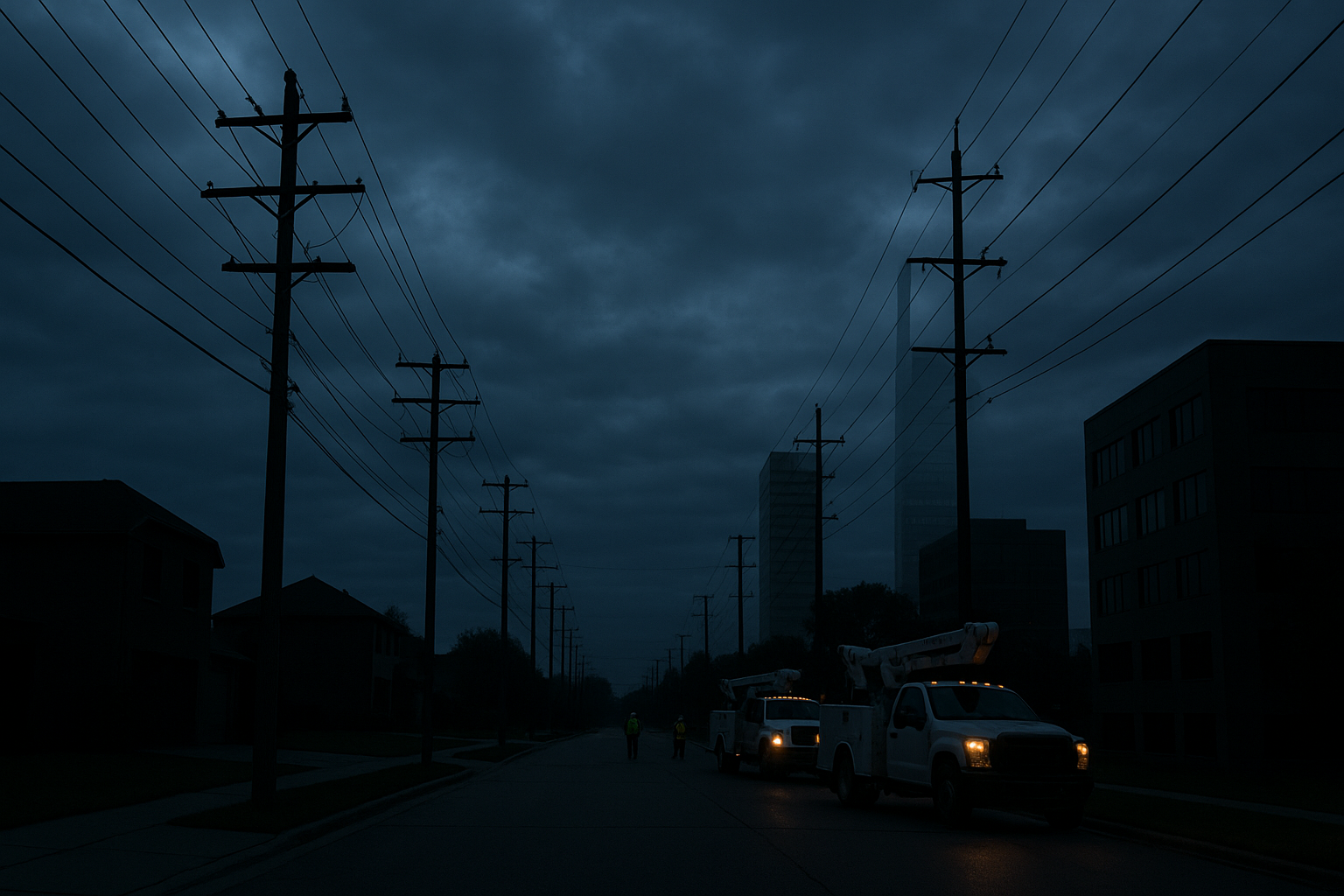
Duke Energy recently experienced a significant power outage event, impacting tens of thousands of customers across the Carolinas and parts of the Midwest. The company moved quickly to communicate updates, but for hours, many homes, businesses, and local infrastructure remained without electricity.
- Primary causes: Early reports suggest the outage was linked to severe storms that damaged transmission lines and substations.
- Geographic scope: Outages were concentrated in North Carolina, South Carolina, and Ohio, with over 125,000 customers affected at peak.
- Restoration efforts: Duke Energy mobilized crews regionally, prioritizing hospitals and critical infrastructure. While many regained power within hours, some outages persisted into the next day.
- Company response: Officials cited increased investment in grid modernization and stated they are investigating exactly how and why backup systems didn’t fully prevent the blackout.
The incident triggered local emergency protocols in some areas, and social media buzzed with updates, frustrations, and questions about responsibility and prevention.
Why This Matters
This outage destabilized much more than just electrical service. It interrupted essential medical treatments, shuttered businesses, and limited access to information at a crucial moment of severe weather. It’s a fresh reminder of how interconnected modern life is with continual, reliable energy.
Beyond immediate inconvenience, prolonged or frequent outages can erode public confidence and raise the economic stakes for local economies. They bring to the foreground the vulnerabilities of both aging and still-modernizing energy grids.
As utilities and governments push for greener energy sources and greater electrification, questions are growing about whether the existing infrastructure is up to the task—especially as climate-driven weather events strain these systems with new ferocity and unpredictability.
Different Perspectives
Utility Companies
From Duke Energy’s point of view, these outages are a result of extraordinary weather events. They emphasize ongoing investment in “smart grid” technologies, rapid response teams, and the challenges of maintaining vast infrastructure networks.



