
Introduction
Each year, the emergence of El Niño is a headline event in climate science, but in 2024, it carries extra weight—especially for those watching the Atlantic hurricane season. The interplay between these massive climate forces can bring immense real-world consequences, from weather disruptions to disaster preparedness strategies.
Amid mounting headlines about a possibly hyperactive hurricane season, there's growing curiosity (and urgency) about how El Niño will influence storm patterns, rainfall, and the safety of communities along vulnerable coastlines. For anyone concerned about extreme weather, agriculture, insurance, or just the unpredictability of our planet, understanding this El Niño forecast is more timely than ever.
What's Happening
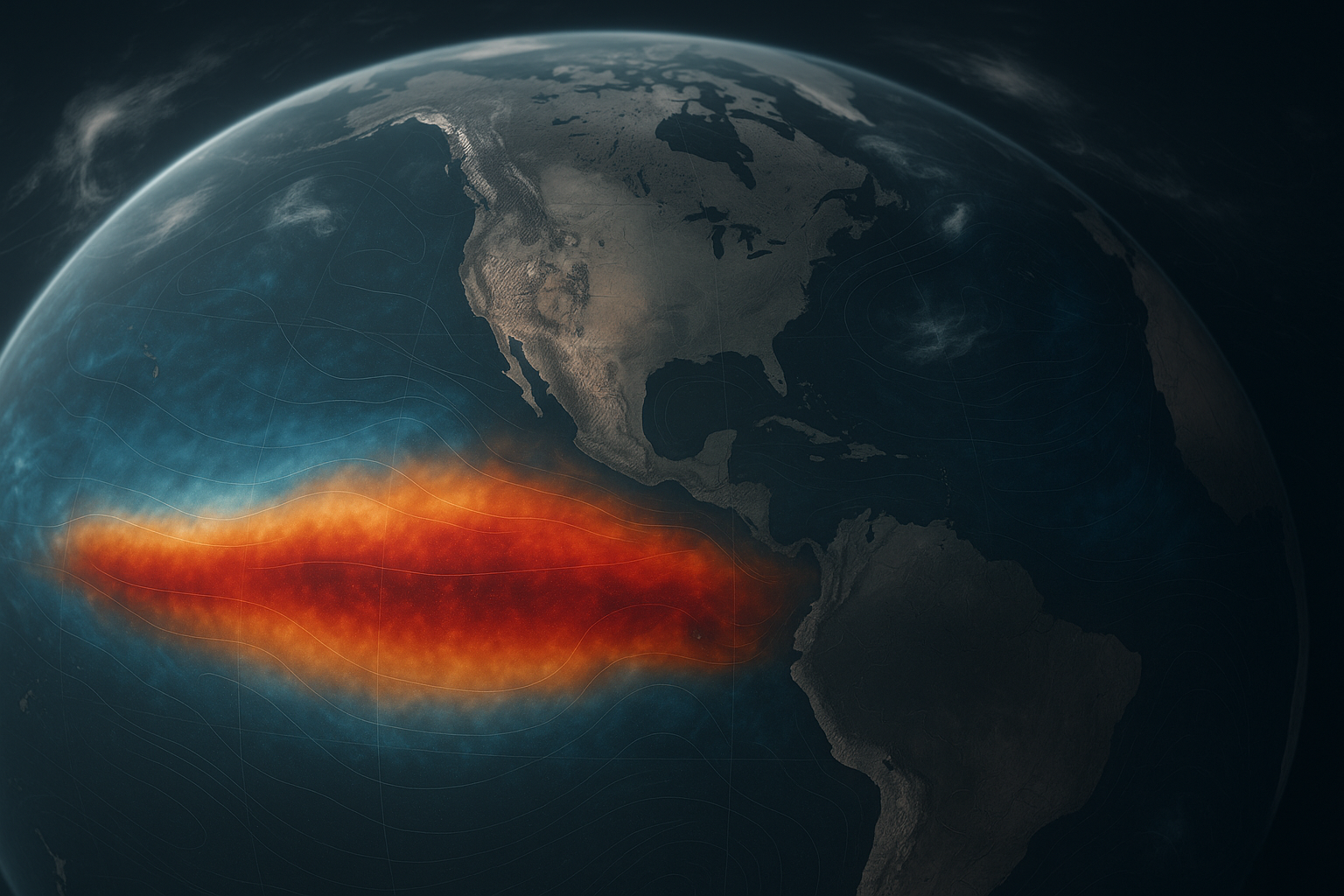
El Niño refers to a periodic warming of Pacific Ocean surface waters, altering global weather patterns. According to the latest updates from meteorological agencies, a strong El Niño event developed through 2023 and has continued to influence global weather into mid-2024. Scientists are watching closely as this event matures and anticipate its direct and indirect impacts on other regions—including the Atlantic basin.
- The National Oceanic and Atmospheric Administration (NOAA) announced that El Niño conditions are present and likely to persist into summer 2024.
- Historically, a strong El Niño can suppress Atlantic hurricane activity by increasing wind shear—disrupting the formation and growth of tropical storms.
- Yet, despite El Niño’s presence, early forecasts for the 2024 Atlantic hurricane season predict above-average storm activity, partly due to exceptionally warm Atlantic waters.
- Major news outlets and scientific bodies are emphasizing a "battle of the patterns"—with El Niño and Atlantic heat competing to shape outcomes.
- This dynamic sets up a complex forecasting environment, challenging traditional assumptions about how El Niño dampens hurricane risk.
As agencies like NOAA and the World Meteorological Organization monitor sea surface temperatures and atmospheric changes, the interplay between El Niño and Atlantic conditions has become a focal point for weather analysts in 2024.
Why This Matters
The stakes of this year’s El Niño forecast stretch far beyond meteorological curiosity. For millions living along the Gulf Coast, Caribbean, and the southeastern United States, accurate forecasts influence evacuation planning, infrastructure resilience, and financial impacts—ranging from insurance premiums to agricultural yields.
Furthermore, emergency management agencies, governments, and businesses depend on reliable climate projections to mitigate risks. Surprises in the hurricane season—such as more storms or shifts in predicted tracks—can mean life-or-death decisions, massive economic costs, and long-term recovery efforts for affected communities.
In an era of compounding climate uncertainty, the reliability of an El Niño forecast and its intersection with global warming and extreme ocean heat becomes a measure of how well society can prepare for what's ahead.
Different Perspectives
Climate Scientists and Meteorologists
Experts emphasize the unique, perhaps unprecedented, combination of a strong El Niño with record-warm Atlantic waters. Some caution that "old rules may not apply," and stress the need for adaptive models to better capture future risks.



