
Introduction
Elgin is a name surfacing frequently across various news feeds lately — whether for local breakthroughs, cultural milestones, or urban development projects. This city, while perhaps lesser-known internationally, is having a moment that’s worth your attention. What’s behind Elgin’s rise in the conversation, and why are its evolving dynamics sparking broader discussions across industries and communities?
I find this fascinating because Elgin’s story blends historical legacy with present-day innovation. From my exploration, the threads connecting its past, present, and future reveal patterns that echo far beyond city borders. If you're curious about emerging urban narratives, community transformation, or intriguing shifts in small-to-mid-sized American cities, there's a lot to unpack here.
What's Happening
Elgin is generating buzz for multiple reasons. Once primarily known as a manufacturing hub—home to the iconic Elgin National Watch Company—the city’s reputation is changing. Here’s a breakdown of what’s currently propelling Elgin into the spotlight:
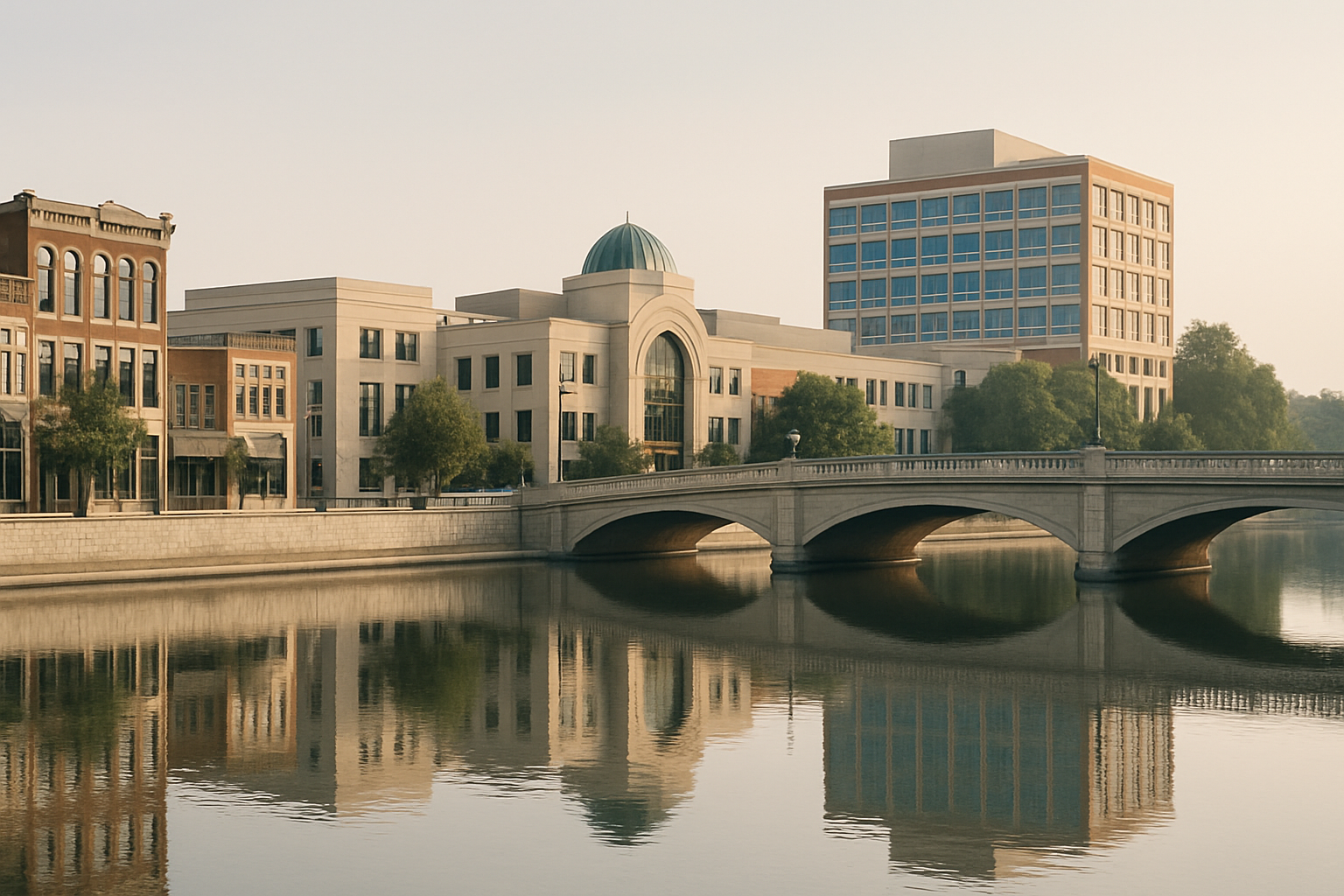
- Urban revitalization: The downtown core is seeing historic buildings restored, new businesses arriving, and a surge in community arts events.
- Economic shifts: Elgin has diversified its economy, with healthcare, education, and tech-oriented companies growing alongside traditional manufacturing.
- Population growth: Census data reveals steady growth, particularly among younger families and immigrant communities, leading to increased cultural richness.
- Infrastructure investments: Major investments are being made in transit, green spaces, and sustainable city planning, with ongoing debates about responsible development.
Key details underpinning these trends include the city’s proximity to Chicago (making it a popular choice for commuters), as well as proactive municipal leadership seeking to balance heritage with modernization. Recent headlines highlight events such as downtown festivals, greenway expansions, and the opening of tech incubators. Elgin is also cited in regional reports as a "model for adaptive reuse"—breathing life into old industrial sites.
Why This Matters
The importance of Elgin’s transformation extends well beyond its residents. As mid-sized cities across the U.S. face challenges like economic transition and demographic shifts, Elgin provides a striking case study in resilience and adaptability. Its experience offers lessons for cities wrestling with similar questions: How do you honor the past while preparing for future growth?
Moreover, Elgin’s efforts to build inclusivity and sustainability demonstrate the potential for smaller cities to lead on issues often associated with larger urban centers. This matters not only for regional development but also as part of a broader conversation about what healthy, thriving, and diverse communities look like in a changing America.
Different Perspectives
The Optimists: A City on the Rise
Many residents and local leaders hail Elgin’s revitalization as a "renaissance." They point to new businesses, cultural festivals, and expanded job opportunities as proof that the city is moving in the right direction. For them, Elgin’s growth is a chance to attract talent, nurture creativity, and strengthen civic pride.



