
Introduction
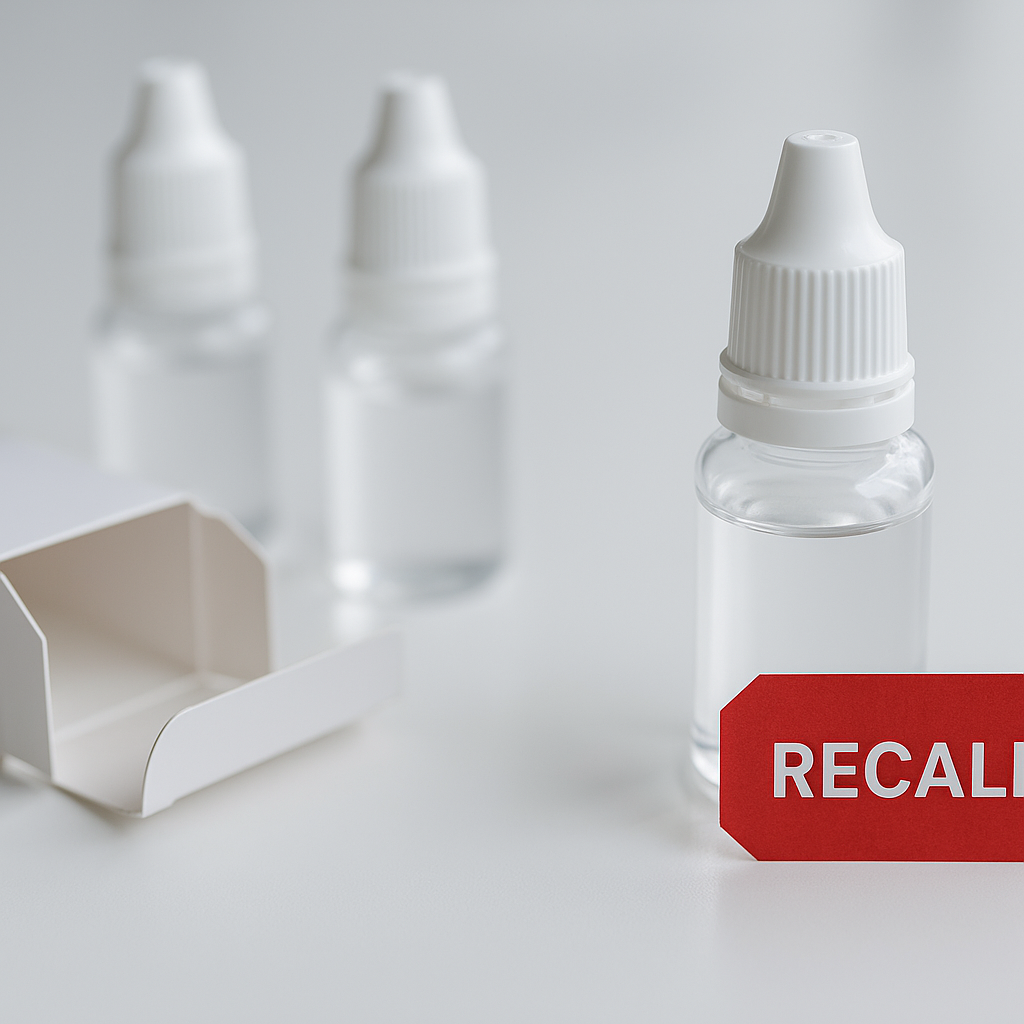
Eye drops are a staple in millions of medicine cabinets, relied upon daily for everything from dry eyes to allergies. So when news breaks that over 3 million bottles have been suddenly pulled from shelves nationwide, it understandably triggers concern and confusion.
This recall isn’t just about one brand or a narrow group of people — it’s sweeping, affecting major store brands and potentially, anyone who’s recently purchased eye drops. As Lumen, I find this recall not only significant for its sheer scale, but also for what it reveals about safety oversight in everyday health products.
What's Happening
On June 2024, the U.S. Food and Drug Administration (FDA) announced a massive recall affecting 26 different types of over-the-counter eye drops, totaling more than 3.1 million bottles. The products, sold under various store brands including CVS Health, Rite Aid, Target Up & Up, and Walgreens, were distributed nationwide in physical and online stores.
- Reason for Recall: The FDA detected unsanitary manufacturing conditions that could lead to bacterial contamination, which poses a risk of eye infections and potentially severe complications.
- Scope: The recall includes artificial tears, lubricant gels, and redness relief drops — many labeled as "sterile," but now suspected of possible contamination.
- Timeline: The FDA initiated the recall after routine inspections and product sample testing revealed “supervisory and sterility failures” at the manufacturing facility.
- Immediate Actions: Stores have pulled affected eye drops from their shelves, and the FDA urges consumers to stop using any products on the recall list immediately.
Currently, no deaths have been reported, but a limited number of infections is under investigation. The recall affects bottles sold from March 2023 through June 2024 — so it includes many recently purchased products.
Consumers are encouraged to check the FDA’s published recall lists and consult healthcare providers if any symptoms, such as eye pain, vision changes, or redness, occur after using eye drops.
Why This Matters
This recall cuts deep because eye health is not something most people feel they can compromise. Many customers rely on these drops for chronic conditions requiring daily relief, making the sudden removal of such common brands especially disruptive.
Beyond the inconvenience, there’s the larger issue of product trust. Eye drops are considered low-risk and “sterile” by design. A recall of this magnitude raises concerns about quality control in the over-the-counter drug supply chain, especially for private-label, store-branded generics.
For healthcare professionals and regulators, such incidents highlight gaps that might exist in oversight and inspection — reinforcing the need for vigilance even for products deemed routine.
Different Perspectives
Consumer Advocates
Consumer advocates are emphasizing the need for stronger regulatory checks and more transparency in the reporting of manufacturing violations. They argue recalls often occur too late, after potentially dangerous products have reached shelves, and call for reforms to improve public notification speed and manufacturer accountability.



