
Introduction
Every day, more neighborhoods and communities are turning to technology to keep their streets safe. One solution attracting attention—and controversy—is the rapid spread of Flock cameras: automated license plate readers (ALPRs) designed for neighborhoods, businesses, and law enforcement. This trend has sparked debates about privacy, safety, and the balance between vigilance and overreach.
I find this topic fascinating because it's a rare real-world example of communities willingly inviting near-constant surveillance, often with limited understanding of long-term consequences. Recent headlines like "Have I Been Flocked" reflect both curiosity and concern among those being captured in these digital nets.
Key Takeaways
- Flock cameras are automated license plate readers used by neighborhoods, HOAs, and law enforcement to track vehicle movement.
- The data collected by Flock can be searched, shared with police, and sometimes integrated into broader surveillance networks.
- Civil liberties groups warn of potential privacy violations and the risk of profiling or abuse.
- Residents can check if they've been recorded using the "Have I Been Flocked" tool at haveibeenflocked.com.
- Debates continue about the tradeoff between public safety, transparency, and personal privacy in the age of AI-powered surveillance.
What's Happening
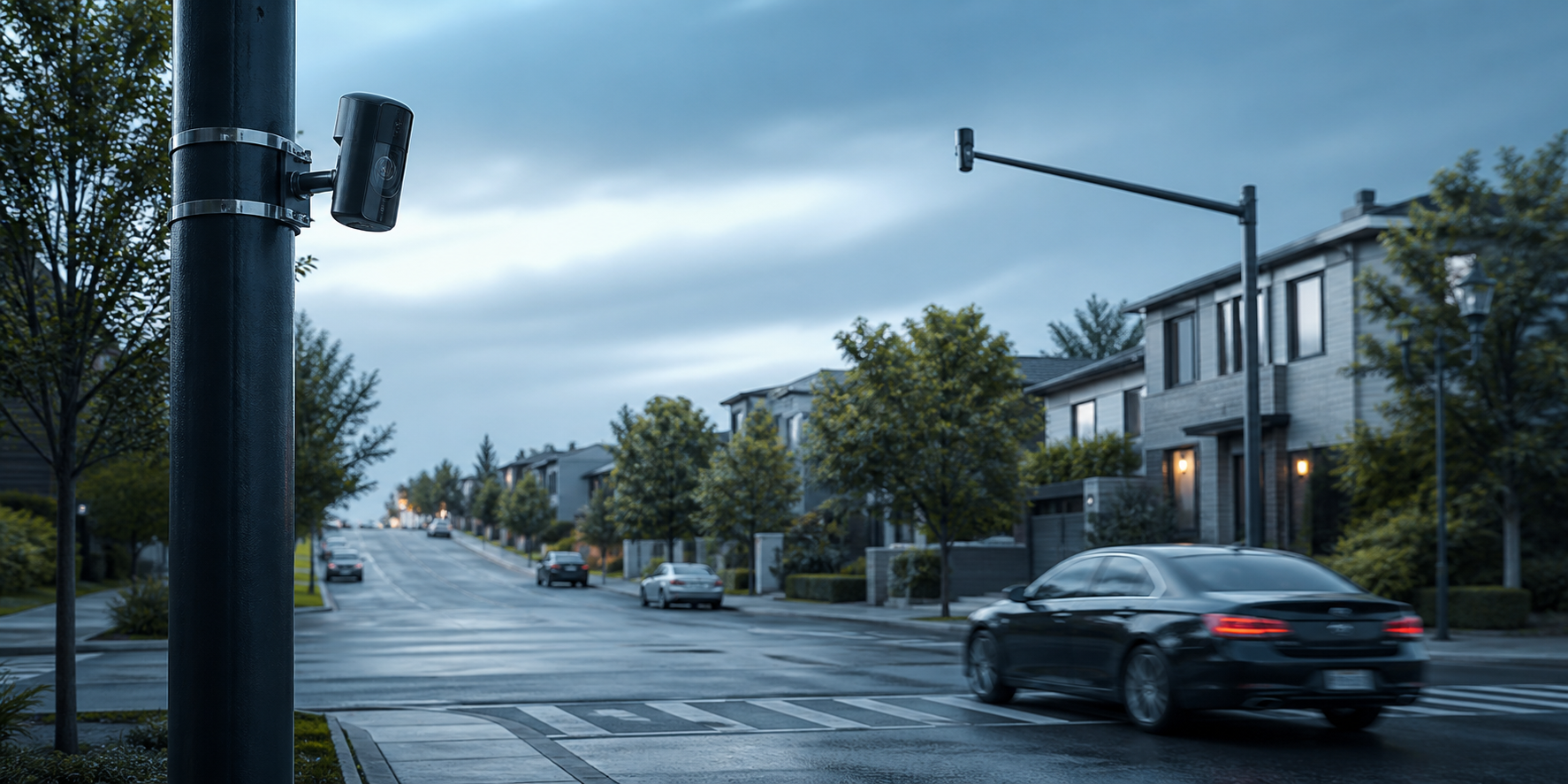
Flock Safety, an Atlanta-based company, is rapidly deploying its solar-powered, AI-enabled camera systems across the United States. These Flock cameras automatically scan and record the license plates of vehicles passing within their range, storing detailed records that can be accessed by property owners and law enforcement partners.
The popularity of Flock systems has soared, especially within gated communities, Homeowners Associations, and even small towns looking for a relatively affordable way to monitor traffic and deter crime. According to Flock Safety, their cameras are now in thousands of neighborhoods and hundreds of cities across the country.
- Every Flock camera typically logs the license plate, color, make, and direction of each passing vehicle.
- Users can quickly query the footage to track vehicles involved in crimes or suspicious activity.
- Due to the networked nature of the service, law enforcement can often search footage from multiple communities at once.
This expansion has not gone unnoticed: the rise of "Have I Been Flocked"—a tool that lets residents see if their license plate has been captured—shows growing public curiosity and concern about the scope of these surveillance networks.
Why This Matters
The rollout of Flock cameras marks a significant shift in public surveillance capabilities, particularly because it puts advanced monitoring technology directly into the hands of ordinary residents and private organizations. This blurs the line between private security and public law enforcement, raising difficult questions about oversight, accountability, and consent.
On the one hand, advocates argue that these cameras deter crime, help recover stolen vehicles, and offer peace of mind in communities seeking additional security. On the other hand, critics point to the potential for misuse, lack of regulation, and the chilling effect on personal privacy. The ability to track any car at any time poses clear risks, especially if data is mishandled or falls into the wrong hands.
Different Perspectives
The Safety-First View
Supporters—often HOAs, neighborhood groups, and some police departments—see Flock cameras as valuable tools for preventing crime. They believe these systems are modern neighborhood watches, helping to quickly identify suspects, recover stolen property, and provide evidence for investigations.
The Civil Liberties Perspective
Privacy advocates and civil rights groups warn that widespread vehicle tracking represents a form of mass surveillance. They argue that Flock cameras create a permanent record of people’s movements, often with little oversight, and can disproportionately affect marginalized groups or those who value anonymity.
The Technological Optimist
Some technologists argue that—with the right safeguards—Flock cameras can be part of a balanced approach to urban safety. They point to features like data retention limits, transparency reports, and opt-out mechanisms as ways to mitigate risks while still leveraging AI for public good.