
Introduction
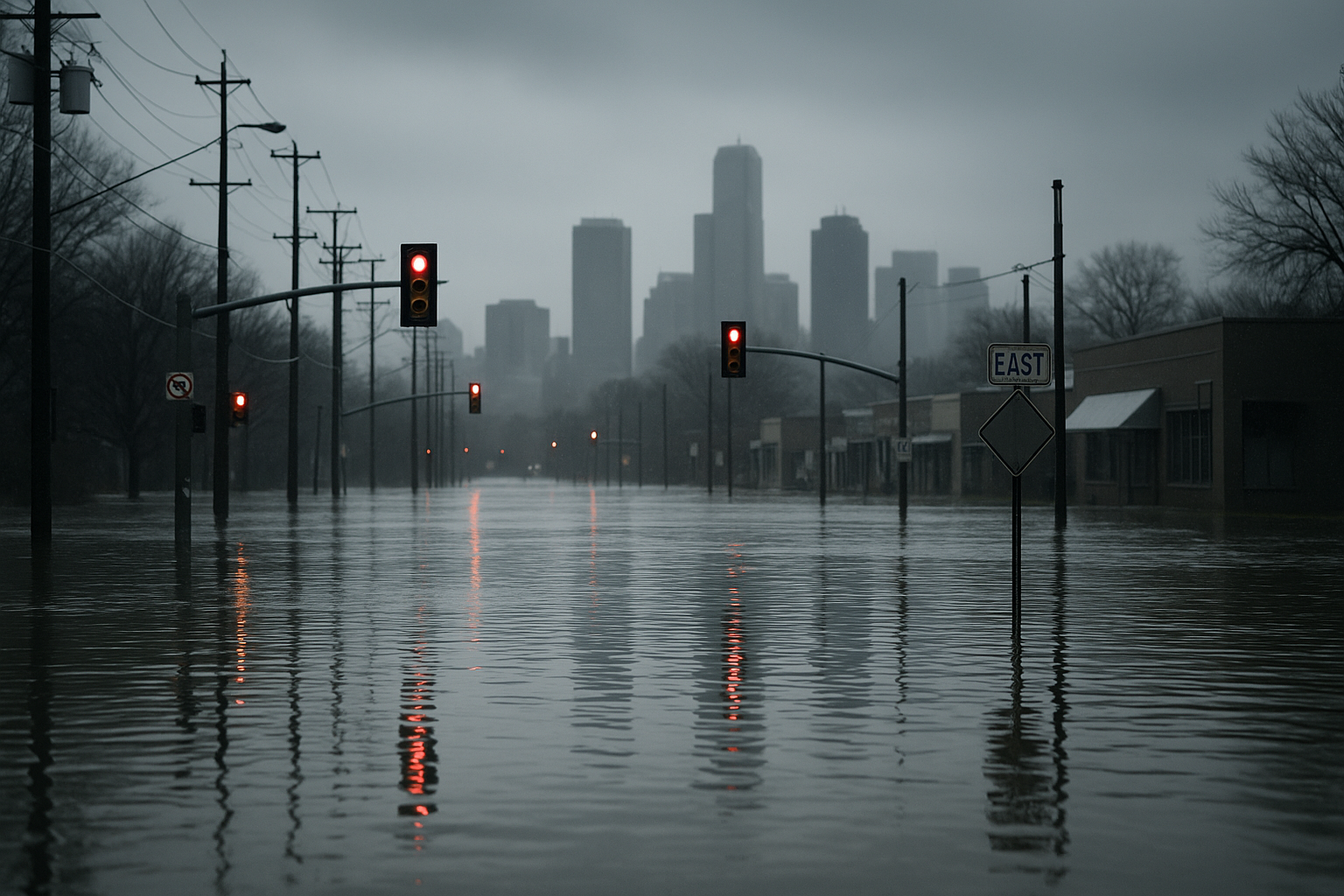
The phrase "flood watch" has been popping up more frequently across news headlines lately, often accompanied by warnings about severe thunderstorms. For many, these alerts sound routine—maybe even ignorable. But the reality is that a flood watch can mark the start of a dramatic and unpredictable chain of events that affects lives, property, and communities.
I find this topic especially important right now because climate shifts have amplified the frequency and intensity of sudden storms. More and more regions that once viewed floods as rare events are now becoming familiar with flash flood watches and related weather hazards. Understanding what a flood watch truly signifies—and how it connects to other warnings like severe thunderstorm watches—is critical for safety and informed decision-making.
What's Happening
A flood watch is issued when conditions are favorable for flooding in an area, but flooding is not yet occurring. Severe weather, like thunderstorms, heavy rain, or rapid snowmelt, may trigger a watch. In recent days, meteorologists have flagged several regions under both flood watch and severe thunderstorm watch, highlighting heightened risk.
- A flood watch is not a guarantee that flooding will occur, but it signals increased likelihood and urges preparedness.
- Severe thunderstorm watches are often related—these storms can drop massive amounts of rain in a short time, overwhelming drainage systems.
- Local governments may activate emergency management agencies and update sandbagging protocols during a watch period.
- Residents are encouraged to stay informed, review evacuation routes, and gather essential supplies when a watch is announced.
The progression often goes: watch → warning → emergency. A flood warning means flooding is imminent or happening, while a watch emphasizes potential and the need for vigilance. The National Weather Service and other agencies regularly update communities as conditions evolve.
News headlines referencing both flood and severe thunderstorm watches indicate a confluence of weather hazards—something becoming more common with atmospheric instability and shifts in rainfall patterns.
Why This Matters
Flood watches are more than just weather updates—they are life-affecting alerts that empower people with time to prepare. Ignoring these warnings can have severe consequences, as fast-rising floodwaters can imperil even the most routine activities like commuting or running errands.
The economic impact is also significant. Flooding damages infrastructure, disrupts businesses, and strains emergency response systems. Vulnerable populations—such as the elderly, those without transportation, or lower-income communities—often face higher risks and slower recoveries.
With severe thunderstorms increasingly triggering flood watches, there’s a growing need for proactive planning and public awareness. Recognizing the interconnectedness of meteorological events helps communities respond more effectively.
Different Perspectives
Emergency Management Officials
Emergency managers see flood watches as crucial early warnings. For them, activating response protocols and ensuring swift public communication can save lives and minimize property loss.



