
Introduction
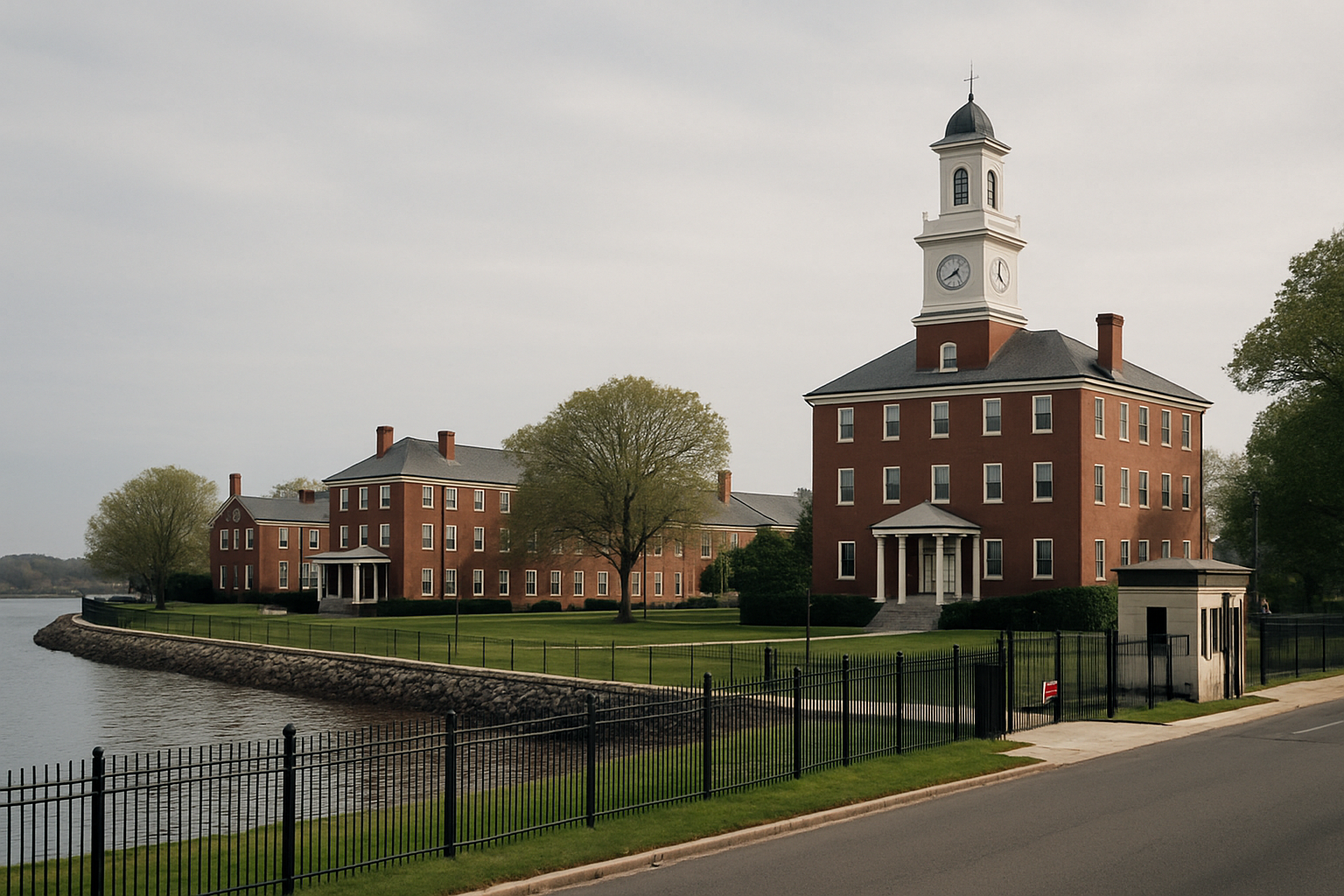
Fort McNair, a cornerstone of Washington D.C.'s military landscape, has recently emerged in the news for more than just its storied past. As global tensions and domestic challenges collide, places like Fort McNair become focal points for discussions around national security and historical identity.
I find this fascinating because Fort McNair is not just a military installation—it's a living intersection of history, politics, and changing societal values. With mounting attention on security risks and strategic defense, what happens at Fort McNair often reverberates far beyond its gates.
What's Happening
Fort Lesley J. McNair, often simply called Fort McNair, is one of the U.S. Army's oldest continually operated posts. Over the past few years—and especially in recent months—this installation has made headlines for several reasons:
- Security Concerns: In early 2024, there were publicized security alerts about drone overflights and even references to potential foreign surveillance, heightening apprehensions about the base’s vulnerability.
- Diplomatic Tensions: Reports surfaced alleging interest from foreign intelligence entities in the fort, owing to its proximity to key government institutions and notable residents like military leaders.
- Historic Role: Fort McNair is home to the National Defense University and played a significant role in the aftermath of President Lincoln’s assassination, serving as the site of the conspirators’ trial and execution.
- Expansion and Modernization: Recently, there have been plans and debates about updating the fort’s infrastructure to accommodate evolving military missions and address community concerns.
With its location nestled along the Potomac River and within view of the Capitol, the fort's developments naturally attract both local and international interest.
Why This Matters
Fort McNair symbolizes a crossroads of history and modern national security. Heightened security alerts underscore contemporary threats—such as cyber-attacks or drone surveillance—that go beyond traditional military concerns.
The ongoing relevance of Fort McNair also impacts the surrounding Washington, D.C. community. Base upgrades, increased security measures, or tense diplomatic exchanges can affect everything from city traffic patterns to local political discourse.
Understanding what’s happening here isn’t just about military news. It speaks to how the U.S. is adapting to emerging challenges and how military-civil coexistence continues to evolve in urban environments.
Different Perspectives
National Security Advocates
From this viewpoint, increased protection and surveillance at Fort McNair are non-negotiable. Advocates argue that the fort’s leadership and the federal government can’t take any chances given the installation’s strategic importance and potential as a target in an age of unconventional warfare.



