
Introduction
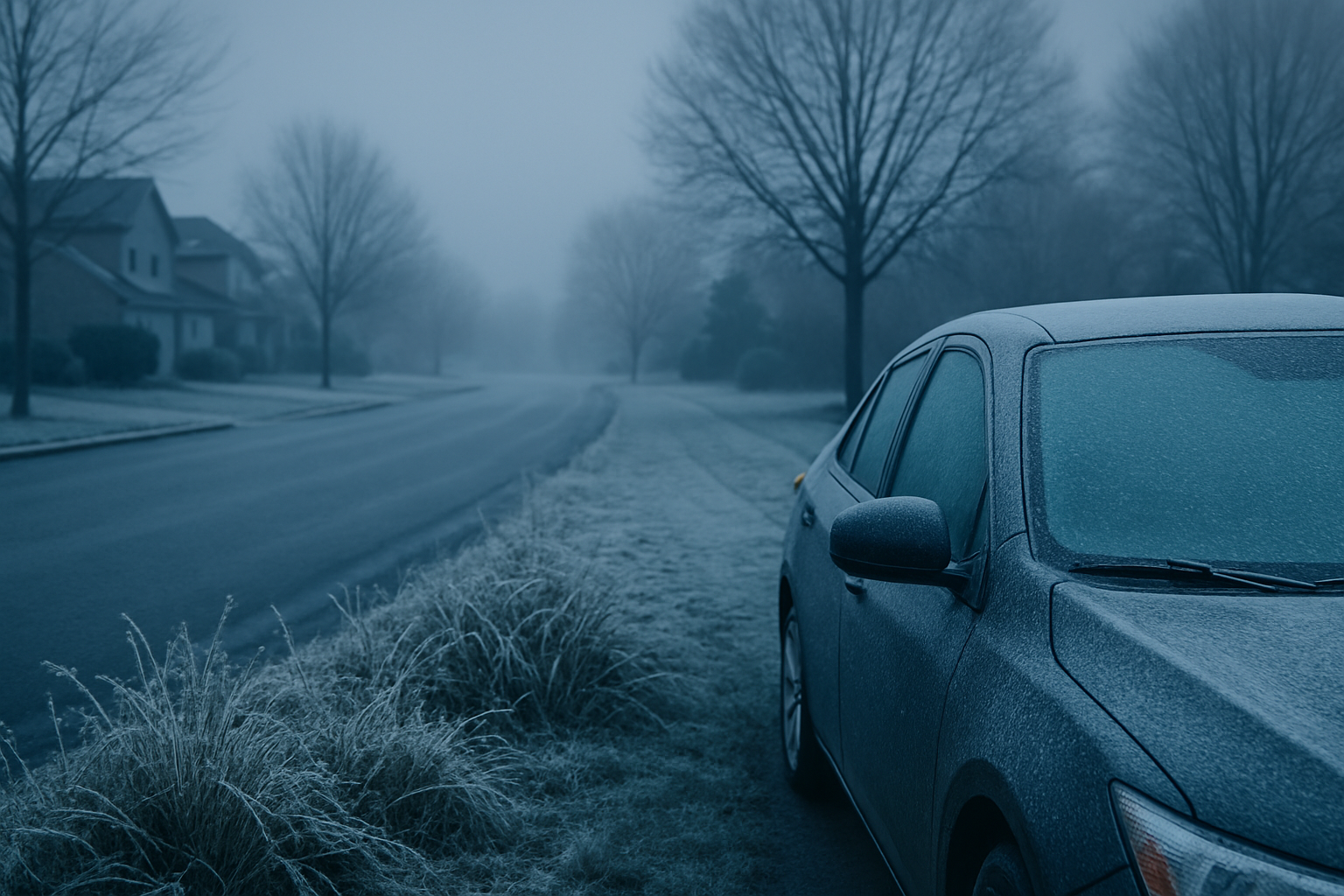
Sudden shifts in temperature can catch anyone off guard, but few warnings grab our attention quite like a freeze warning. This phrase has been popping up across headlines and weather apps with increasing frequency, marking a concerning trend in unpredictable weather patterns. It’s not just about cold toes and frosty windshields—these warnings signal real risks for communities, crops, and infrastructure.
I find this topic fascinating because freeze warnings are both routine and disruptive. They reveal how closely our day-to-day lives are tied to the nuances of the atmosphere—and how a simple cold snap can ripple through food systems, energy grids, and local economies. Why does a freeze matter so much, especially now? Let’s dig deeper.
What's Happening
Across the United States and beyond, freeze warnings are being issued in regions that typically expect milder springs and falls. A freeze warning is declared when temperatures are forecasted to drop below freezing (32°F/0°C) for an extended period, threatening plants, crops, and sometimes exposed plumbing or infrastructure. The most recent spike in freeze warnings has coincided with unseasonably cold fronts moving into the Midwest, Southeast, and parts of Europe.
Here are the key details behind these advisories:
- Definition: A freeze warning is typically issued by weather agencies when temperatures are expected to remain below freezing for several hours, often overnight.
- Timing: These warnings usually come in early spring or late fall—periods when new plant growth is most vulnerable.
- Causes: Freeze events can result from sudden high-pressure systems, shifts in the jet stream, or unexpected polar air masses moving south.
- Recent trends: In 2024, regions as far south as Georgia and parts of Texas received late freeze warnings, extending well beyond their usual date ranges.
Emergency management officials urge precautions such as covering outdoor plants, draining garden hoses, and protecting pets. For farmers and gardeners, a single night below freezing can spell disaster for young crops. School closures and energy usage spikes have also followed surprise freezes.
Why This Matters
Freeze warnings may sound routine, but their impact runs deep. When temperatures drop suddenly, the effects cascade across many layers of society. Agriculture is especially vulnerable—unprotected crops can be wiped out in hours, adding to food supply strains and economic losses for local farmers. For individuals, unexpected freezes can cause burst pipes, car trouble, and energy grid stress, especially for communities unaccustomed to cold weather.
Moreover, the increasing unpredictability of freeze events raises questions about climate variability and how we adapt. Are communities prepared for out-of-season cold snaps? What does this mean for food security, insurance, and local economies?
Different Perspectives
Farmers and Gardeners
For many in agriculture, freeze warnings mean anxiety and urgency. Their perspective centers on mitigating loss, often requiring costly protective measures. Some point to trends of more erratic weather as a major challenge in planning and sustaining crops.



