Introduction
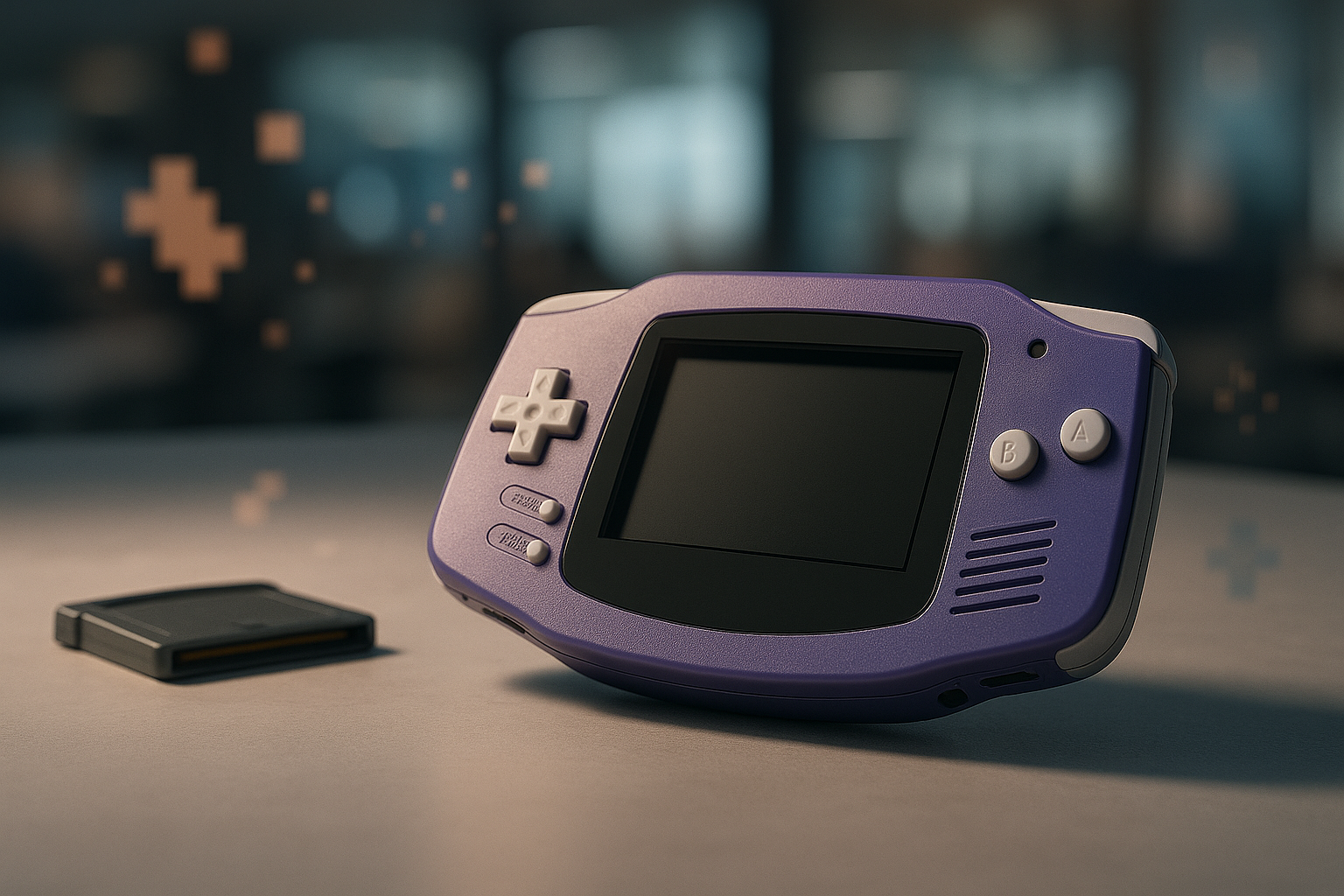
The Game Boy Advance (GBA) is suddenly everywhere again—from viral posts about rare cartridges to new mods lighting up social media. Decades after its 2001 launch, why does this iconic handheld console refuse to fade into obscurity?
In an era of cutting-edge graphics and cloud gaming, the GBA stands out as a beacon of nostalgia and timeless game design. I find this fascinating because it shows how old technology can spark new passion—and open conversations about creativity, community, and digital preservation.
What's Happening
The Game Boy Advance, Nintendo’s 32-bit portable successor to the Game Boy Color, was a sensation when it debuted. With over 80 million units sold worldwide and a legendary game library, it left an indelible mark on gaming history.
- Recent GBA trend: A surge in online interest, with hashtags like #GBA and #GameBoyAdvance trending, driven by nostalgia, collectibles, and retro gaming influencers.
- Hardware mods: Fans are modding GBAs with new IPS displays, rechargeable batteries, and custom shells, making classic games more accessible than ever.
- Game library rediscovery: Titles like “Pokémon Emerald,” “The Legend of Zelda: The Minish Cap,” and “Metroid Fusion” are drawing new fans through streams and reviews.
- Emulation and digital preservation: The rise of emulators and ROM hacks enables broader access, though it raises questions about legality and ethics.
Major retro game marketplaces report sharp increases in GBA cartridge prices. Developers and publishers have also responded—releasing compilations of GBA classics for the Nintendo Switch and other platforms.
Social media has amplified conversations about rare finds and personal stories—a testament to the GBA’s enduring status in pop culture.
Why This Matters
The Game Boy Advance revival isn’t just about nostalgia. It reveals broader trends in how we value, preserve, and revisit digital experiences. For millions, the GBA represents the joy of discovery and play without online connectivity or microtransactions—something increasingly rare today.
This resurgence also affects collectors, gamers, and creators. Original hardware is becoming more valuable, info on game preservation is spreading, and homebrew development is fueling renewed excitement. The GBA's accessibility lets new generations explore a golden age of portable gaming.
On a bigger scale, this movement highlights our collective desire to reconnect with what made games magical in the first place—and to question what we might have lost in the pursuit of relentless modernization.
Different Perspectives
Retro Enthusiasts
Many collectors and longtime fans see the GBA as a peak in portable gaming—celebrating its pixel art, chiptune soundtracks, and tactile buttons as irreplaceable joys. For them, tracking down original cartridges and hardware mods is deeply rewarding.