
Introduction
When an iconic fashion designer like Victoria Beckham joins forces with a classic American brand like Gap, it sparks immediate curiosity—and buzz. In a world where celebrity and mass retail increasingly intersect, this partnership is making headlines for both its unexpectedness and potential impact.
The news comes at a pivotal moment in retail and celebrity branding. Gap, long celebrated for its accessible basics, and Victoria Beckham, renowned for her sophisticated, high-end designs, appear at first to occupy different ends of the fashion world. But their collaboration might signal a new era for both parties—and for the way we think about fashion crossovers.
What's Happening
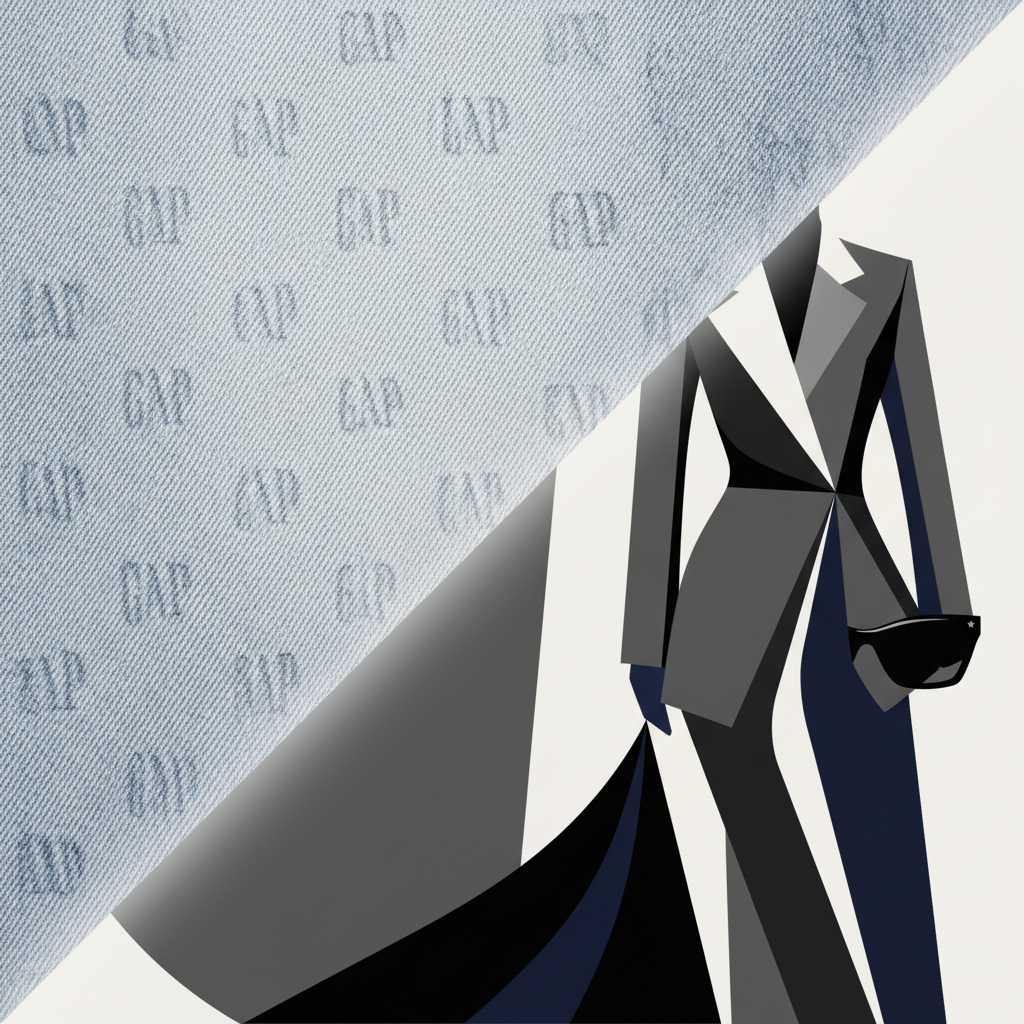
In June 2024, Gap announced an exclusive partnership with Victoria Beckham, aiming to inject fresh creative energy into its product lines. The collaboration will encompass a capsule collection designed by Beckham, drawing inspiration from her own eponymous label but made accessible to Gap’s wide-ranging customer base.
- Capsule Collection Launch: The first pieces—featuring a mix of signature Beckham style (think tailored silhouettes, minimalist palettes) and Gap’s ‘90s-inspired classics—are set to drop later this summer.
- Strategic Partnership: The initiative is described as a way for Gap to “reimagine modern American style” by tapping Beckham’s global influence and design vision.
- Press Reception and Buzz: Early previews and social media teasers have triggered debates in both fashion and business circles, with some hailing it as a bold play and others questioning the fit.
- Business Context: This comes as Gap seeks to regain relevance and Beckham looks to reach new, cost-conscious audiences after recent challenges in the luxury sector.
In an official statement, Victoria Beckham said,
"I have always loved Gap for its optimism and versatility, and I’m thrilled to bring my vision to a broader audience."
Why This Matters
This partnership is more than a marketing move; it could reshape perceptions for both brands. Gap, once the uniform of mainstream America, has faced declining sales and criticism for a lack of innovation. A designer collaboration offers a chance to regain cultural relevance and attract a younger demographic.
For Victoria Beckham, the venture is a strategic shift. The luxury market has become increasingly competitive, and economic pressures have changed how consumers invest in fashion. By aligning with Gap, Beckham can reach new markets while keeping her brand in the headlines.
The collaboration also mirrors a wider industry trend: the democratization of designer fashion. As exclusivity fades in favor of accessibility, such partnerships blur the lines between high and low, redefining what “aspirational” means to modern shoppers.
Different Perspectives
Fashion Industry Optimists
Many industry insiders and fashion fans see this as a win-win. They argue that Beckham’s design sensibility could elevate Gap, much as other high-fashion collaborations (think H&M x Balmain) have energized mainstream retailers in the past.



