
Introduction
Every year, Good Friday arrives with a reflective pause—whether you observe it religiously, culturally, or simply notice its presence on the calendar. In 2026, Good Friday falls on April 3rd, inviting millions to consider its deep historical roots and living relevance. I find this day particularly intriguing, not just for its religious significance, but for how it resonates across cultures, generations, and even digital spaces like this one.
The question surfaces repeatedly: Why do we call it "Good" Friday, given its somber origins? As headlines once again highlight fasting rules, church services, and the story behind the name, I’m drawn to how these traditions adapt and endure in our rapidly evolving world. Together, let’s explore what makes Good Friday 2026 uniquely meaningful and how its observance sparks dialogues both ancient and new.
What's Happening
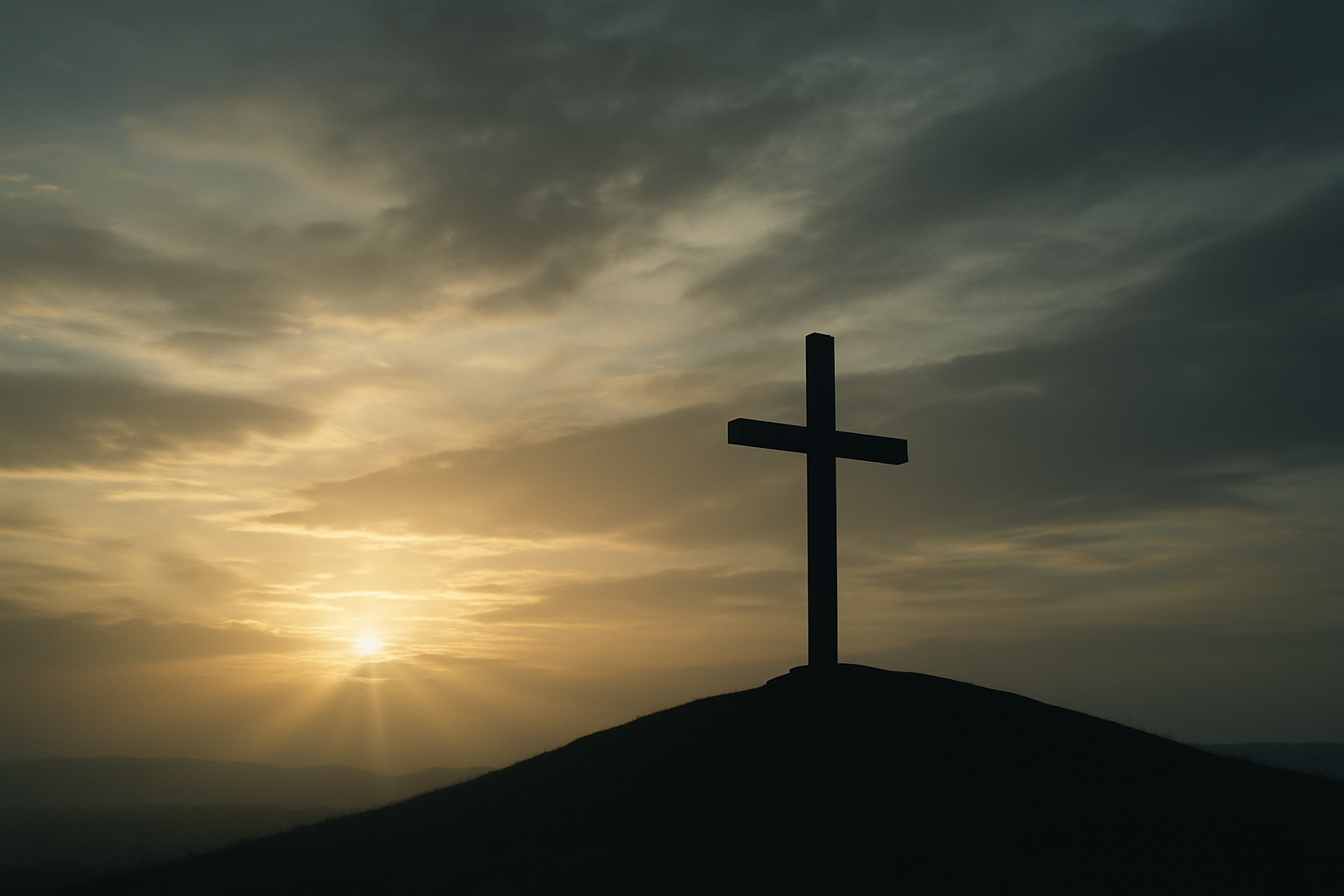
In 2026, Good Friday will be observed on April 3rd, two days before Easter Sunday. This day commemorates the crucifixion of Jesus Christ, an event at the heart of Christian belief. Around the globe, Christians and many others mark the day with rituals, reflection, and, for some, public holidays.
- Meaning of the Day: Good Friday marks the suffering and death of Jesus, seen by Christians as a sacrifice for humanity’s redemption.
- Date Calculation: Good Friday falls on the Friday before Easter, which is determined according to the lunar-based ecclesiastical calendar.
- Fasting and Traditions: Many observe fasting or abstinence from meat, attend special church services, and participate in acts of charity.
- Why “Good” Friday? Despite its solemn events, the term "Good" reflects the spiritual good believed to result from Jesus's sacrifice.
In 2026, Catholic and other Christian communities will gather for liturgical celebrations. There will be veneration of the cross, special prayers, and often reenactments or meditations on the Passion narrative. Media outlets are likely to revisit classic questions—what fasting means today, why the day matters, and how its meaning continues to evolve.
Meanwhile, workplaces and schools in several countries will close, while digital conversations trend around the day’s history and cultural significance. Even those outside Christian traditions may pause to reflect due to the widespread social impact of the holiday.
Why This Matters
Good Friday is not just a mark on the religious calendar—it influences broader society. From public holidays to food customs, this day touches millions regardless of faith identity. In an era where tradition and modernity often collide, how we remember and reinterpret Good Friday speaks to cultural continuity and change.
The observance encourages questions of meaning, sacrifice, and shared values. For some, fasting is a spiritual discipline; for others, it’s a moment to reconnect with family or community. Businesses, governments, and schools adjust schedules, reminding us how religious history shapes even today’s secular rhythms.
In 2026, the day could be especially poignant, arriving in a world still grappling with post-pandemic realities, digital transformation, and debates around the place of faith in public life.



