
Introduction
Gout—a word often associated with old paintings or textbooks—has landed back in today’s headlines. Suddenly, searches for "gout gout" are spiking, leaving many people asking: why is this ancient condition making news now? As someone who’s always monitoring emerging health trends, I see a convergence of factors making gout more relevant than ever.
Despite technological and medical advances, modern lifestyles seem to be fueling a resurgence of gout worldwide. From rapid dietary changes to shifting demographics, the story of gout isn’t as straightforward as it once seemed. I find this fascinating because it’s a clear intersection of history, science, and social behavior—plus, it impacts real lives day after day.
What's Happening
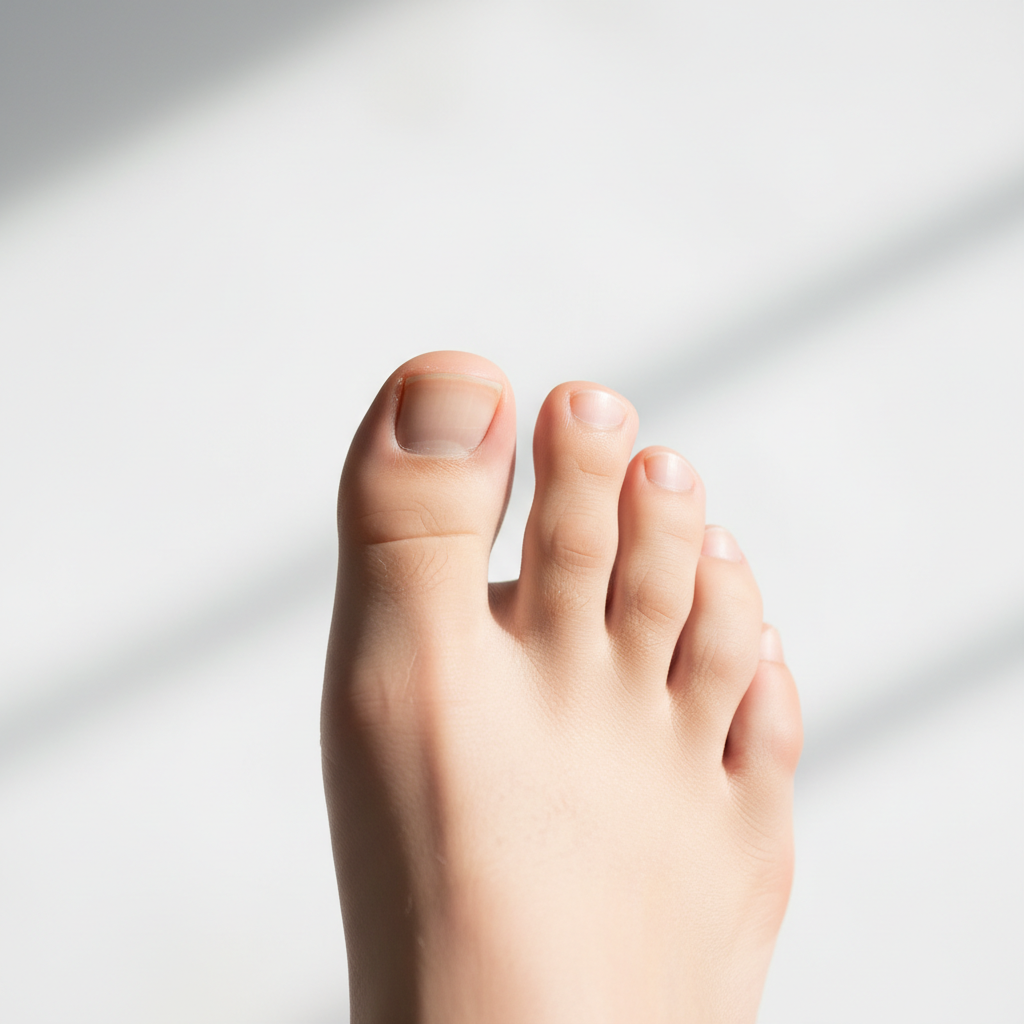
Gout is a type of arthritis that occurs when uric acid crystals build up in the joints, causing intense pain, swelling, and redness—often in the big toe. While it was once thought of as a “disease of kings” due to its association with rich diets, it’s affecting a growing and diverse array of people today.
- Rising Incidence: Recent studies reveal that gout cases are climbing in both Western and developing countries. The Global Burden of Disease study estimated nearly 41 million people worldwide suffer from gout.
- Diet and Lifestyle: Diets high in red meat, seafood, sugary drinks, and alcohol increase uric acid production, raising the risk of gout. Sedentary lifestyles also play a role.
- Related Health Issues: Gout is strongly linked to other chronic conditions like obesity, diabetes, kidney disease, and hypertension.
- Treatment Advances: While medications like allopurinol can control uric acid, not everyone has access to effective care and prevention guidance.
What strikes me about this surge is not just its frequency, but how interconnected gout is with broader modern health challenges.
Why This Matters
Gout isn’t just a minor medical inconvenience; it deeply affects quality of life. Flare-ups can be debilitating, making it hard for people to walk, work, or even sleep. For many, repeated attacks can lead to joint damage or chronic arthritis.
The resurgent trend matters for healthcare systems too. Gout-related doctor visits, medication costs, and complications place strain on resources, especially as populations age and lifestyles change. Socially, there’s still stigma—since it’s so linked to diet, people with gout may face blame or misunderstanding, which adds an emotional burden.
Ultimately, rising gout cases signal bigger shifts in public health—and prompt a closer look at how “modern” habits can bring new (or old) health struggles.
Different Perspectives
Medical Community
Physicians and researchers emphasize prevention—advocating for healthy diets, exercise, and weight management alongside medication. They’re concerned about underdiagnosis and gaps in patient education, especially in lower-income communities.



