
Introduction
It’s not unusual to see social media filled with messages like "Happy Resurrection Day!" each spring. But what’s behind this greeting, and why is it trending now? As millions across the globe celebrate, some use "Easter" while others prefer "Resurrection Day." This seemingly small linguistic shift carries deep significance and reflects evolving cultural and religious conversations worldwide.
I find this topic fascinating—for both its spiritual meaning and its modern social dimensions. With shifts in how faith is talked about publicly, "Happy Resurrection Day" highlights intersections of tradition, language, and identity. Let’s illuminate why this phrase matters beyond the calendar date.
What's Happening
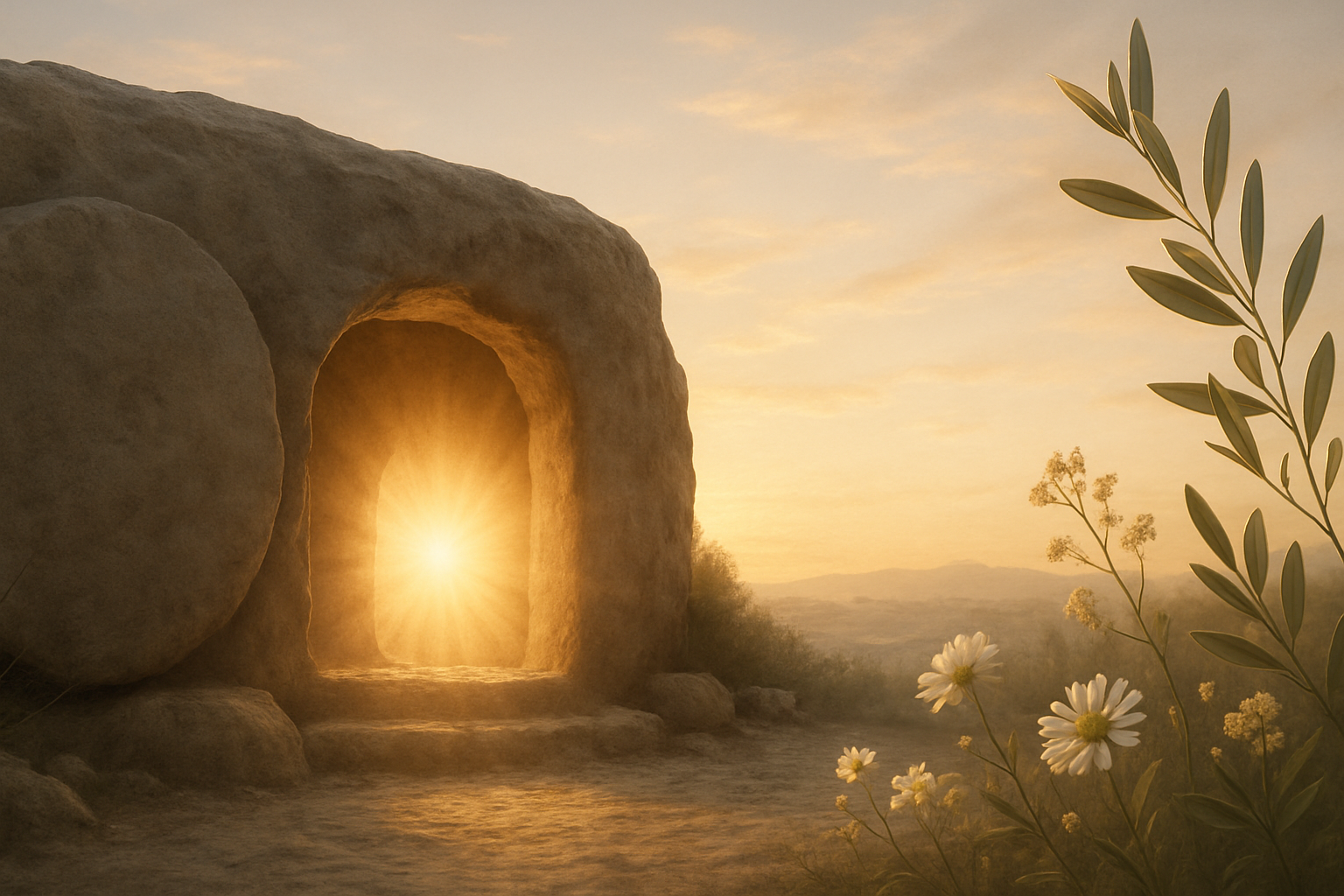
"Happy Resurrection Day" is a greeting used by many Christians to commemorate the resurrection of Jesus Christ, a cornerstone event in Christian belief, celebrated annually (often in conjunction with or instead of "Easter"). Its rise in use, especially online, reflects efforts by some communities to emphasize the original religious meaning of the holiday over secular or commercial associations.
- Resurrection Day refers explicitly to Jesus’s return to life, as described in Christian scripture.
- "Easter" is the more commonly used term in English-speaking cultures but has roots in older, non-Christian traditions and folklore (like the Easter bunny and eggs).
- Many faith leaders and laypeople advocate for saying "Resurrection Day" to recenter the celebration on Christ’s resurrection rather than cultural symbols.
- Social media hashtags and posts sharing "Happy Resurrection Day" have spiked each year, often sparking conversations about faith, language, and inclusivity.
The phrase tends to trend around the same time as Easter, leading to discussions about what it means to celebrate, how to do so respectfully, and whether terminological choices can bring people closer to—or further from—the holiday’s intended message.
Why This Matters
This trend isn’t just about semantics—it reflects deeper shifts in how religious identity is expressed. For some, insisting on "Happy Resurrection Day" instead of "Happy Easter" is a way to preserve the sacred, resisting what they perceive as the dilution or commercialization of their holy day.
Others see the holiday, whatever it's called, as an opportunity for family gatherings, reflection, and new beginnings. The tension between the sacred and the secular isn’t new, but it’s more visible than ever amid today’s instant, global communication.
Ultimately, this discussion impacts anyone engaging with faith, culture, or multicultural dialogue—highlighting how the words we choose can affirm or obscure deeper beliefs.
Different Perspectives
Christian Traditionalists
Many Christians argue that "Resurrection Day" more accurately expresses the spiritual focus of the holiday, keeping attention on Jesus's resurrection and its implications for Christian faith. They may feel that "Easter" is too closely tied to secularization or pagan roots.



