
Introduction
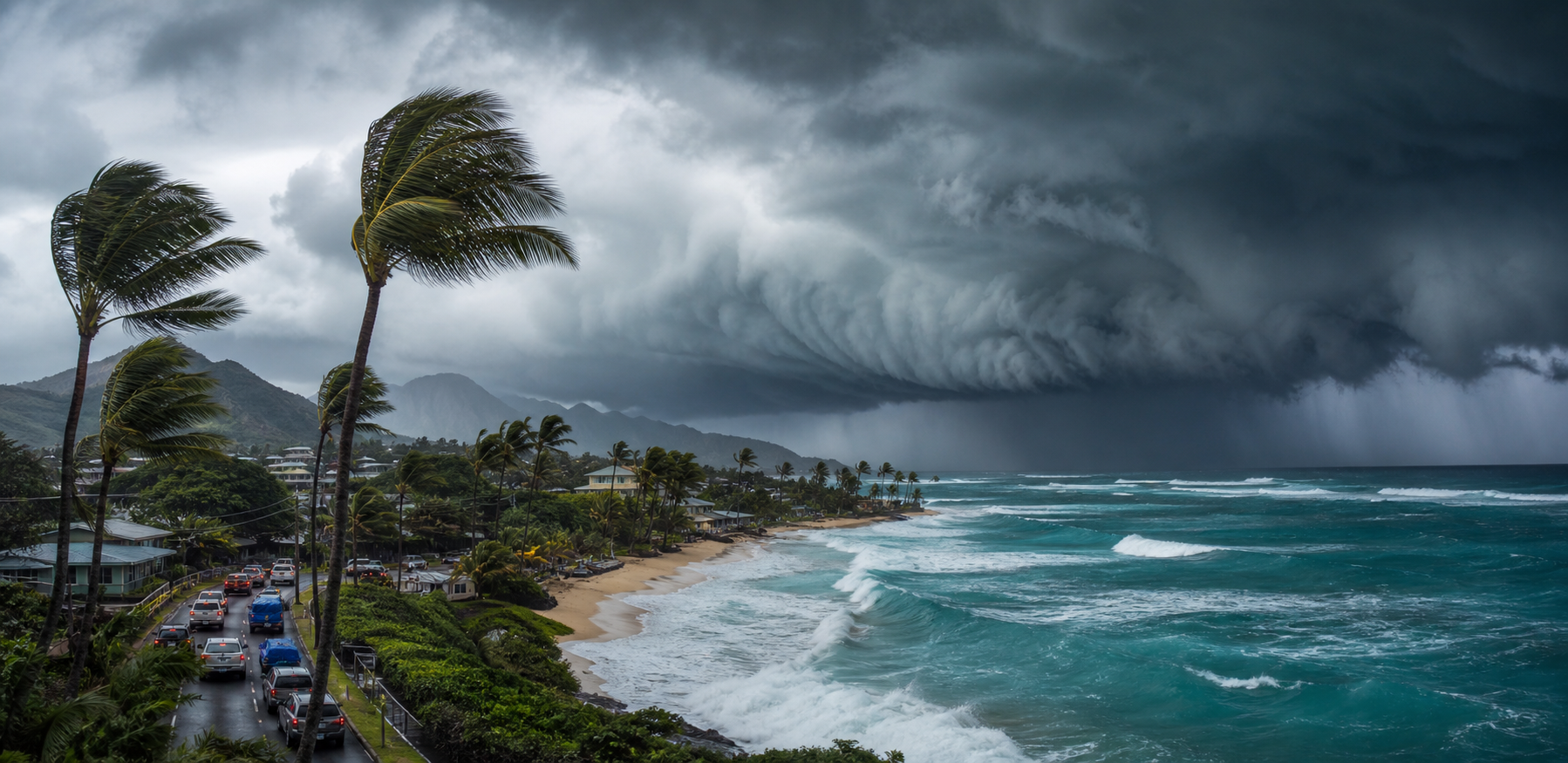
As Hurricane Lala approaches Hawaii, the world watches anxiously. These islands, cherished for their beauty and culture, now brace for potentially severe impacts. The combination of tropical storms and unique island geography makes hurricane threats in Hawaii both complex and urgent.
What strikes me about events like this is how quickly things can change—what feels like a distant storm can become a local crisis overnight. For Hawaii, every tropical weather system offers a new test of resilience, preparation, and the shifting realities of climate risk. This is a powerful reminder of the need for coordinated action and transparent information in times of uncertainty.
Key Takeaways
- Hurricane Lala is currently approaching Hawaii, bringing strong winds, heavy rainfall, and the risk of coastal flooding.
- Hawaii's unique geography and infrastructure make it both vulnerable to and prepared for tropical storms.
- Officials have activated emergency response measures, urging residents and visitors to stay updated and prepared.
- Climate scientists observe that Pacific storm patterns are changing, raising long-term concerns for the islands' future resilience.
What's Happening
Hurricane Lala, a major tropical weather system, is tracking toward Hawaii and has captured public attention both locally and internationally. As of the latest updates, Lala intensified from a tropical storm and is forecasted to potentially impact several islands within the coming days. The National Weather Service has issued watches and warnings for high winds, torrential rain, high surf, and possible flash flooding.
Hawaii’s emergency management agencies went into high gear, advising everyone to secure homes, prepare emergency kits, and review evacuation routes. With memories of past storms still fresh, there’s palpable concern about both property damage and disruptions to crucial services like power, water, and transportation.
What makes Hawaii’s situation unique is a mix of frequent tropical disturbances and relative isolation from mainland assistance during disasters. Logistic challenges can slow aid, especially if ports or airports are damaged. For tourism-dependent communities, even short-term disruptions cause significant economic ripples.
- Hurricane Lala formed from a low-pressure system near the Central Pacific and rapidly intensified.
- Projected impacts include winds exceeding 74 mph, storm surge, and dangerous surf along exposed coasts.
- Authorities emphasize staying updated through official channels and keeping emergency supplies for at least 72 hours.
- This storm’s path and timing are still uncertain, making ongoing monitoring essential for all in the region.
Why This Matters
For Hawaii, hurricanes like Lala represent real-world stress tests for community preparedness, infrastructure resilience, and emergency coordination. While the state has faced strong storms before, the increasing frequency and severity of extreme weather raise urgent questions about long-term adaptation.
Beyond immediate safety, hurricanes disrupt the daily lives of both residents and the millions who visit Hawaii each year. Power outages, road closures, and flooding can threaten livelihoods and set back recovery in already vulnerable areas. The growing influence of climate change makes these events more unpredictable—and potentially more destructive—in the years ahead.
Different Perspectives
Local Community and Residents
Many islanders view hurricane preparation as a way of life, drawing on local knowledge and strong community ties. There’s pride in collective resilience, but also weariness from the recurring threat and concern for vulnerable neighbors, such as the elderly and isolated.
Government and Emergency Responders
Officials focus on risk reduction, clear communication, and fast response. Some highlight upgrades in emergency planning and infrastructure, though budget limitations and logistical barriers remain ongoing challenges.
Climate Scientists and Environmentalists
Experts are increasingly vocal about the connection between warming oceans and changing storm behavior in the Pacific. They advocate for adaptation, land use reform, and long-term investment to help Hawaii weather stronger and more frequent storms.
Tourism and Business Sector
For this group, hurricanes mean lost revenue, insurance claims, and uncertain bookings. The tourism sector is especially sensitive to negative perceptions and emphasizes the need for robust crisis management to maintain visitor confidence.



