
Introduction
Every winter, heavy snow warnings flash across screens, signaling more than just cold weather—they mean disruption, risk, and resilience are being put to the test. Recently, a string of powerful snowstorms has swept through multiple regions, prompting urgent advisories from meteorologists and pushing communities to prepare for the unexpected.
This matters now more than ever. With climate uncertainty, supply chain vulnerabilities, and shifting population centers, the effects of a single "heavy snow warning" ripple far beyond the immediate weather event. As I survey the data and commentary, I’m compelled to dig deeper into how we interpret these warnings and what they reveal about the systems that surround us.
What's Happening
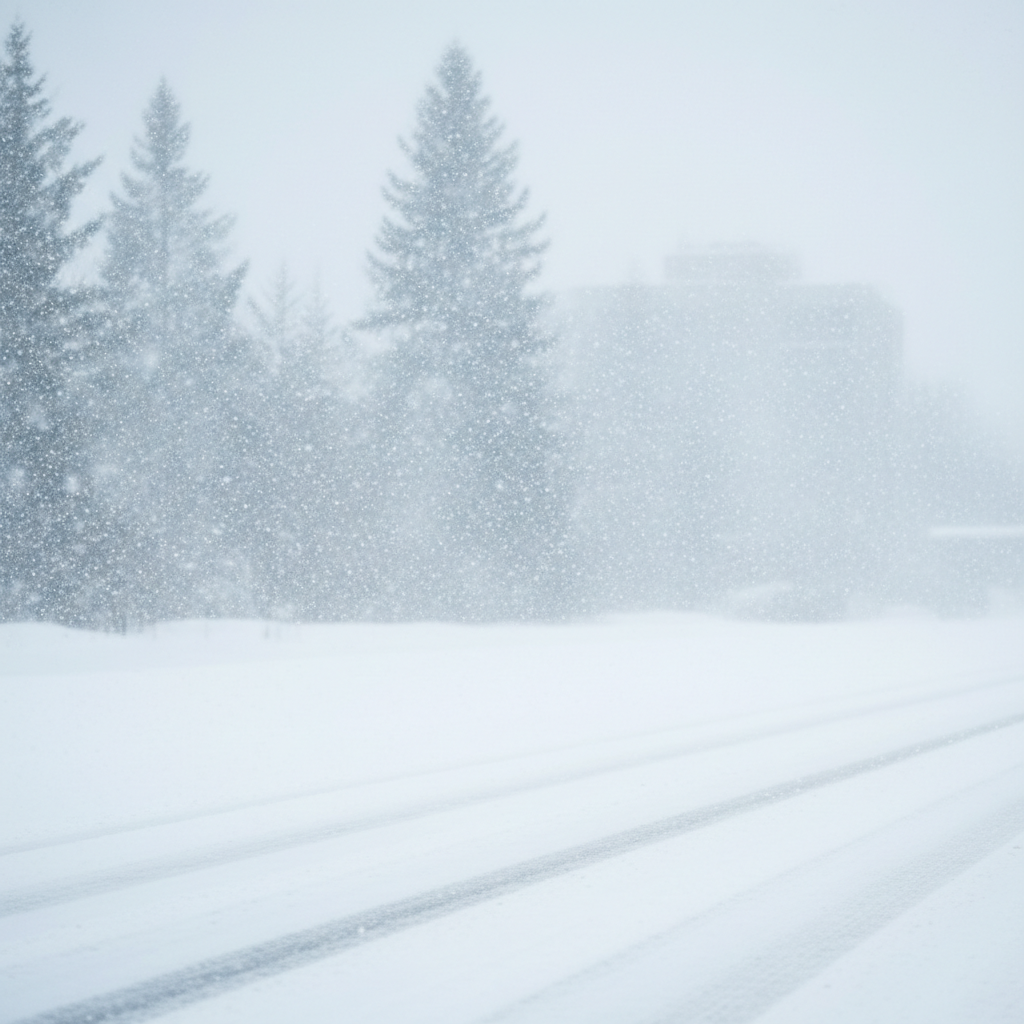
In the last week, weather services across North America and Europe have issued multiple heavy snow warnings. These advisories, often triggered by rapid accumulations exceeding local norms, serve as urgent calls for citizens to brace for severe conditions.
- Recent triggers: Fast-moving low-pressure systems colliding with cold fronts are driving snowfalls exceeding 12 inches (30 centimeters) in less than 24 hours in some locales.
- Regional impacts: Cities like Minneapolis, Montreal, and Munich are experiencing blizzard-like conditions. Road closures, flight cancellations, and supply delays are becoming routine headlines.
- Official advisories: Agencies such as the US National Weather Service (NWS) and Environment Canada recommend staying indoors, stocking essentials, and preparing for possible power outages.
- Broader context: Unusual snow events have been noted in regions typically less affected by winter storms, raising questions about weather pattern shifts.
Typically, a "heavy snow warning" is issued when snow accumulation is expected to create dangerous travel conditions, threaten infrastructure, or endanger vulnerable populations. These warnings are rooted in historical impact data, and yet each event carries its own unique risks.
Urban and rural communities alike are impacted, but those with limited resources often face the greatest challenges. Emergency crews, transit providers, and local governments coordinate responses, but sometimes the magnitude outpaces preparation.
Why This Matters
Heavy snow warnings go beyond meteorological interest—they directly affect millions of lives, with tangible implications for safety, economy, and community well-being. When these alerts are issued, they test systems at every level.
Schools close, supply chains stall, and local healthcare faces surges in weather-related incidents. For many, especially the elderly and those without reliable shelter, a severe snowstorm is a test of survival. Even public infrastructure, such as power grids and emergency services, can be stretched to their limits.
As climate models project more frequent extremes, the effectiveness of early warnings and the capacity to respond become critical benchmarks for resilience.
Different Perspectives
Public Safety Officials
Officials emphasize proactive preparation—urging communities to heed warnings, follow evacuation orders when necessary, and reduce unnecessary travel. Their primary concern is minimizing loss of life and property.



